There’s a particular quality to a summer evening that feels like a deep, satisfying sigh. The air is still warm, but the sun has dipped below the horizon, painting the sky in hues of apricot and lavender. The frantic energy of the day begins to settle, and in its place, a gentle hum of life remains—the chirping of crickets, the distant laughter of neighbors, the scent of jasmine on the breeze. In our modern world, summer often feels like a sprint—a race to pack in vacations, barbecues, and outdoor activities before the season slips away. But Traditional Chinese Medicine (TCM) offers a different invitation: to see summer not as a time to speed up, but as the ultimate season for summer slow living. It’s a time to align with the expansive, joyful energy of the season, but to do so with intention, savoring its long days and warm nights rather than burning through them. My grandmother, who grew up in a village in Fujian, always said summer was for yang sheng—nourishing life—through gentle rhythms, not grand gestures. This article is your guide to rediscovering that wisdom, with five simple TCM-inspired rituals to help you slow down, soak in the warmth, and truly savor the longest days of the year.
1. The Morning Sun Salutation: Not Yoga, But a Kitchen Ritual
Before the day’s heat fully settles, there’s a golden hour of gentle warmth that TCM practitioners cherish. This isn’t about a strenuous workout; it’s about greeting the day with a slow, nourishing ritual that sets a calm tone. My mother never started her summer day without a small bowl of lu dou tang (mung bean soup). In TCM, summer is governed by the Fire element, and its associated emotion is joy—but an excess of Fire can lead to restlessness, irritability, and heat signs like red eyes or a flushed face. Mung beans are considered a “cooling” food in TCM, perfect for clearing summer heat and gently detoxifying the body. Making this soup is a 20-minute meditation in itself.
Actionable Ritual: The 20-Minute Mung Bean Morning
- Upon waking, before any screens: Rinse 1/4 cup of dried mung beans in cool water.
- Place them in a small pot with 2 cups of water and a single, thin slice of fresh ginger (about the size of a quarter).
- Bring to a gentle boil, then reduce to a low simmer for 15-20 minutes, until the beans are just starting to split. The kitchen will fill with a clean, earthy scent.
- Optional: Add 3-4 dried red dates (hong zao) in the last 5 minutes for a touch of natural sweetness and to support Qi and blood.
- Sip slowly from a small bowl while sitting by a window, watching the morning light. Don’t drink it all at once; let it be a slow, cooling anchor to your morning.
This simple act does two things: it directly addresses summer heat in the body and creates a non-negotiable pocket of slowness. You’re not just consuming a food; you’re participating in a daily rhythm that says, “My day begins with calm nourishment, not chaos.”
2. The Midday Pause: Embracing the “Xiu Xi” Principle
In many traditional cultures, the hottest part of the day isn’t for pushing through—it’s for pausing. The Spanish have the siesta, but in TCM, the concept is woven into the fabric of daily life. My grandfather, a farmer, would always come in from the fields between 11 am and 1 pm, not just for lunch, but to truly rest. TCM associates the hours of 11 am-1 pm with the Heart meridian, the ruler of the Fire element. Overexerting during this time can strain the Heart Qi, leading to that familiar afternoon slump, anxiety, or heart palpitations. The goal isn’t necessarily a nap, but a conscious withdrawal of energy.
Actionable Ritual: The 20-Minute “Heart-Support” Pause
Schedule this as a non-negotiable meeting with yourself. It doesn’t have to be long. 20 minutes is a perfect target.
- Find a cool, quiet spot. If you can be in nature under a tree, even better. If not, a dim, cool room works.
- Practice “Square Breathing”: Inhale slowly through your nose for a count of 4, hold your breath for a count of 4, exhale slowly through your mouth for a count of 4, and hold the empty breath for a count of 4. Repeat for 5-10 cycles. This directly calms the nervous system.
- Sip a cooling herbal tea: Chrysanthemum (ju hua) tea is a classic choice. Steep 8-10 dried flowers in hot water for 5 minutes. It’s mildly bitter and cooling, perfect for clearing head and eye heat.
- Avoid screens, work, or intense conversation. This is a time for sensory rest. Let your mind wander or simply focus on your breath.
This ritual is a powerful counter to the “hustle culture” that peaks in summer. By consciously slowing down at midday, you’re not being lazy; you’re practicing strategic energy conservation that allows for more sustainable joy and productivity throughout the long evening.
3. The Evening Wind-Down: A Foot Soak for Grounding Fire Energy
Summer’s expansive, upward Fire energy can leave us feeling scattered, wired, and overheated at night, making it hard to sleep. A simple, profound TCM practice to counter this is a warm foot soak. The feet are considered the “second heart,” with numerous acupuncture points that connect to the entire body. Soaking them in warm water with herbs helps draw the excess heat and energy downward, promoting a sense of grounding and calm. My aunt would prepare this for us after long summer days playing outside, and the effect was almost magical—restless children would become sleepy and calm within 20 minutes.
Actionable Ritual: The 20-Minute Fire-Grounding Foot Soak
Do this 1-2 hours before bed, not right before, to allow your body temperature to regulate.
- Fill a basin with warm water—comfortably hot to the touch, but not scalding (around 100°F or 38°C).
- Add your herbs: For a classic summer blend, add a handful of fresh mint leaves (about 10-12) and 2-3 tablespoons of dried mugwort (ai ye). Mugwort is warming but has a remarkable ability to clear dampness and calm the spirit. Steep the herbs in the water for 5 minutes before putting your feet in.
- Soak for 15-20 minutes. The water should cover your ankles. You can gently massage the soles of your feet.
- Pat dry thoroughly, especially between the toes, and put on a pair of loose, breathable socks to keep the warmth in.
This ritual is a beautiful transition from the day’s activity to the night’s rest. It’s a physical signal to your body that the “doing” is done, and now it’s time for “being.” The mugwort adds a layer of traditional cleansing, believed to ward off negative energy and invite peaceful dreams.

4. The Nourishment Shift: Eating for the Season’s Qi
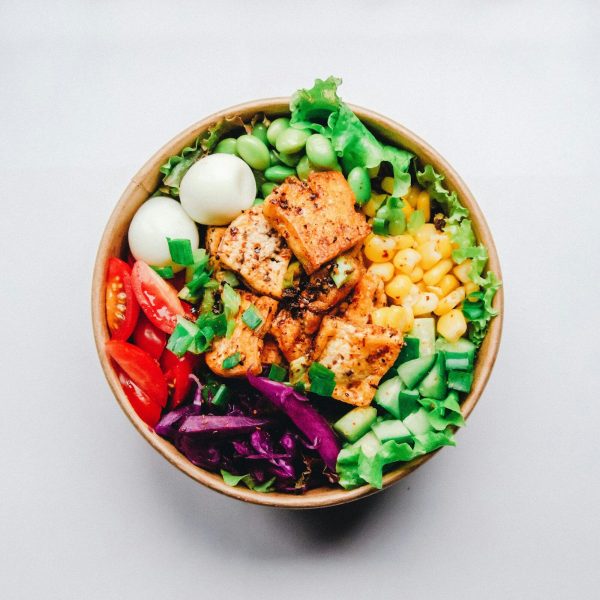
One of the most practical ways to practice summer slow living is by adjusting what and how you eat. TCM dietary therapy is elegantly simple: eat what grows in your environment during that season. Summer is the time for foods that are cooling, hydrating, and light. Heavy, greasy, or overly spicy foods create internal heat and dampness, making you feel sluggish and inflamed. The goal is to eat in a way that supports the body’s natural cooling mechanisms, not fight them.
“When the weather is hot, let your food be cool. When the sun is bright, let your plate be colorful. This is the simplest wisdom of the seasons.”
Here’s a simple guide to shifting your summer plate:
| Food Category | Summer Choices (Cooling & Light) | Why It Works in TCM |
|---|---|---|
| Vegetables | Cucumber, bitter melon, summer squash, watercress, celery, lettuce, daikon radish | High water content, clears heat, promotes urination to release dampness. |
| Fruits | Watermelon, pear, grapefruit, lychee (in moderation), plum, starfruit | Hydrating, sweet, and cooling. Watermelon is the “white tiger” of summer fruits in TCM for its powerful heat-clearing effect. |
| Proteins | Freshwater fish (like carp or bass), tofu, tempeh, small portions of chicken | Lighter proteins are easier to digest in the heat, preventing the formation of dampness. |
| Grains | Barley, mung beans, rice, wheat | Barley water is a classic TCM summer drink for cooling and draining dampness. |
| Herbs & Flavor | Fresh mint, cilantro, basil, chrysanthemum, honeysuckle, light soy sauce, vinegar | Adds flavor without internal heat. Mint and chrysanthemum are top-tier cooling herbs. |
Actionable Ritual: The “One Cooling Element” Rule
For every meal and snack, consciously include at least one item from the “Summer Choices” column above. Make a cooling cucumber and mint salad with lunch. Have a bowl of chilled pear soup for dessert. Snack on watermelon cubes. This simple rule ensures you’re constantly supporting your body’s balance without overhauling your entire diet. The act of choosing these foods is itself a mindful pause, a moment of connection with the season.
5. The Digital Dusk: Creating a “Yin” Transition
Summer’s long daylight hours are a gift, but they can also disrupt our natural circadian rhythms. The bright, active Yang energy of the day needs to transition into the quiet, receptive Yin energy of the night. One of the biggest obstacles to this transition is our constant exposure to screens and artificial light. The blue light from phones and laptops mimics daylight, telling our brains to stay alert and awake. To truly embrace summer slow living, we must consciously create a “digital dusk” a ritual that signals to our nervous system that the day’s Fire is dimming and the cool, restorative Water element (associated with the Kidneys and rest in TCM) is rising.
Actionable Ritual: The 90-Minute Digital Sunset
Starting 90 minutes before your target bedtime, begin this wind-down sequence.
- Hour 1 (60 mins before bed): Put all work-related devices away. Switch your phone to grayscale mode (a setting on most smartphones) to make it less stimulating. Dim all household lights by 50%. Switch to warm-toned lamps instead of overhead lights.
- Hour 2 (30 mins before bed): Engage in a non-screen activity. This could be reading a physical book, gentle stretching, listening to calm music or an audiobook, having a quiet conversation with a loved one, or preparing your herbal foot soak.
- The Final 30: Be in bed with only a low, warm light (like a Himalayan salt lamp). Practice a simple gratitude reflection: mentally name three specific moments of joy or peace from your day. This aligns with the Fire element’s emotion of joy, but in a gentle, reflective way.
This ritual creates a buffer zone between the stimulating world and the sanctuary of sleep. It’s a practical application of the Yin-Yang theory, actively cultivating Yin to balance the day’s Yang. The result is often deeper, more restorative sleep and a feeling of being truly rested upon waking, ready to enjoy the next long day.
Common Questions
I feel like I should be more active in summer. Isn’t slowing down lazy?
This is a very common concern. In TCM, efficiency is more important than sheer activity. Summer’s Yang energy is already very strong; adding excessive, exhausting activity on top of it is like trying to fan a bonfire. It leads to burnout, dehydration, and irritability. The goal of these rituals is not inactivity, but wise activity—moving with the season’s rhythm, not against it. A 20-minute mindful pause allows you to be more present and energized for the activities you truly enjoy, rather than running on fumes. It’s the difference between a steady, warm glow and a frantic, consuming flame.
Can I still drink iced coffee or cold drinks in summer?
From a TCM perspective, it’s best to be mindful. Extremely cold beverages, especially consumed in quantity, can shock the digestive system (the Spleen and Stomach in TCM), which prefers warmth to function optimally. This can impair digestion and create internal dampness, leading to bloating and fatigue. A better approach is to enjoy drinks at cool room temperature or lightly chilled. If you love iced coffee, try having just one a day, and follow it with a glass of warm water or a ginger tea to help your digestive fire recover. The cooling foods and teas recommended (like mung bean soup or chrysanthemum tea) are naturally cool in property, not necessarily in temperature, making them gentler on the system.
These rituals sound nice, but I have a packed schedule. How do I fit them in?
Start with just one. Choose the ritual that feels most accessible and appealing to you—perhaps the morning mung bean soup or the midday breathing pause. Commit to it for just one week. The key is consistency, not duration. Even a 10-minute version of the foot soak is beneficial. These rituals are designed to be woven into existing routines, not added as extra tasks. Making your mung bean soup can be part of your breakfast prep. Your midday pause can replace a scrolling break. The point is to reframe existing moments as opportunities for slowness, not to add more hours to your day. As my grandmother would say, “It is not the length of the rest, but the sincerity of the pause that nourishes the spirit.”
The bottom line: True summer slow living is not about doing nothing, but about doing everything with more presence and less rush. By adopting even one or two of these TCM-inspired rituals—greeting the day with a cooling soup, pausing at midday, grounding your energy with a foot soak, eating with the season, and creating a digital dusk—you actively align with summer’s expansive energy without getting burned by it. You trade the frantic race for a deep, satisfying sigh, savoring the long days as they were meant to be savored: with warmth, joy, and a profound sense of calm.
This article is for educational purposes and reflects traditional wellness perspectives. It is not a substitute for professional medical advice, diagnosis, or treatment.