When the first frost settles on the windowpane and the days grow short, something shifts deep within us. It’s more than just a change in temperature; it’s a quiet, primal pull inward. In Traditional Chinese Medicine (TCM), this isn’t a sign to fight or feel sluggish. It’s an invitation. Winter is the season of the Water element, and its organ system is the Kidneys—the very root of our vitality, the storehouse of our deepest energy, or Qi. My grandmother, who grew up in a small village in Shandong, always said winter was the time to “feed the roots, not the flowers.” While the rest of the year we tend to what’s visible—our energy, our activity—winter asks us to nourish the unseen foundation. This article is your guide to understanding and stoking your body’s inner hearth, the core fire of your Kidney Qi, so you can not only survive the cold but emerge in spring with renewed strength and clarity.
- The Kidneys: Your Body's Original Battery Pack
- Signs Your Inner Hearth Needs Tending
- Stoking the Fire: Warming Foods for Your Core
- Movement in the Cold: Gentle Fuels the Fire
- The Daily Ritual: Protecting Your Qi from Dawn to Dusk
- A Deeper Dive: Understanding Kidney Yin and Yang Imbalance
- Recommended Tools for Your Winter Practice
The Kidneys: Your Body’s Original Battery Pack
In Western anatomy, the kidneys are filtration organs. In TCM, they are so much more. They are considered the “Root of Life” (Ming Men, or the Gate of Vitality), the source of all Yin and Yang in the body. Think of them as your original battery pack, given to you at conception. This battery holds two critical substances: Kidney Yin (the coolant, the moisture, the deep nourishment) and Kidney Yang (the pilot light, the metabolic fire, the warmth and motivation). A healthy winter practice is all about protecting this battery from the cold and replenishing it through rest and specific nourishment.
The foundational text, the Huangdi Neijing (The Yellow Emperor’s Inner Classic), states in its chapter on the five seasons: “The three months of winter are called closing and storing. Water freezes and the earth cracks. Do not disturb the yang qi. Go to rest early and rise late. You must wait for the sun to shine.” This isn’t lazy advice; it’s a prescription for conservation. By aligning our habits with nature’s rhythm of storage, we prevent our core energy from being depleted by the harsh external cold.
“The Kidney is the powerhouse of the body, storing the精 (Jing, or Essence) that determines our constitutional strength, reproductive health, and aging process.”
— Ling Shu (The Spiritual Pivot), classical TCM text
Signs Your Inner Hearth Needs Tending
How do you know if your Kidney Qi is running low? The body sends clear signals, especially in winter. These aren’t just “winter blues”; they are specific patterns a TCM practitioner would recognize.
- Feeling Colder Than Everyone Else: A deep, bone-chilling cold, especially in your lower back and knees (the “house” of the Kidneys).
- Exhaustion That Sleep Doesn’t Fix: Waking up tired, needing multiple naps, a profound fatigue that feels deeper than normal tiredness.
- Fear and Anxiety: The emotion associated with the Kidneys is fear. Unexplained, free-floating anxiety can be a sign of weak Kidney Qi.
- Lower Back Pain or Weak Knees: A classic, tell-tale sign in TCM. The Kidneys nourish the bones and marrow.
- Frequent Night Urination: The Kidneys govern water metabolism. A weak gate leads to “leakage.”
- Early Graying Hair or Hair Loss: The health of the hair is said to reflect the state of the Kidney Essence.
- Low Libido or Reproductive Issues: The Kidneys are the root of reproductive energy.
If you recognize several of these, your winter practice is especially important. It’s not about a quick fix; it’s about consistent, gentle replenishment over the season.
 cinnamon tea, representing winter kidney qi tcm nourishment”/>
Stoking the Fire: Warming Foods for Your Core
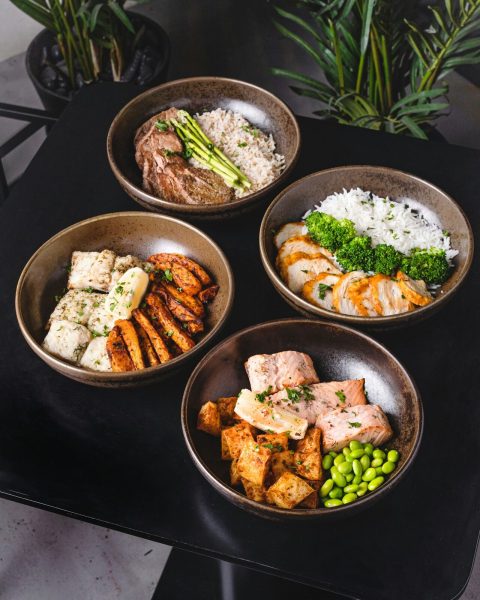
Food is your first and most powerful medicine. In winter, we shift from the raw, cooling foods of summer to deeply warming, cooked, and nourishing meals. The goal is to gently warm your core without creating internal heat or inflammation. Think slow-cooked, bone-deep nourishment.
During my studies in Chengdu, my teacher, Dr. Li, would always start his winter lectures with a thermos of Black Bean and Ginger Bone Broth. He’d say, “This warms the Ming Men, the gate of fire.” Here’s a practical guide to building your winter plate:
| Category | Specific Foods | Why & How to Prepare |
|---|---|---|
| Warming Proteins | Lamb, venison, beef, chicken (dark meat), bone broth (especially pork or beef) | Slow-cook with warming spices. A 2017 review in the Journal of Food and Drug Analysis notes that bone broth contains minerals and amino acids like glycine and proline that may support gut health and reduce inflammation. |
| Warming Grains & Legumes | Black beans, adzuki beans, oats, quinoa, sweet rice (glutinous rice) | Soak beans overnight and cook into soups or congees. Black beans are especially prized for nourishing Kidney Yin and Jing. |
| Warming Vegetables & Fungi | Winter squash (butternut, kabocha), sweet potato, parsnip, kale, black mushrooms (wood ear), ginger, scallion, leek | Roast, stew, or stir-fry. Never eat raw in winter. Ginger (Zingiber officinale) is a key herb for warming the middle and dispelling cold. |
| Warming Spices & Herbs | Cinnamon (gui zhi), black pepper, cloves, star anise, turmeric, fennel seed | Add to teas, soups, and stews. A simple cinnamon stick steeped in hot water for 10 minutes makes a potent Qi-moving tea. |
| Kidney-Specific Foods | Walnuts, black sesame seeds, goji berries (Lycium barbarum), seaweed (kombu, kelp), chestnuts | Eat a small handful of walnuts daily. Make a tea with 1 tsp black sesame seeds and 5 goji berries steeped in hot water for a Kidney Yin/Yang boost. |
Actionable Step: This week, make one pot of Warming Kidney Soup. In a slow cooker, combine 1 lb of beef bones, 1 cup of soaked black beans, 3 thick slices of ginger, 1 cinnamon stick, 1 star anise, and 6 cups of water. Cook on low for 8 hours. Season with a pinch of sea salt and sliced scallions before serving. Eat a small bowl daily.
Movement in the Cold: Gentle Fuels the Fire
Winter is not the season for high-intensity interval training or pre-dawn jogs in the freezing dark. That would be like throwing open the doors and windows of your warm house in a blizzard—it lets the cold in and drains your Yang Qi. Instead, focus on gentle, internal, and meditative movement that circulates Qi without exhausting it.
- Tai Chi or Qigong: These practices are designed to cultivate and circulate internal energy. Even 15 minutes of a simple form like Baduanjin (Eight Brocades) in the late morning sun can be transformative. A 2019 meta-analysis in the Journal of Sport and Health Science found Tai Chi practice was associated with improved balance, reduced pain, and better mental health in older adults.
- Gentle Yoga or Stretching: Focus on forward folds (to nourish the Kidney meridian along the spine) and poses that gently compress the lower back, like Child’s Pose or Cat-Cow.
- Walking: The simplest practice. Walk at a comfortable pace for 20-30 minutes after lunch, when the sun is highest, to absorb its gentle Yang energy without overexerting.
The Rule: You should finish your movement practice feeling warmer, more relaxed, and slightly energized—not exhausted, sweaty, or depleted. If you’re panting or your muscles are screaming, you’ve gone too far for winter.
The Daily Ritual: Protecting Your Qi from Dawn to Dusk
Small, consistent habits build a fortress around your Kidney Qi. Integrate these into your day:
- Morning (7-9 AM): Do not jump out of bed. Lie still for 2-3 minutes, place your warm hands over your lower back (kidney area), and take 5 deep breaths into your belly. This is called “warming the Ming Men.” Then, drink a cup of warm water with a squeeze of lemon and a tiny pinch of sea salt to gently activate your metabolism.
- Midday (11 AM-1 PM): Eat your largest, warmest meal. This is when your digestive “fire” (Stomach/Spleen Qi) is strongest according to the TCM organ clock.
- Evening (5-7 PM): This is Kidney time on the organ clock. Have a lighter, easily digestible dinner (like congee or soup). Begin to wind down.
- Night (9 PM-11 PM): The Huangdi Neijing advises going to bed early. Aim to be asleep by 10:30 PM. Before bed, soak your feet in a basin of warm water (105°F/40°C) with a handful of Epsom salts and 5 drops of ginger essential oil for 15 minutes. This pulls energy down from an overactive mind and warms you from the feet up.
A Deeper Dive: Understanding Kidney Yin and Yang Imbalance
It’s crucial to know whether you need to warm (tonify Yang) or nourish and moisten (tonify Yin). They are two sides of the same coin, and the wrong approach can backfire. Here’s a simplified guide to help you listen to your body’s more subtle cues.
| Sign | More Likely Kidney Yang Deficiency (Cold Signs) | More Likely Kidney Yin Deficiency (Heat Signs) |
|---|---|---|
| Temperature | Feels cold all over, especially limbs and lower back. Loves heat. | May have hot flashes, night sweats, or a feeling of heat in palms/soles/chest. Dislikes heat. |
| Energy | Profound fatigue, lethargy, lack of motivation. | Restless fatigue, wired but tired, insomnia. |
| Fluids | Copious clear urine, edema, dampness. | Dry mouth/throat at night, scanty dark urine, dry skin/hair. |
| Tongue | Pale, swollen, wet-looking, with tooth marks. | Red, especially with no coating, possibly cracks. |
| Simple Home Support | Warming foods (lamb, ginger), foot soaks, moxa on lower abdomen (see a practitioner). | Nourishing Yin foods (goji, pear, mung beans, tofu), avoiding stimulants, rest. |
Important: Many people have a mix of both. This is why a personalized approach from a licensed TCM practitioner is invaluable. Use this table as a starting point for observation, not a rigid diagnosis.
Recommended Tools for Your Winter Practice
- A Good Thermos: Keep warm herbal teas (like cinnamon-ginger) with you all day.
- Cast Iron or Clay Pot: For slow-cooking soups and stews that deeply nourish.
- Wool Socks & a Lower Back Warmer: Protect the Kidney area and feet from cold invasion.
- Book: “The Web That Has No Weaver” by Ted Kaptchuk: The classic Western introduction to TCM principles.
Common Questions
Can I still exercise in winter if I feel tired?
Yes, but the type and intensity must change. The goal is to move Qi gently, not deplete it. If you feel tired, opt for a 10-minute gentle qigong video online or a slow, mindful walk around the block. Listen to your body—if the thought of exercise feels draining, it’s a sign to rest. Pushing through deep fatigue in winter can lead to burnout and illness in spring. The Huangdi Neijing warns against “disturbing the Yang Qi” in winter, which includes overexertion.
I crave sweets in winter. Is that bad for my Kidneys?
Cravings are messages. In TCM, a craving for sweets can indicate your Spleen Qi (digestive energy) is weak and seeking quick energy. However, refined sugar is extremely taxing on the Kidneys and creates “Dampness.” The solution is not to deny the craving, but to satisfy it wisely. Reach for naturally sweet, warming foods: roasted sweet potato with cinnamon, a small bowl of black rice congee with a date (Ziziphus jujuba), or a few baked chestnuts. These foods are sweet in nature but also nourishing, giving your body the deep energy it’s actually asking for.
Is it okay to take hot baths in winter? I heard they can be draining.
This is a nuanced one. A short, warm (not scalding) bath can be wonderfully therapeutic, helping to relax muscles and improve circulation. The key is moderation. A very long, very hot bath can be overstimulating and actually drain Yin fluids, leaving you feeling more tired afterward. A better alternative is the foot soak mentioned earlier—it provides the warming, relaxing benefits with less systemic stress. If you do take a full bath, limit it to 15-20 minutes, keep the water warm (not hot), and add a cup of Epsom salts and a few drops of lavender or cedarwood oil to enhance relaxation. Always follow a bath with rest, not activity.
The bottom line: Winter, in the TCM view, is not a season to endure but a sacred time to conserve and deeply nourish your foundational energy—your Kidney Qi. By eating warming, cooked foods, moving gently, protecting yourself from the cold, and honoring the body’s need for rest, you are not being lazy. You are wisely stoking your inner hearth, ensuring that when spring arrives, you have a full reserve of vitality to blossom with renewed strength and clarity.
About the Author
Yu Xi Zhang grew up in a Chinese household where traditional wellness practices were part of daily life. With over 15 years of study under licensed TCM practitioners in Beijing and Chengdu, and a certification in TCM nutrition from the Beijing University of Chinese Medicine, she bridges Eastern wisdom with Western wellness in practical, actionable ways. Her writing draws from classical texts like the Huangdi Neijing and modern research to help readers live healthier, more balanced lives.
This article is for educational purposes and reflects traditional wellness perspectives. It is not a substitute for professional medical advice, diagnosis, or treatment.