When the first frost arrives, my grandmother used to say the world is holding its breath. The trees pull their energy back into their roots, the animals burrow into the earth, and the rivers slow to a crawl. In Traditional Chinese Medicine (TCM), this isn’t just a poetic observation—it’s a profound biological instruction. Winter, the season of the Water element, is the time for winter qi storage. It’s a time to conserve, to nourish our deepest reserves, and to prepare the quiet, potent energy that will fuel our growth in spring. Yet in our modern world, we often do the opposite: we push through with holiday parties, late nights, and relentless schedules, wondering why we feel depleted by February. This guide is an invitation to align with winter’s ancient rhythm, to learn how to store your energy like a seed in frozen ground, ready to burst forth when the thaw comes.
The Water Element: Understanding Winter’s Qi
In the Five Element framework of TCM, winter corresponds to Water (水, shuǐ). This isn’t just about H₂O; it’s about a specific type of energy characterized by stillness, depth, potential, and conservation. The Water element governs the Kidney system (肾, shèn), which in TCM is far more than the anatomical organs. The Kidneys are considered the “Root of Life,” the storage house for our Jing (精)—our deepest, most essential energy, often translated as “essence” or “ancestral qi.” Think of Jing as your constitutional battery, the inherited vitality you’re given at birth. Winter’s cold, contracting nature creates the perfect conditions to recharge this battery.
The Huangdi Neijing (Yellow Emperor’s Classic of Internal Medicine), the foundational text of TCM written over 2,000 years ago, gives clear seasonal instructions. In the Suwen chapter on the Four Qi and Spirit Regulation, it states:
“In the three months of winter, this is called closing and storing. Water freezes and the earth cracks. Do not disturb the yang qi. Go to rest early and rise late. You must wait for the sun to shine. Make the will as if hidden, as if having a secret thought, as if having obtained something. Avoid the cold, seek warmth, and do not let the sweat escape from the skin, for fear of losing the qi that is urgently stored.”
This is the core principle of winter qi storage. The text explicitly advises against excessive sweating and overexertion—activities that disperse yang qi. Instead, it prescribes a lifestyle of early nights, late mornings (after the sun is up), and an inward focus. My teacher in Chengdu, Dr. Li, would simplify this for his patients: “Winter is for yang sheng (养生, nourishing life) through yang cang (养藏, nourishing storage). You cannot pour from an empty cup, and you cannot grow in spring from an empty seed.”
Why Modern Life Fights Winter’s Rhythm
Our contemporary culture is built on a summer-year-round model: constant output, bright lights, social engagement, and 24/7 productivity. This creates a fundamental conflict with winter’s biological mandate. Consider the common winter patterns that TCM practitioners see:
- Seasonal Affective Disorder (SAD): Often linked to a deficiency of Kidney Yang in TCM—the internal “pilot light” that warms the body and spirit is too low.
- Frequent Winter Colds & Flu: The Huangdi Neijing directly links a failure to store qi in winter to illness in the following spring. Modern immunology research supports this, showing that chronic stress and sleep deprivation (common in winter) can suppress immune function (Segerstrom & Miller, 2004, Psychological Bulletin).
- Burnout & Adrenal Fatigue: While “adrenal fatigue” is not a recognized medical diagnosis, the symptom cluster of exhaustion, brain fog, and low resilience mirrors what TCM calls Kidney Qi Deficiency. A 2019 review in Frontiers in Neuroendocrinology discusses how chronic HPA axis dysregulation from stress impacts energy metabolism, a modern lens on what TCM observes as depleted Kidney essence.
The result? We enter spring not with vibrant, upward-moving Liver qi, but with a deficit, leading to allergies, irritability, and fatigue. The goal of winter qi storage is to break this cycle.
The Practical Art of Storing: A Daily Guide
Storing qi isn’t about doing nothing; it’s about doing the right things. It’s a conscious, gentle practice. Here is a framework you can adapt, based on classical principles and modern understanding.
1. Sleep: The Non-Negotiable Foundation
The Huangdi Neijing‘s advice to “go to rest early and rise late” is paramount. Sleep is when the Kidney system does its deepest repair and storage work. Aim for 7.5 to 9 hours of sleep per night. In practical terms, this might mean being in bed by 10:00 PM and waking around 7:00 AM. The key is consistency. Create a “wind-down” ritual starting at 9:00 PM: dim the lights, turn off screens, and consider a warm foot soak (see below). This signals to your nervous system that the day’s output is over and storage mode has begun.
2. Movement: Gentle, Internal, and Warm
Winter is not the season for high-intensity interval training or marathon training. Vigorous exercise that leaves you drenched in sweat is considered yang qi-dispersing. Instead, focus on:
- Qigong or Tai Chi: These internal arts cultivate and circulate qi without depleting it. The “Eight Brocades” (Ba Duan Jin) is a classic, short qigong set perfect for winter mornings.
- Gentle Yoga or Stretching: Focus on restorative poses, forward folds (which calm the nervous system), and gentle twists.
- Walking in Daylight: A 20-30 minute walk during the sunniest part of the day (often 11 AM – 1 PM) exposes you to natural light, which helps regulate circadian rhythms and mood. A 2017 study in Environmental Health and Preventive Medicine found that “forest bathing” (shinrin-yoku) can reduce cortisol levels, supporting the stress-reduction component of qi storage.
3. Diet: Warming, Nourishing, and Kidney-Friendly
Food is medicine in TCM. Winter diet should be warming, easy to digest, and specifically nourish the Kidney system. The Kidneys respond to the salty flavor in moderation (not processed salty, but mineral-rich salty) and black/dark-colored foods.
| Food Category | Specific Foods & Preparation | TCM Rationale |
|---|---|---|
| Black/Dark Foods | Black sesame seeds (toasted, 1 tbsp daily), black beans (in soups), black rice, mulberries (Morus alba), black mushrooms (shiitake, wood ear) | Color corresponds to the Water element; nourishes Kidney Yin and Blood. |
| Warming Proteins | Lamb (stewed for 2+ hours), bone broth (beef or chicken, simmered 12-24 hrs), oysters (zinc-rich, a Kidney tonic) | Warms the interior, supports Kidney Yang. Bone broth nourishes Jing. |
| Root Vegetables | Sweet potato (roasted), carrots, parsnips, beets, lotus root | Grounding, earthy energy that supports the Spleen (Earth element) to generate Qi for storage. |
| Warming Spices | Ginger (Zingiber officinale, fresh slices in tea or soup), cinnamon (Cinnamomum cassia, sticks in porridge), black pepper, cloves, fennel seeds | Dispels cold, warms the middle burner, improves digestion of heavier winter foods. |
| Seeds & Nuts | Walnuts (3-5 daily), pine nuts, chestnuts (roasted) | Walnuts resemble the brain (Kidney system governs brain marrow); all are Kidney tonics. |
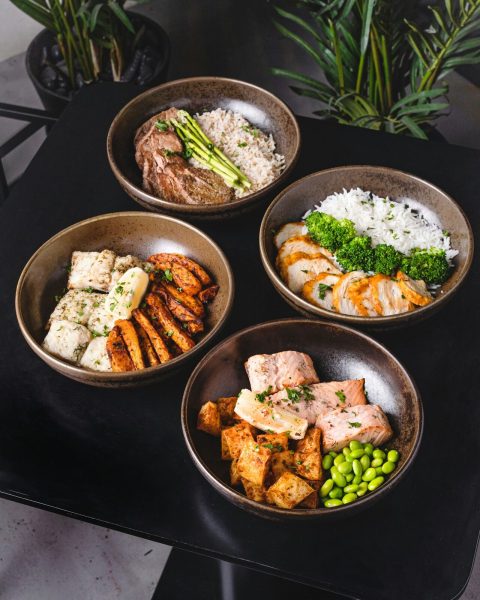
A Simple Winter Qi Storage Meal: A bowl of slow-cooked black bean and lamb stew with carrots, a pinch of cinnamon and ginger, served over black rice. Garnish with toasted black sesame seeds and chopped scallions. This single meal touches on multiple Kidney-nourishing principles.

The Mind & Emotions: Cultivating Inner Stillness
Winter qi storage is as much about the mind as the body. The emotion associated with the Water element is fear—but in its balanced form, it becomes willpower and wisdom. An overactive, anxious mind in winter is like a constantly running engine; it burns through Kidney Yin and Jing. The practice is to cultivate a sense of inner quiet, of “having a secret thought” as the Neijing says.
Actionable Steps for Mental Storage:
- Limit News & Social Media: Designate specific, short times to check the news (e.g., 15 minutes after lunch). Constant stimulation is a major qi drain.
- Practice “Do Nothing” Time: Sit quietly for 10 minutes after lunch. No phone, no book, no task. Just observe your breath. This is harder than it sounds and profoundly nourishing.
- Journaling for Reflection: Winter is a natural time for introspection. Write about what you want to let go of (old fears, resentments) and what quiet intentions you want to plant for spring.
A Winter Qi Storage Weekly Checklist
Use this checklist to gently guide your week. The goal is not perfection, but consistent, mindful effort.
- ☐ Sleep: In bed by 10:30 PM at least 5 nights this week.
- ☐ Daylight: A 15+ minute walk outside during daylight hours, 4 times this week.
- ☐ Food: Include one black-colored food (black beans, sesame, etc.) in your diet 3 times.
- ☐ Warmth: Keep your lower back and feet (Kidney channels) warm. Wear socks at home.
- ☐ Movement: One 20-minute session of qigong, gentle yoga, or tai chi.
- ☐ Mind: One 10-minute session of sitting quietly with no input (meditation, breath focus, or just being).
- ☐ Hydration: Drink warm fluids (herbal tea, warm water) throughout the day. Avoid ice water.
Common Questions About Winter Qi Storage
Does this mean I can’t exercise at all in winter?
Absolutely not! The key is moderation and type. The goal is to avoid depleting your yang qi through excessive sweating and exhaustion. You can still do strength training, but perhaps reduce the intensity or volume by 10-15%. Focus more on mobility, flexibility, and internal practices like qigong. Listen to your body: if you feel drained and cold after a workout, you’ve likely overdone it. A good rule of thumb is to finish exercise feeling gently energized, not wiped out.
I feel depressed and sluggish in winter. Isn’t storing qi just making that worse?
This is a crucial distinction. Healthy winter qi storage is not about stagnation; it’s about conscious conservation. The sluggishness you feel may be a sign of underlying deficiency or stagnation. The practices above—especially gentle movement, daylight exposure, and warming foods—are specifically designed to move qi gently and support your energy without depleting it. Staying in bed all day in a dark room would indeed worsen stagnation. The goal is a balance of rest and gentle activity, warmth and nourishment. If your low mood is severe or persistent, please consult a healthcare professional. TCM can be a wonderful complement to conventional care.
Are there any herbs or supplements I should take?
Herbal medicine is a powerful tool in TCM, but it must be tailored to your individual constitution (are you more Yin deficient? Yang deficient?). Self-prescription is not advised. However, some gentle, food-grade herbs can be incorporated into cooking:
- Gou Qi Zi (Goji Berries, Lycium barbarum): Nourishes Kidney Yin and Liver Blood. Add a small handful to soups or oatmeal.
- He Shou Wu (Fo-Ti Root, Polygonum multiflorum): A classic Kidney and Liver tonic. Note: Must be prepared correctly (cured) and is best used under practitioner guidance due to potential liver concerns with raw form.
- Rou Gui (Cinnamon Bark, Cinnamomum cassia): Warms Kidney Yang. Use a small stick (2-3 inches) in slow-cooked stews or porridges.
For a tailored herbal formula, consult a licensed acupuncturist or TCM practitioner.
Recommended Products for Winter Practice
- Insulated Water Bottle: Keeps ginger tea or warm water hot for hours, encouraging warm hydration.
- Weighted Blanket: Can promote deeper sleep and a sense of security, aligning with winter’s grounding energy.
- Qigong DVD or Online Subscription: A guided program for “Eight Brocades” or winter-specific qigong sets makes practice accessible at home.
The bottom line: Winter qi storage is a profound act of self-care and alignment with nature’s deepest rhythm. By consciously resting, eating warming and Kidney-nourishing foods, moving gently, and cultivating inner stillness, you are not being lazy—you are wisely investing in your vitality for the year ahead. Like a seed buried in the frozen earth, you are gathering the quiet, potent energy needed to burst forth with strength and clarity when spring arrives.
About the Author
Yu Xi Zhang grew up in a Chinese household where traditional wellness practices were part of daily life. With over 15 years of study under licensed TCM practitioners in Beijing and Chengdu, and a certification in TCM nutrition from the Beijing University of Chinese Medicine, she bridges Eastern wisdom with Western wellness in practical, actionable ways. Her writing draws from classical texts like the Huangdi Neijing and modern research to help readers live healthier, more balanced lives.
This article is for educational purposes and reflects traditional wellness perspectives. It is not a substitute for professional medical advice, diagnosis, or treatment.