There’s a particular quality to the air in early autumn that you can feel in your chest before you see it in the trees. It’s a crispness, a subtle shift from the humid, expansive energy of summer to something drier, clearer, and more inward. In Traditional Chinese Medicine (TCM), this isn’t just a poetic observation—it’s a profound physiological signal. Autumn is the season governed by the Metal Element, and its primary home in your body is the Lungs. Understanding this connection is one of the most practical things you can do to support your immunity, your skin, and your emotional resilience as the year turns. This isn’t about abstract philosophy; it’s about working with your body’s innate rhythms to stay healthy.
- The Metal Element: More Than Just Your Lungs
- Signs Your Metal Element Needs Support
- The Science of Autumn Immunity: Bridging TCM and Modern Research
- Nourishing the Metal Element: Your Autumn Plate
- Movement & Breath: Practices to Strengthen Lung Qi
- Daily Rituals for a Balanced Autumn
- Herbal Allies for Autumn: A Practical Guide
The Metal Element: More Than Just Your Lungs
In the Five Element framework of TCM, each element corresponds to a season, a set of organs, an emotion, and a flavor. Metal’s season is autumn. Its organs are the Lungs (Fei) and the Large Intestine (Da Chang). This pairing is key: the Lungs govern the intake of pure Qi (air) and the skin, while the Large Intestine handles elimination and letting go. Together, they form the body’s first line of defense and its primary system for discernment—taking in what’s vital and releasing what’s not.
The emotion associated with Metal is grief and sadness. Think of the melancholy beauty of falling leaves. A healthy Metal element allows us to feel loss without being consumed by it, to appreciate what is precious precisely because it is impermanent. The flavor is pungent, which in TCM doesn’t just mean spicy hot, but includes aromatic, dispersing flavors like ginger, garlic, and mint that can help open the Lungs and circulate Qi.
The Huangdi Neijing (Yellow Emperor’s Classic of Internal Medicine), the foundational text of TCM written over 2,000 years ago, offers a direct instruction for this season: “The three months of autumn are called the period of ‘taking in’ and ‘storing.’ The qi of heaven becomes urgent… One should go to bed early and rise early, get up with the rooster.” This isn’t just advice; it’s a prescription for aligning with the Metal energy’s natural movement inward and downward.
“The Lungs are the ‘tender organ.’ They are the uppermost organ, the ‘canopy,’ and are easily invaded by external pathogenic factors like wind and cold. Protecting the Lungs is the first step in guarding the gate.”
— Adapted from a teaching by Dr. Liu, my mentor in Chengdu
Signs Your Metal Element Needs Support
When the Metal element is out of balance, the signs are often quite literal and physical. You might notice:
- Respiratory Issues: Frequent colds, a lingering cough, shortness of breath, or a feeling of tightness in the chest.
- Skin Problems: Dryness, eczema, rashes, or a general lack of luster. The Lungs govern the skin, so skin health is a direct reflection of Lung Qi.
- Immune Weakness: Catching every bug that goes around, or slow recovery from illness.
- Emotional Imbalance: Excessive sadness, difficulty letting go of possessions or relationships, or a pervasive feeling of melancholy.
- Constipation: The Large Intestine is the paired organ, so sluggish elimination can indicate a Metal imbalance.
During my first autumn studying in Beijing, I caught three colds back-to-back. My practitioner, Dr. Chen, didn’t just give me herbs. She asked about my sleep (I was staying up late), my diet (I was eating cold salads and iced drinks), and my stress levels (high, as I was navigating a new city). She explained that my lifestyle was “taxing my Spleen Qi” and leaving my Lungs vulnerable. The treatment was as much about changing my habits as it was about the herbal formula she prescribed.
The Science of Autumn Immunity: Bridging TCM and Modern Research
Modern research is beginning to validate what TCM has observed for millennia. The connection between respiratory health, immunity, and seasonal change is well-documented. For instance, a 2019 review in the Journal of Ethnopharmacology analyzed the immunomodulatory effects of several classic Lung-tonifying herbs used in formulas like Yu Ping Feng San (Jade Windscreen Powder). The study found that the primary herb, Astragalus membranaceus (Huang Qi), demonstrated significant effects in enhancing both innate and adaptive immune responses, supporting its traditional use for preventing colds (Li et al., 2019).
Furthermore, the concept of “Wei Qi” (Defensive Qi), which circulates on the surface of the body and is governed by the Lungs, correlates closely with the function of the mucosal immune system. Research published in Frontiers in Immunology highlights how mucosal immunity in the respiratory tract is our first line of defense against airborne pathogens, a perfect parallel to the TCM understanding of the Lungs as the “canopy” that protects the body (Iwasaki, 2016).
The dryness of autumn air can also directly impact our defenses. A study in the Journal of Allergy and Clinical Immunology found that low humidity impairs the mucociliary clearance system in the airways—the tiny hairs that sweep pathogens out of our lungs—making us more susceptible to infection (Kudo et al., 2019). This explains the TCM emphasis on moistening the Lungs during this season.

Nourishing the Metal Element: Your Autumn Plate
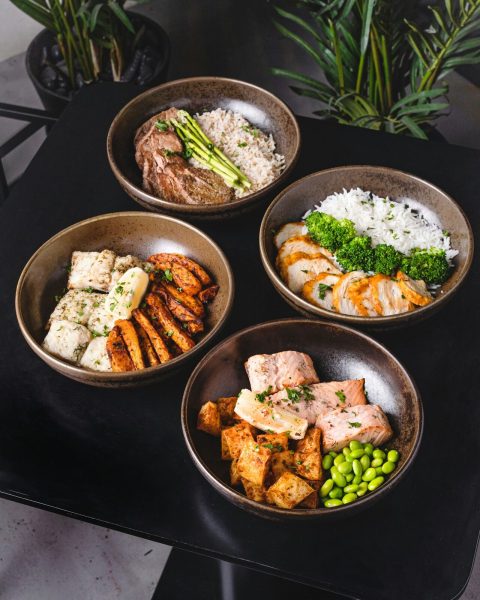
In TCM nutrition, the principle is simple: eat what the season provides. Autumn foods are naturally moistening, slightly pungent, and white in color—a color that corresponds to the Metal element. This is the time to shift from the raw, cooling foods of summer to warm, cooked, and nourishing meals.
Actionable Autumn Food Guide:
| Food Category | Specific Foods & Preparation | TCM Benefit |
|---|---|---|
| White Moistening Foods | Pears (Xue Li): Stew 1 peeled, cored pear with 5g of rock sugar and 3g of dried Lilium brownii (Bai He) bulbs for 20 minutes. Eat warm. | Moistens Lungs, stops cough, generates fluids. |
| Daikon Radish (Luo Bo): Slice and add to bone broth or chicken soup. Simmer for at least 1 hour. | Descends Lung Qi, aids digestion, transforms phlegm. | |
| Lotus Root (Lian Ou): Juice it raw with a little ginger, or slice and stir-fry with celery. | Cools heat, nourishes Yin, stops bleeding. | |
| Pungent Aromatics | Ginger (Sheng Jiang): Add 3-5 thin slices to morning tea or soups. Use fresh, not dried. | Warms the middle, disperses cold, releases the exterior. |
| Garlic (Da Suan): Use 1-2 raw cloves minced in dressings, or roast whole heads to spread on bread. | Warms, detoxifies, kills parasites. | |
| Scallions (Cong Bai): Use the white part in congee or soups at the end of cooking. | Releases exterior cold, opens the nasal passages. | |
| Immune-Supporting Staples | Bone Broth: Simmer chicken or beef bones for 12-24 hours with a splash of apple cider vinegar. Add astragalus root slices (15g) in the last 2 hours. | Strengthens Qi, nourishes Blood, supports Wei Qi. |
| Shiitake Mushrooms (Xiang Gu): Soak dried ones and add to any soup or stir-fry. | Boosts Qi, supports immunity, modern research shows antiviral properties. |
My Go-To Autumn Recipe: Lung-Nourishing Pear & Almond Soup. In a pot, combine 1 peeled, cored Asian pear, 10g of sweet almonds (Semen Pruni), 5g of dried lily bulb (Bai He), 3 red dates (Da Zao), and 500ml of water. Bring to a boil, then simmer for 45 minutes. Add a small piece of rock sugar in the last 5 minutes. This soup is a staple in my home from September onward. It’s gentle enough for children and profoundly effective for a dry cough.
Movement & Breath: Practices to Strengthen Lung Qi
The Lungs thrive on gentle, rhythmic movement that opens the chest and deepens the breath. Vigorous, sweat-soaked exercise can actually deplete Qi in autumn, as it forces energy outward when the natural direction is inward.
- Tai Chi or Qigong: The slow, deliberate movements and focus on breath are ideal. The “Eight Pieces of Brocade” (Ba Duan Jin) Qigong set has specific movements for opening the chest and tonifying the Lungs.
- Brisk Walking in Nature: Aim for 30 minutes in the morning, when the air is fresh. Practice “forest bathing” (Shinrin-yoku) by consciously breathing in the scent of pine or cedar, which are traditionally considered beneficial for the Lungs.
- Simple Breathing Exercise (The “4-7-8” Breath): Inhale through your nose for 4 counts, hold for 7 counts, exhale slowly through your mouth for 8 counts. Repeat 4 times, twice daily. This directly exercises the diaphragm and calms the nervous system.
- Gentle Stretching: Focus on opening the chest and shoulders. Try lying over a rolled-up towel placed along your spine for 5 minutes to counteract the hunching posture that restricts breathing.
Daily Rituals for a Balanced Autumn
Integrating Metal element care into your day doesn’t require hours. It’s about small, consistent acts of attention.
- Morning: Upon waking, drink a cup of warm water with a thin slice of lemon and a teaspoon of raw honey. This gently moistens and cleanses.
- Midday: If you feel a scratchy throat or nasal congestion, make a quick tea: steep 3 slices of fresh ginger, 2 slices of pear, and a pinch of cinnamon in hot water for 10 minutes.
- Evening: Before bed, practice dry skin brushing. Use a natural bristle brush, starting at your feet and brushing toward your heart in long strokes. This stimulates the Lungs’ governing of the skin and promotes lymphatic flow.
- Environment: Use a cool-mist humidifier in your bedroom, especially if you use indoor heating. Aim for 40-60% humidity to protect your mucous membranes.
- Emotional Check-in: At the end of the day, ask yourself: “What am I holding onto that I can let go of?” This could be a grudge, an old item, or an outdated goal. The practice of letting go strengthens Metal.
Herbal Allies for Autumn: A Practical Guide
Herbs are powerful tools, but they are best used with understanding. Always consult a qualified practitioner before starting any new herbal regimen, especially if you are pregnant, nursing, or on medication.
| Herb (Pinyin / Latin) | Common Use | How to Use It Safely at Home |
|---|---|---|
| Astragalus (Huang Qi) | Strengthening Wei Qi (Defensive Qi), boosting immunity, reducing frequency of colds. | Add 10-15g of dried root slices to soups or bone broth. Simmer for at least 2 hours. Contraindication: Avoid during active infection or fever. |
| Licorice Root (Gan Cao) | Harmonizing other herbs, moistening the Lungs, soothing sore throats. | Use 2-3 small slices in a tea blend with ginger and pear. Contraindication: Avoid with high blood pressure or on long-term use without supervision. |
| Schisandra Berry (Wu Wei Zi) | Astringent, helps “contain” Lung Qi, stops cough, calms the spirit. | Steep 5-8 dried berries in hot water for 15 minutes for a tart, complex tea. |
| Chrysanthemum Flower (Ju Hua) | Cooling, clears heat from the head and eyes, supports the Lungs. | Use 5-8 flowers in a tea with goji berries (Gou Qi Zi) for a classic, balancing autumn drink. |
Recommended Products:
Recommended Autumn Wellness Tools
- Organic Astragalus Root Slices: For adding to soups and broths. Look for slices that are yellow and fragrant.
- Cast Iron Tea Kettle: Perfect for simmering herbal teas and infusions. The iron can also contribute trace minerals.
- Humidifier with Essential Oil Tray: To maintain moisture in your home air. Add a drop of cedarwood or eucalyptus oil for respiratory support.
Common Questions
Is it true that I should avoid raw salads in autumn?
In TCM, yes, the advice is generally to reduce raw, cold foods as the weather cools. Raw foods require more digestive energy (Spleen Qi) to break down and can create internal “dampness” or “cold,” which can impair the Lungs’ function. This doesn’t mean you can never eat a salad, but it’s wise to balance it. For example, have a smaller portion of salad alongside a bowl of warm soup. Or, lightly steam or blanch your greens before dressing them. The key is moderation and listening to your body—if you feel bloated or chilly after a raw meal, your body is telling you something.
Can I practice these Lung-strengthening techniques if I have asthma?
Many of these principles, like breathwork, gentle movement, and moistening foods, can be very supportive for respiratory conditions. However, asthma is a complex condition with different underlying patterns in TCM (e.g., Lung Qi deficiency, Kidney Qi deficiency, or phlegm obstruction). It is crucial to work with a licensed acupuncturist or TCM practitioner who can diagnose your specific pattern and tailor a treatment plan, which may include acupuncture and customized herbal formulas. The general advice here is a good starting point for wellness, but not a substitute for personalized care.
What’s the most important thing I can do today to support my Metal element?
Start with your breath. Take 5 minutes right now to sit quietly. Place one hand on your chest and one on your belly. Breathe in slowly through your nose for a count of 4, feeling your belly expand. Hold for a count of 2. Exhale slowly through your mouth for a count of 6, feeling your belly contract. Repeat 10 times. This simple act directly nourishes Lung Qi, calms the mind, and creates a moment of connection with the Metal element’s energy of stillness and clarity. It costs nothing, takes no time, and is the foundation of all other practices.
The bottom line: Autumn’s Metal element is your body’s built-in system for immunity, resilience, and graceful transition. By aligning your diet with moistening, white foods, practicing gentle, breath-focused movement, and cultivating the emotional art of letting go, you directly support your Lungs and Large Intestine. This is not about fighting nature, but about flowing with it—a practice that yields profound health benefits far beyond the season.
About the Author
Yu Xi Zhang grew up in a Chinese household where traditional wellness practices were part of daily life. With over 15 years of study under licensed TCM practitioners in Beijing and Chengdu, and a certification in TCM nutrition from the Beijing University of Chinese Medicine, she bridges Eastern wisdom with Western wellness in practical, actionable ways. Her writing draws from classical texts like the Huangdi Neijing and modern research to help readers live healthier, more balanced lives.
This article is for educational purposes and reflects traditional wellness perspectives. It is not a substitute for professional medical advice, diagnosis, or treatment.