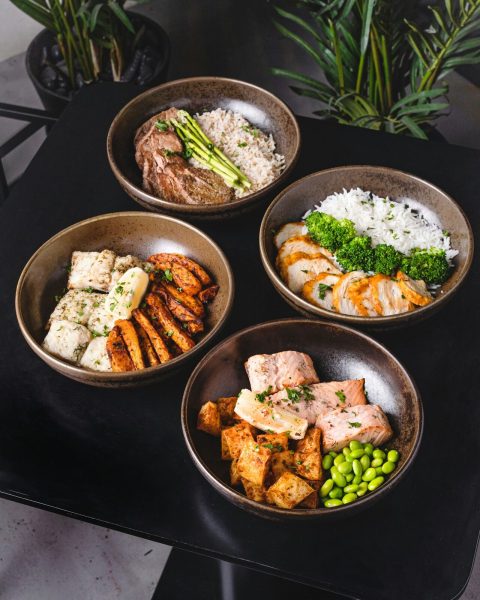
The first cool breeze of autumn always arrives with a certain quietness. One morning, you step outside and the air has shifted—it carries a crispness that wasn’t there yesterday. In Traditional Chinese Medicine (TCM), this isn’t just a change in weather; it’s a fundamental shift in the energy of the world around us, and a direct signal for our own bodies. This is the season of autumn qi building, a time to consciously gather, strengthen, and protect our vital energy (qi) for the colder, more introspective months ahead. Think of it like a squirrel gathering nuts: autumn is your window to stockpile the inner resources you’ll need to stay resilient, healthy, and emotionally balanced when winter arrives.
Understanding Autumn’s Energetic Blueprint
In TCM, the universe is governed by five phases, or elements: Wood, Fire, Earth, Metal, and Water. Autumn belongs to the Metal element. This is the energy of refinement, boundary-setting, and letting go. Just as trees shed their leaves to conserve energy for their core, our bodies are designed to release what’s no longer needed—be it physical toxins, emotional baggage, or even the expansive, outward energy of summer.
The organs most active in autumn are the Lungs (Yin organ) and the Large Intestine (Yang organ). The Lungs govern the skin and our first line of defense (wei qi), while the Large Intestine is responsible for elimination. Together, they manage the intake of pure (clean air, nourishment) and the release of impure (waste, grief). A classic TCM text, the Huangdi Neijing (The Yellow Emperor’s Classic of Internal Medicine), advises: “In the three months of autumn, the qi of heaven becomes urgent… One should go to bed early and rise early, to accord with the cock’s crow.” This simple instruction underscores autumn’s core principle: align with its contracting, inward-moving nature.
The Metal element teaches us that true strength lies not in accumulation, but in the clarity that comes from letting go of the unnecessary.
The Autumn Qi Building Diet: Warming from the Inside Out
Summer’s raw salads and cooling fruits have their place, but as the air turns dry and cool, our digestive fire (Spleen qi) needs support. The goal isn’t just to eat “warm” foods, but to choose foods that generate fluids to combat dryness and gently tonify qi without creating dampness. My grandmother, who grew up in Guangdong, would start making her famous luo han guo (monk fruit, Siraitia grosvenorii) and pear soup the moment the calendar turned to September. “It scrubs the lungs clean,” she’d say, handing me a steaming bowl. This isn’t just folk wisdom; modern research, like a 2019 study in the Journal of Ethnopharmacology, suggests monk fruit extracts have potent antioxidant and anti-inflammatory properties.
Here are your actionable autumn foods, with specific preparation methods:
- Pears (especially Asian pears, Pyrus pyrifolia): The queen of autumn foods for moistening the Lungs. Action: Poach one peeled, cored pear with 5 goji berries (Lycium barbarum) and a small piece of rock sugar in 2 cups of water for 20 minutes. Drink the soup and eat the pear.
- White Wood Ear Mushroom (Tremella fuciformis): A powerhouse for generating Yin fluids. Action: Soak a small handful (about 1/4 cup dry) in water for 30 minutes. Simmer with 6 red dates (Ziziphus jujuba) and a few longan fruits (Dimocarpus longan) in 4 cups of water for 1 hour to make a sweet, gelatinous dessert soup.
- Root Vegetables: Sweet potato, yam (Dioscorea opposita), taro. They are grounding and support the Spleen. Action: Roast cubed sweet potato and taro with a drizzle of sesame oil and a pinch of sea salt at 400°F (200°C) for 25 minutes.
- Warming Proteins: Chicken, lamb, bone broth. Action: Make a simple bone broth by simmering 2 lbs of chicken or beef bones with 1 tablespoon of apple cider vinegar and a thumb of sliced ginger (Zingiber officinale) for 6-8 hours. Use as a base for soups.
- Seeds & Nuts: Black sesame seeds (Sesamum indicum), walnuts, pine nuts. They nourish Kidney Yin and moisten the intestines. Action: Toast 2 tablespoons of black sesame seeds lightly in a dry pan until fragrant. Sprinkle over morning oatmeal or rice congee.
Movement & Breath: Cultivating Lung Qi
Summer is for vigorous hikes and swimming. Autumn calls for moderate, rhythmic movement that opens the chest and deepens the breath. The Lungs thrive on clean, fresh air and gentle expansion. A 2021 review in Complementary Therapies in Medicine found that mind-body exercises like tai chi and qigong can significantly improve respiratory function and reduce stress markers—perfect for this season.
Autumn Qi Building Movement Routine:
- Morning Practice (5-10 minutes): Upon waking, stand with feet shoulder-width apart. Inhale slowly through the nose as you raise your arms out to the sides and up overhead, palms facing the sky. Hold for a breath. Exhale slowly as you lower your arms, imagining you are drawing clean, white energy (Metal element color) into your lungs. Repeat 6 times.
- Walking Meditation (15-20 minutes): Walk at a gentle pace in a park or quiet neighborhood. Sync your breath with your steps: inhale for 4 steps, hold for 2, exhale for 6 steps. Focus on the sensation of cool air entering your nostrils.
- Evening Stretch (5 minutes): Lie on your back with a rolled-up towel placed vertically along your spine, from mid-back to head. Let your arms fall open to the sides. Breathe deeply into the front, sides, and back of your ribcage for 3-5 minutes. This gently opens the chest and counteracts the “hunching” we do from stress and screens.
Emotional Hygiene: Letting Go of Grief
In TCM, the emotion of the Metal element is grief and sadness. This doesn’t mean autumn will make you sad, but it is the season where unresolved grief or loss may surface for processing. The Lungs are said to “scatter the essence” and help us connect to the world. When Lung qi is weak, we may feel isolated, melancholic, or stuck in the past. The practice here is not to suppress these feelings, but to acknowledge them and create space for release, much like the tree releasing its leaves.
Actionable Emotional Practice:
- The Letting-Go Journal: Each evening for one week, spend 10 minutes writing down one thing you are ready to release. It could be a worry, a resentment, a “should,” or a memory. After writing, safely burn the paper (in a fireplace or fireproof bowl) or tear it into tiny pieces and throw it away. The physical act mirrors the internal release.
- Acupressure Point: Letting Go (LU-7): This point, Lieque, is the master point for the Lungs and for releasing grief. Find it: make a thumbs-up sign. The point is in the depression just above the wrist crease, on the thumb side. Use your opposite thumb to apply firm, circular pressure for 1-2 minutes on each wrist while breathing deeply. Do this whenever you feel a heaviness in your chest.

Daily Rhythms & Sleep: Aligning with Shorter Days
The Huangdi Neijing‘s advice to “go to bed early and rise early” is a direct call to adjust our circadian rhythm. As daylight wanes, our bodies naturally produce melatonin earlier. Fighting this by staying up late under artificial light can disrupt qi flow and weaken immunity. A 2020 study in Sleep Medicine Reviews emphasized that alignment with seasonal light cycles is crucial for metabolic and immune health.
Autumn Sleep Protocol:
- Bedtime: Aim to be in bed with lights off by 10:30 PM. The period between 11 PM and 3 AM is when the Gallbladder and Liver meridians are most active—crucial for detoxification and planning (Gallbladder) and smooth flow of qi and blood (Liver).
- Wind-Down Ritual: One hour before bed, turn off bright overhead lights. Use lamps with warm bulbs. Take a warm foot bath for 15 minutes. Add 1/2 cup of Epsom salts and 5 drops of lavender (Lavandula angustifolia) essential oil. This draws energy downward, away from a busy mind.
- Morning Light: Get 10-15 minutes of natural light exposure within the first hour of waking. This helps reset your circadian clock for better sleep the following night.
Your Autumn Qi Building Cheat Sheet
Here is a quick-reference table to summarize the core practices for building your autumn qi:
| Domain | Autumn Focus | Key Action | Specific Example |
|---|---|---|---|
| Diet | Moisten Dryness, Tonify Qi | Eat cooked, warm, moistening foods | Poached pear soup with goji berries; bone broth-based congee for breakfast |
| Movement | Open Chest, Deepen Breath | Practice gentle, rhythmic exercise | 10-min morning arm-raising breathwork; 15-min walking meditation (4-2-6 breath) |
| Emotions | Process Grief, Let Go | Journal & release; use acupressure | Evening letting-go journal; press LU-7 point for 2 min when feeling heavy |
| Sleep | Align with Light Cycles | Early bed, warm foot bath | Bed by 10:30 PM; foot bath with Epsom salt & lavender at 9:45 PM |
| Environment | Support Metal Element | Declutter & add white/metallic accents | Clear one drawer or shelf weekly; add a white ceramic vase or metal bowl |
Recommended Products for Autumn Wellness
To support your autumn qi building practice, consider these simple tools and ingredients:
- Organic Dried Goji Berries (Lycium barbarum): A staple for nourishing Liver and Kidney Yin, and brightening the eyes. Look for plump, deep red berries from Ningxia.
- High-Quality Bone Broth Concentrate: For those short on time, a shelf-stable, grass-fed bone broth concentrate can be a quick base for soups and congee.
- Cast Iron Foot Bath Basin: A simple, deep basin for your evening foot soaks. Cast iron retains heat well, creating a more effective and relaxing experience.
Common Questions
Q: I feel more anxious and dry in autumn. Is that related to qi?
A: Absolutely. In TCM, anxiety is often linked to Heart and Lung qi deficiency, and the dryness of autumn can exacerbate this by depleting Yin fluids, which have a calming, moistening effect. The dryness can manifest as dry skin, a dry cough, or even a feeling of internal “scratchiness” or irritability. Focusing on the moistening foods (pears, white wood ear, honey) and deep-breathing exercises mentioned above can be particularly helpful. The Lung-Heart connection is vital; when the Lungs are nourished, they help “descend” and calm the spirit (Shen), which resides in the Heart.
Q: Is it too late to start autumn practices if I’ve already been feeling run down?
A: It’s never too late. The body is remarkably responsive. Starting now is like plugging a leaky bucket—immediately, you begin to conserve and build what you have. Begin with just one or two practices from the cheat sheet. The poached pear soup and the 10-minute morning breathwork are excellent starting points. Consistency over a few weeks is more powerful than a perfect, short-lived burst of effort. The season of letting go is also a season of gentle rebuilding.
Q: Can autumn qi building help prevent colds and flu?
A: TCM views this as strengthening your Wei Qi (defensive energy), which is governed by the Lungs. A strong Wei Qi is like a sturdy immune shield. While no practice can guarantee you won’t get sick, a 2018 systematic review in BMC Complementary and Medicine Therapies suggested that TCM approaches, including dietary therapy and qigong, may help reduce the frequency and severity of respiratory infections by supporting immune function. The practices here—especially the diet, sleep, and breathwork—are foundational for building that resilient defense.
The bottom line: Autumn qi building is a conscious, seasonal practice of aligning your body, diet, movement, and emotions with the contracting, refining energy of the Metal element. By focusing on moistening foods, gentle chest-opening movement, emotional release, and earlier sleep, you are not just preparing for winter—you are cultivating a deeper reservoir of resilience and clarity that will serve you all year long.
About the Author
Yu Xi Zhang grew up in a Chinese household where traditional wellness practices were part of daily life. With over 15 years of study under licensed TCM practitioners in Beijing and Chengdu, and a certification in TCM nutrition from the Beijing University of Chinese Medicine, she bridges Eastern wisdom with Western wellness in practical, actionable ways. Her writing draws from classical texts like the Huangdi Neijing and modern research to help readers live healthier, more balanced lives.
This article is for educational purposes and reflects traditional wellness perspectives. It is not a substitute for professional medical advice, diagnosis, or treatment.