As the July sun blazes and the asphalt shimmers, most of us reach for the same solution: blast the air conditioning, chug iced water, and pray for autumn. But if you’ve ever noticed that some people seem to handle the heat with effortless grace while others wilt like lettuce left out of the fridge, you’ve stumbled onto a fascinating truth. Our ability to regulate temperature isn’t just about the thermostat on the wall—it’s about the intricate, intelligent thermostat within our own bodies. Traditional Chinese Medicine (TCM) has been refining its understanding of this internal system for thousands of years, and its insights are more relevant than ever in our climate-controlled, yet often internally chaotic, modern lives.
- The Yin-Yang Thermostat: More Than Just Hot and Cold
- Summer Heat: The TCM Diagnosis You Might Not Know You Have
- Your Summer Cooling Toolkit: Actionable Strategies
- Movement in the Heat: Don’t Stop, Just Shift
- The Acupressure Point for Instant Cooling
- Foods to Embrace and Avoid: A Summer Guide
- The Summer Sleep Secret: Cooling Your Spirit
The Yin-Yang Thermostat: More Than Just Hot and Cold
In Western terms, we think of thermoregulation as a mechanical process: the hypothalamus detects temperature changes and triggers sweating or shivering. TCM sees this through a more holistic lens, using the foundational concept of Yin and Yang. This isn’t just a philosophical symbol; it’s a practical framework for understanding balance.
Think of Yin as the cool, quiet, moistening, and nourishing aspects of your body—the coolant, the deep well, the shade of a tree. Yang is the warm, active, drying, and transformative energy—the metabolic fire, the engine’s heat, the sunlight. In summer, the external environment is overwhelmingly Yang (hot, expansive, active). A healthy body doesn’t fight this; it adapts by increasing its Yin capacity to maintain balance. The problem arises when our internal Yin reserves are already depleted, or when our Yang energy becomes overactive and uncontained. This is when the “body thermostat TCM” concept comes to life: your system loses its ability to cool itself efficiently.
I remember my grandmother, even on the most scorching days in Nanjing, would sip hot tea and eat cooling soups. “You must cool from the inside,” she’d say, fanning herself slowly. “Cold drinks only put out the fire for a moment. You need to fill the well.” That “well” is your Yin.
Summer Heat: The TCM Diagnosis You Might Not Know You Have
In TCM, “Summer Heat” (暑, shǔ) is a specific environmental pathogen. It’s not just feeling hot; it’s a condition that can invade the body and disrupt its functions. Symptoms aren’t just sweating—they include a heavy, oppressive feeling in the chest, irritability, dark urine, intense thirst that doesn’t go away with water, and sometimes nausea or loss of appetite. It can also manifest as skin breakouts, insomnia, or a feeling of being “wired but tired.”
The goal isn’t to simply cool down, but to clear heat, resolve dampness, and nourish Yin fluids. This is why a generic “eat cooling foods” list fails. You need to understand what you’re cooling and why. For example, if you have signs of dampness (feeling sluggish, bloated, a coated tongue), you need foods that are cooling and drain dampness, like barley or mung beans. If you’re showing signs of Yin deficiency (night sweats, dry mouth, a red tongue with no coating), you need foods that are cooling and moistening, like pear or winter melon.
Your Summer Cooling Toolkit: Actionable Strategies
Forget vague advice. Here’s exactly how to support your internal thermostat today.
1. The 3 PM Cooling Ritual
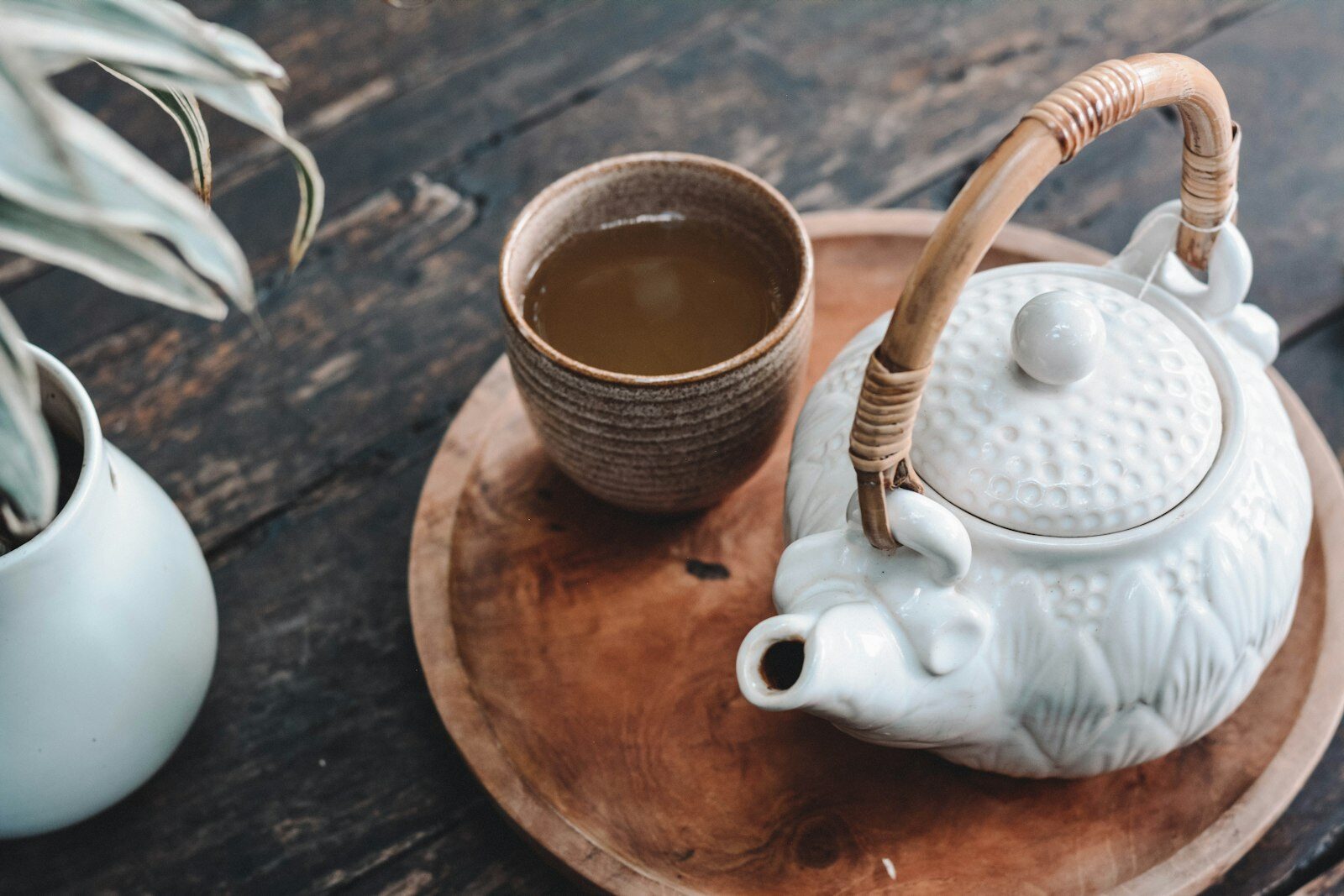
Instead of reaching for a sugary iced coffee at 3 PM (which can create a crash and generate internal heat), try this TCM-inspired ritual. Brew a large pot of chrysanthemum tea (菊花, jú huā). Use 8-10 dried flowers per 12 oz of hot water. Let it steep for 5 minutes. Pour it into a thermos and sip it slowly over the next hour. Chrysanthemum is a classic herb that clears heat from the head and eyes, calms the spirit, and is mildly diaphoretic (promotes gentle sweating to release heat). It’s nature’s gentle air conditioner for your body.
2. The One Cooling Food You Should Eat Weekly
Make mung bean soup (绿豆汤, lǜ dòu tāng) a weekly staple. Mung beans are legendary in Chinese culture for “clearing summer heat and detoxifying.” They’re not a myth; modern analysis shows they’re rich in antioxidants and have a cooling thermal nature. Here’s a simple recipe: soak 1 cup of dried mung beans for 2 hours. Add to a pot with 8 cups of water and 1-2 pieces of rock sugar (冰糖, bīng táng). Bring to a boil, then simmer for 45 minutes until the beans split. Eat the beans and drink the broth. For extra cooling if you have signs of heat, add 10-15 dried lotus seeds (莲子, lián zǐ) during simmering.
3. Cool Your “Windows to the Heat”
In TCM, the eyes are the sensory opening connected to the Liver, which is easily agitated by heat. If your eyes feel red, gritty, or strained in summer, it’s a direct sign of Liver heat rising. A quick fix: every evening, brew a pot of goji berry and chrysanthemum tea. Use 5-6 goji berries and 4-5 chrysanthemum flowers. Let it cool to room temperature, then soak two cotton pads in the tea and place them over your closed eyes for 10 minutes. The combination nourishes Yin and clears heat directly at the source.
Movement in the Heat: Don’t Stop, Just Shift
The instinct in summer is to stop moving. But stagnation breeds heat and dampness. The key is to shift your type and timing of movement.
Best Summer Movement: Water-based activities are ideal. Swimming, or even gentle aqua jogging for 30 minutes, directly mimics the action of clearing heat and draining dampness. If you’re not near water, practice Qigong or Tai Chi at dawn (before 8 AM). These slow, flowing movements are designed to circulate Qi and blood without generating excessive internal heat. Focus on movements that open the chest and promote deep, diaphragmatic breathing, like “Lifting the Sky” or “Pushing Mountains.”
Avoid: High-intensity interval training (HIIT) or marathon running in the midday sun. This is like throwing gasoline on a fire when your body is already dealing with external heat. If you must exercise, do it before 7 AM or after 7 PM, and for no longer than 45 minutes.
 qigong-park.jpg” alt=”body thermostat TCM – gentle movement in the morning sun”/>
The Acupressure Point for Instant Cooling
There is one acupressure point that acts as a direct pressure-release valve for heat: Large Intestine 11 (LI11), called Quchi (曲池). It’s located at the lateral end of your elbow crease when you bend your arm. Press firmly into the tender point with your opposite thumb for 1-2 minutes on each arm. You can do this 2-3 times a day when you feel overheated, irritable, or feverish. In acupuncture, this point is used to clear heat from the blood and reduce inflammation. It’s your built-in emergency cool button.
Foods to Embrace and Avoid: A Summer Guide
Your kitchen is your best pharmacy. Use this table as your summer shopping guide.
| Thermal Nature | Foods to Embrace | Foods to Minimize |
|---|---|---|
| Cooling & Moistening | Cucumber, watermelon (rind too!), pear, tofu, celery, lettuce, winter melon, pear juice, aloe vera gel (internal use) | |
| Cooling & Draining Dampness | Barley (薏米, yì mǐ), mung beans, adzuki beans, corn silk tea, lotus root, Job’s tears | |
| Neutral & Supportive | Sweet potato, rice, corn, pork, fish, carrots, beets, blueberries | |
| Warming & Use Sparingly | Ginger (in large amounts), lamb, cinnamon, chili peppers, fried foods, alcohol, very spicy dishes | |
| Hot & Best Avoided | Excessive red meat, deep-fried foods, very greasy takeout, strong black coffee |
A Critical Note on Ice: A common mistake is to drown the internal fire with ice-cold drinks and foods. While a brief relief, this constricts the stomach and spleen (your digestive Yang), impairing your ability to transform fluids. It can actually create more internal dampness and stagnation, making you feel worse in the long run. Room temperature or cool (not ice-cold) is the ideal.
The Summer Sleep Secret: Cooling Your Spirit
Summer nights can be the hardest. The long days and residual heat can lead to restlessness, vivid dreams, and difficulty falling asleep. This is often “Heart Fire” flaring up, disturbing the spirit (神, shén). Your evening ritual is crucial.
- Wind Down by 9 PM: The period between 9-11 PM is when the Triple Burner meridian is active, responsible for regulating water metabolism. Start dimming lights and avoiding screens.
- The Lavender & Mint Foot Soak: Before bed, soak your feet for 15 minutes in a basin of warm (not hot) water infused with 5 drops of lavender essential oil and 2 drops of peppermint essential oil. Lavender calms the spirit, while peppermint has a cooling effect that draws heat downward and out of the body.
- Food for Sleep: A small bowl of lotus seed and lily bulb soup (莲子百合糖水) 2 hours before bed is a classic TCM sleep tonic. Lotus seeds calm the spirit; lily bulbs moisten the lungs and clear heat. Simmer 20g dried lotus seeds and 15g dried lily bulbs in 3 cups of water for 40 minutes, adding a little rock sugar at the end.
“In summer, nourish the heart. The heart is the emperor, and in summer, its fire can blaze too brightly. Cool it gently with bitter greens, quiet rest, and joy—not with force.”
Common Questions
Isn’t all this “cooling” advice just for people who feel hot? I’m always cold.
Excellent question. This gets to the heart of TCM’s personalized approach. If you are constitutionally Yang-deficient (always cold, pale, fatigued), summer is actually your most supportive season. The external Yang energy can help bolster your internal fire. Your strategy is different: you should still avoid excessive heat and dampness, but you can enjoy warming foods in moderation (like a little ginger or lamb), focus on gentle movement to build Qi, and use summer to “stock up” on Yang energy for the winter. The key is balance, not a one-size-fits-all cooling.
How do I know if I have “Summer Heat” or just regular dehydration?
They can overlap, but Summer Heat has more systemic signs. Dehydration is primarily thirst and dark urine. Summer Heat includes that plus a heavy feeling in the head and body, irritability or anxiety, a feeling of oppression in the chest, and sometimes nausea or poor appetite. A TCM practitioner would also look at your tongue: a red tongue with a thick, greasy yellow coating is a classic sign of Summer Heat with dampness.
Can I practice these TCM cooling methods if I have a medical condition?
Many of these practices (like drinking chrysanthemum tea or foot soaks) are gentle and supportive. However, if you have a chronic condition, are pregnant, or are on medication, it’s wise to consult with a qualified TCM practitioner or your doctor before making significant dietary or herbal changes. For example, mung beans are very cooling and may not be suitable for someone with a very weak digestive system. Personalization is the cornerstone of true TCM.
The bottom line: Your body’s internal thermostat is a sophisticated, intelligent system that thrives on balance. By understanding the TCM principles of Yin, Yang, and Summer Heat, you can move beyond simply fighting the temperature. You can actively support your body’s innate ability to adapt, using specific foods, mindful movement, and simple rituals to stay cool, calm, and collected—no matter what the thermometer outside says.
This article is for educational purposes and reflects traditional wellness perspectives. It is not a substitute for professional medical advice, diagnosis, or treatment.