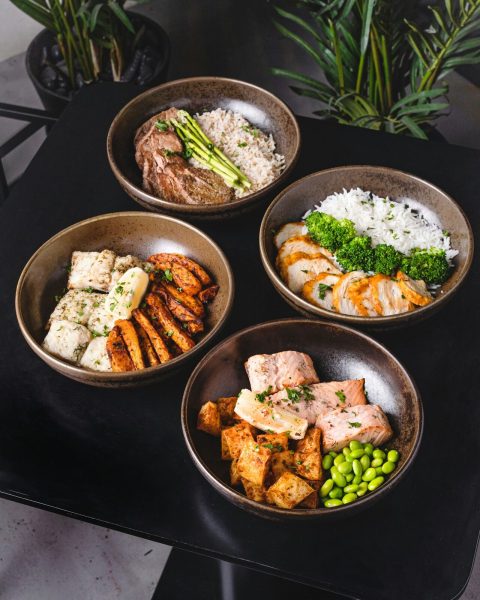
Summer is a time of vibrant energy, long days, and, for many of us, a welcome invitation to slow down and savor the warmth. Yet, as the sun climbs higher, it’s common to feel that internal heat build up—a sense of restlessness, irritability, or that sticky, heavy feeling that can dampen even the brightest afternoon. In Traditional Chinese Medicine (TCM), this is more than just a feeling; it’s a physiological state known as “Summer-Heat” or Shu. The wisdom of Chinese medicine offers a beautifully practical solution: aligning our diet with the season. By thoughtfully incorporating specific cooling foods in summer, we can harmonize our inner environment with the outer world, promoting balance, comfort, and vibrant health throughout the hottest months.
- The TCM View of Summer: Understanding Heat and the Body
- The Five Flavors and Cooling Foods: A TCM Food Map
- Top 10 Cooling Foods for Your Summer Pantry
- Beyond Raw Salads: Warming Methods to Protect Your Digestion
- A Day of Eating for Summer Cooling: Sample Meal Ideas
- Cooling Herbs and Teas to Enhance Your Practice
The TCM View of Summer: Understanding Heat and the Body
In TCM theory, summer is governed by the Fire element and is associated with the Heart organ system. The Heart is considered the “Emperor” of all organs, responsible for housing the mind (Shen) and governing blood circulation. When external heat is excessive, it can easily disturb the Heart Fire, leading to symptoms like anxiety, insomnia, excessive sweating, a flushed face, thirst, and a red tongue with a yellow coating. This is what we call “Summer-Heat” invading the body.
The goal isn’t to extinguish our internal warmth—our vital Yang energy—but to gently clear the excess, pathogenic heat. This is where dietary therapy, or Shi Liao, becomes such a powerful tool. Foods have their own inherent thermal natures and flavors. In summer, we lean toward foods that are cooling in nature, or those that generate fluids to moisten dryness caused by heat. This approach is proactive; it’s about eating in a way that supports the body’s natural cooling mechanisms before discomfort sets in.
“The superior doctor prevents illness; the mediocre doctor attends to impending illness; the inferior doctor treats actual illness.” — Huangdi Neijing (The Yellow Emperor’s Classic of Internal Medicine)
The Five Flavors and Cooling Foods: A TCM Food Map
TCM categorizes foods not just by their nutrients, but by their energetic properties: thermal nature (hot, warm, neutral, cool, cold) and flavor (sour, bitter, sweet, pungent, salty). For clearing summer heat, we focus on cool and cold natured foods, and especially the bitter and sweet flavors.
Bitter flavor has a natural ability to drain heat and dry dampness. Think of it as nature’s own “fire extinguisher.” Sweet flavor (not from refined sugar, but from naturally sweet foods) tonifies, harmonizes, and generates fluids—essential for replenishing what is lost through sweat. A diet rich in these flavors helps to cool the body, calm the spirit, and support the Spleen and Stomach, which can be easily weakened by cold, raw foods or icy drinks in summer.
| TCM Flavor | Action on the Body | Common Cooling Summer Foods |
|---|---|---|
| Bitter | Clears heat, drains dampness, calms the spirit. | Bitter melon, dandelion greens, romaine lettuce, asparagus, unsweetened green tea. |
| Sweet | Tonifies Qi, nourishes, generates fluids, harmonizes. | Watermelon, pear, cucumber, mung beans, tofu, sweet potato, rice, celery. |
Top 10 Cooling Foods for Your Summer Pantry
Let’s get practical. Here are ten powerhouse foods, easily found in most markets, that embody the TCM principle of eating to cool the body. Think of this as your summer wellness toolkit.
- Watermelon (Xi Gua): The quintessential summer fruit. It’s cold in nature, intensely sweet, and a supreme fluid-generator. It directly clears Summer-Heat and quenches thirst. Eat the red flesh and the white rind (the part closest to the green skin) can be juiced or added to salads for extra cooling benefits.
- Mung Beans (Lü Dou): A classic TCM remedy for heat. Mung beans are cool, sweet, and detoxifying. A simple mung bean soup or porridge is a time-honored way to prevent and alleviate heatstroke. They are also excellent for clearing skin eruptions caused by internal heat.
- Cucumber (Huang Gua): Cool and sweet, cucumbers are incredibly hydrating and help generate fluids. Their high water content makes them perfect for salads or infused water. In TCM, they are used to relieve thirst and irritability.
- Bitter Melon (Ku Gua): As its name suggests, it’s bitter and cold. This is one of the most potent foods for clearing intense heat and fire. Its bitter quality directly targets the Heart and Stomach fire. It can be stir-fried, juiced, or stuffed. Start with small amounts if you’re new to the flavor.
- Pears (Li): Cool, sweet, and wonderfully moistening. Pears are especially good for the Lungs, which can become dry and irritated in summer’s heat. They soothe a dry cough and nourish body fluids. Enjoy them raw, poached, or in a classic Chinese pear and rock sugar soup.
- Lotus Root (Ou): Slightly cool and sweet, lotus root is a versatile vegetable that clears heat and nourishes the blood. It’s wonderful in soups, stir-fries, or even juiced. Its ability to calm the spirit makes it particularly good for the Heart system in summer.
- Green Tea (Lü Cha): While all true teas come from the same plant, green tea is the least processed and therefore retains its cooling, bitter, and astringent properties. It’s a fantastic daily drink to clear internal heat, lift the mind, and aid digestion. Let it cool to room temperature for an even more cooling effect.
- Tomatoes (Fan Qie): Cool and slightly sour, tomatoes generate fluids and quench thirst. They are also mildly beneficial for the Liver. Enjoy them in salads, gazpacho, or lightly cooked.
- Celery (Qin Cai): Cool and slightly bitter, celery is excellent for clearing heat, especially heat that rises to the head, causing headaches or irritability. It also has a mild diuretic effect to help clear dampness.
- Tofu (Dou Fu): Made from soybeans, tofu is cool, sweet, and nourishing. It’s a great source of protein that doesn’t generate internal heat, making it ideal for summer meals. It harmonizes the stomach and generates fluids.
Beyond Raw Salads: Warming Methods to Protect Your Digestion
This is a crucial point that often gets overlooked. While it’s tempting to eat only raw, cold foods in summer, this can backfire. In TCM, the Spleen and Stomach (our digestive system) are considered the “Root of Post-Heaven Qi.” They thrive on warmth and are easily damaged by excess cold. If we overload our system with iced drinks and giant raw salads, we can weaken our digestion, leading to bloating, fatigue, and loose stools—even in the heat of summer.
The key is balance. We can eat cooling foods while using gentle cooking methods to make them easier on our digestive fire (Wei Yang). This is especially important for those with already weak digestion (a “Cold” constitution).
- Light Steaming: Perfect for vegetables like broccoli, bok choy, and asparagus. It preserves their cooling nature while making them more digestible.
- Quick Stir-Frying: A fast sauté with a small amount of neutral oil (like avocado) can make cooling vegetables like celery or bitter melon more palatable without overheating them.
- Soups and Congees: This is the TCM superpower for summer. A light broth or congee (rice porridge) with cooling ingredients like mung beans, winter melon, or cucumber allows for maximum nutrient absorption with minimal digestive effort. It’s hydrating and deeply nourishing.
- Room Temperature: Let hot foods cool slightly, and let cold foods (like fruit) come to room temperature before eating. Avoid ice-cold drinks and foods directly from the refrigerator.

A Day of Eating for Summer Cooling: Sample Meal Ideas
Putting theory into practice is where the magic happens. Here’s what a day of mindful, cooling eating might look like, incorporating the principles and foods we’ve discussed.
Breakfast: Start gently with a bowl of mung bean congee. Simply cook a small handful of mung beans with white rice in plenty of water until it’s soft and soupy. You can add a few slices of fresh ginger to protect your stomach from the beans’ cool nature. Alternatively, enjoy a bowl of room-temperature pear and oatmeal porridge.
Lunch: A light, cooling meal is ideal. Try a tofu and cucumber salad with a light sesame-ginger dressing. Serve it with a side of steamed lotus root slices. Another great option is a tomato and egg drop soup—the eggs are neutral and provide protein, while the tomatoes cool and generate fluids.
Snack: Hydrate and cool down with slices of watermelon or a pear. Sip on brewed green tea that has been allowed to cool to room temperature.
Dinner: Keep it simple and nourishing. A stir-fry of bitter melon with scrambled eggs is a classic heat-clearing dish. Pair it with a small bowl of plain rice and a side of lightly blanched bok choy. For those who prefer less bitterness, a winter melon and lean pork soup is a wonderful, sweet, and cooling alternative.
Cooling Herbs and Teas to Enhance Your Practice
Beyond food, several common herbs can be incorporated as teas or light infusions to amplify your cooling efforts. These are generally safe for short-term use during hot spells.
- Chrysanthemum Tea (Ju Hua Cha): This beautiful flower is cool and sweet. It’s famous for clearing heat from the head and eyes—perfect for soothing irritated eyes from summer pollen or screen time. It also calms the Liver, helping with irritability.
- Goji Berry and Chrysanthemum Tea: Combine a few goji berries (which are neutral and nourish Yin) with chrysanthemum flowers for a tea that clears heat while gently nourishing the body’s fluids.
- Peppermint Tea (Bo He Cha): Peppermint is cool and pungent. Its pungency helps to release the exterior, making it great for the very beginning of a heat-induced headache or for clearing the mind. It’s very refreshing, but those with significant night sweats should use it sparingly as it can be too dispersing.
- Barley Tea (Mai Ya Cha): A staple in many Asian countries, roasted barley tea is neutral to slightly cool, sweet, and aids digestion. It’s caffeine-free and wonderfully refreshing served cold (though room temperature is better for digestion).
Common Questions
Can I eat cooling foods if I have a “cold” constitution?
Absolutely, but with mindfulness. If you tend to feel cold, have cold hands and feet, or have loose stools, your constitution may skew toward “Cold” or “Yang Deficient.” This doesn’t mean you should avoid cooling foods in summer—you still need to counteract the environmental heat. The strategy is to cook them more often (steaming, souping) and pair them with warming ingredients. For example, add a few slices of fresh ginger or a pinch of cinnamon to your mung bean soup, or stir-fry your bitter melon with garlic and ginger. Listen to your body; if a food makes you feel uncomfortably cold or bloated, adjust the preparation or quantity.
How much watermelon is too much? It feels like I can’t stop eating it!
Watermelon is a wonderful gift of summer, but it is very cold and extremely sweet. For most people, enjoying a few slices (say, 1-2 cups of cubed fruit) after a meal is perfectly fine. Overindulgence, especially on an empty stomach or late at night, can overwhelm the Spleen’s function, leading to bloating, water retention, or even a feeling of lethargy. The key is moderation. If you find yourself craving it excessively, it might signal that your body is quite heat-depleted or that your fluids are very low. Balance it with other fruits like pear or apple.
Are iced drinks ever okay in TCM?
From a strict TCM perspective, iced drinks are generally discouraged because they directly extinguish the digestive fire of the Spleen and Stomach, impairing transformation and transportation. This can lead to immediate issues like bloating and long-term issues with dampness accumulation. However, we live in the real world. If you choose to have an iced drink, do so occasionally, in small amounts, and ideally not with a meal. A better alternative is to brew your tea or make your infused water and let it cool to room temperature, or chill it just slightly. This provides the sensation of refreshment without the extreme thermal shock to your system.
The bottom line: Embracing cooling foods in summer through the lens of TCM is a practice of gentle alignment, not rigid restriction. It’s about choosing foods that help your body shed excess heat, replenish fluids, and maintain the delicate balance of your inner ecosystem. By favoring bitter and sweet flavors, using mindful cooking methods, and listening to your body’s unique signals, you can navigate the season with greater comfort, energy, and vitality. Let your plate become your most trusted wellness tool.
This article is for educational purposes and reflects traditional wellness perspectives. It is not a substitute for professional medical advice, diagnosis, or treatment.