There’s a particular kind of tiredness that settles into your bones by late July. It’s not the satisfying ache of a long hike or the cozy heaviness after a good meal. It’s a flat, hollowed-out exhaustion — your appetite fades, your sleep feels restless even when you get eight hours, and your motivation seems to evaporate along with the puddle on the sidewalk. In Traditional Chinese Medicine, this isn’t just “feeling hot.” It’s a recognized pattern called summer qi depletion, and understanding it can transform how you move through the warmest months of the year.
What Is Qi, and Why Does Summer Drain It?
Let’s start with the basics, because if you didn’t grow up with this framework, “qi” can sound abstract. Qi (pronounced “chee”) is your body’s functional energy — the force that drives digestion, keeps your heart beating, powers your thoughts, and maintains your body temperature. Think of it like the electricity in your house. It’s invisible, but everything runs on it. When the power supply dips, the lights flicker, the fridge struggles, and your Wi-Fi drops.
In TCM, summer corresponds to the Fire element and is associated with the Heart organ system. It’s the season of maximum yang — the most expansive, outward, active energy of the entire year. The days are long, the heat is intense, and your body is working overtime just to regulate its internal temperature. You’re sweating more, which means you’re losing fluids and electrolytes. Your cardiovascular system is working harder. Your metabolism shifts. All of this costs qi.
Here’s the paradox: summer feels like it should be energizing. The sun is out, people are active, life is social. But that very outwardness — the constant doing, the late nights, the exposure to heat — is precisely what depletes you. In TCM, we say that “excessive yang consumes yin.” Your cooling, moistening, restorative reserves get burned through like ice in a glass of warm water.
“In summer, the qi of heaven and earth are in full bloom. One should retire late and rise early, not resent the sun.” — Huangdi Neijing (Yellow Emperor’s Classic of Internal Medicine), written over 2,000 years ago
That ancient text goes on to warn that failing to nourish yourself properly in summer damages the Heart system and leaves you vulnerable when autumn arrives. This isn’t superstition — it’s a remarkably practical observation about seasonal adaptation that modern physiology actually supports.
The Telltale Signs Your Qi Is Running Low
Summer qi depletion doesn’t always look like obvious exhaustion. It can be subtle, sneaky, and easy to dismiss as “just the heat.” Here’s what to watch for:
- Digestive sluggishness. You feel bloated, your appetite is unpredictable, or food just sits in your stomach. In TCM, the Spleen system (which governs digestion and energy production) is particularly vulnerable to dampness and heat.
- Scattered or anxious thoughts. The Heart system in TCM houses the mind (Shen). When Heart qi is depleted, you may feel mentally restless, easily startled, or unable to focus — even though you’re physically tired.
- Excessive sweating beyond normal activity. A little sweat during a workout is healthy. Drenching yourself while sitting still, or waking up with night sweats, signals your body is losing fluids it can’t afford to lose.
- Shortness of breath or a feeling of heaviness in the chest. This suggests your Lung qi is being taxed by the heat and humidity.
- Craving sugar, iced drinks, or stimulants. Your body is searching for quick energy because it can’t generate enough on its own.
- Poor sleep despite fatigue. Falling asleep easily but waking at 2 or 3 a.m. — especially with a racing heart or feeling of heat — is a classic sign of Heart yin deficiency.
- Getting sick when the weather breaks. That late-summer cold or early-autumn flu often traces back to qi reserves that were emptied during the heat.
If you recognize three or more of these patterns, you’re likely dealing with some degree of summer qi depletion. The good news? TCM has been refining its approach to this exact problem for millennia.
The TCM Framework: Heat, Dampness, and the Spleen
To really understand why summer hits so hard, it helps to grasp two pathogenic factors that TCM identifies as summer’s signature villains: Heat and Dampness.
Heat is obvious — the external temperature, sun exposure, and the internal inflammation that follows. Heat agitates fluids, drives sweating, disturbs the Heart, and speeds up metabolic processes until they burn through resources faster than you can replenish them. Think of it like running your car engine at full throttle in a desert. It works, but it overheats and uses fuel at an alarming rate.
Dampness is the less obvious partner. In humid climates — and in any environment where you’re moving between scorching outdoor heat and frigid air conditioning — your body struggles to process fluids properly. Instead of clean, usable moisture circulating through your system, you develop what TCM calls “internal dampness”: a sluggish, heavy, fog-like accumulation that clogs your digestive system, makes your limbs feel heavy, clouds your thinking, and creates that sticky, uncomfortable feeling that goes beyond simple heat.
The Spleen system is the organ most affected. In TCM, the Spleen is responsible for transforming food and drink into usable qi and transporting fluids. When it’s overwhelmed by heat and dampness, the entire production line of energy slows down. This is why summer digestive complaints are so common — and why they’re so closely linked to fatigue.
| TCM Pattern | Primary Symptoms | Common Triggers | Best Approach |
|---|---|---|---|
| Summer-Heat (暑热) | High thirst, irritability, headache, fever, dark urine | Direct sun exposure, overexertion in heat | Clear heat, generate fluids |
| Spleen Qi Deficiency + Dampness | Bloating, fatigue, loose stools, heavy limbs, foggy thinking | Cold/raw food, ice drinks, humid environments, overthinking | Strengthen Spleen, resolve dampness |
| Heart Yin Deficiency | Insomnia, anxiety, palpitations, night sweats, restlessness | Emotional stress, overwork, poor sleep, stimulant overuse | Nourish Heart yin, calm Shen |
| Qi and Yin Dual Deficiency | Chronic fatigue, shortness of breath, dry mouth, spontaneous sweating | Extended heat exposure without recovery, illness | Tonify qi and yin simultaneously |
Foods That Recharge Your Summer Qi
This is where TCM gets wonderfully practical. Your kitchen is your first pharmacy, and in summer, the goal is to eat foods that clear heat, generate fluids, support the Spleen, and gently replenish qi without creating more dampness. Here’s how:
Cool and room-temperature are your friends. Ice is not. This is the single most counterintuitive piece of advice for Western readers. Yes, it’s hot. Yes, iced water feels amazing. But in TCM, extreme cold damages Spleen yang — the very digestive fire you need to produce energy. Drink room-temperature water. Add a few slices of cucumber or watermelon rind for a naturally cooling infusion. Your digestion will thank you.
Build your meals around these qi-nourishing summer foods:
- Mung beans — The queen of summer foods in Chinese tradition. Mung bean soup (not the sweet dessert version, but a simple savory broth) clears heat and detoxifies. Boil a cup of dried mung beans in eight cups of water until soft, add a pinch of salt, and sip throughout the day.
- Watermelon — Not just a snack; in TCM it’s a heat-clearing food with a proper name: 西瓜 (xī guā), literally “west melon.” Eat the red flesh for fluids, and don’t throw away the white rind — it’s actually the most potent part for clearing summer heat. Shave it into salads or stir-fry it lightly.
- Lotus root — Cooling, nourishing to the Stomach, and excellent for generating fluids. Slice it thin, blanch it, and dress with rice vinegar and a touch of sesame oil.
- Job’s tears (barley, yi yi ren) — A powerhouse for draining dampness without being harsh. Cook it like rice or simmer it into a porridge with a few red dates.
- Cucumber, bitter melon, and leafy greens — All cooling, all supportive of fluid balance.
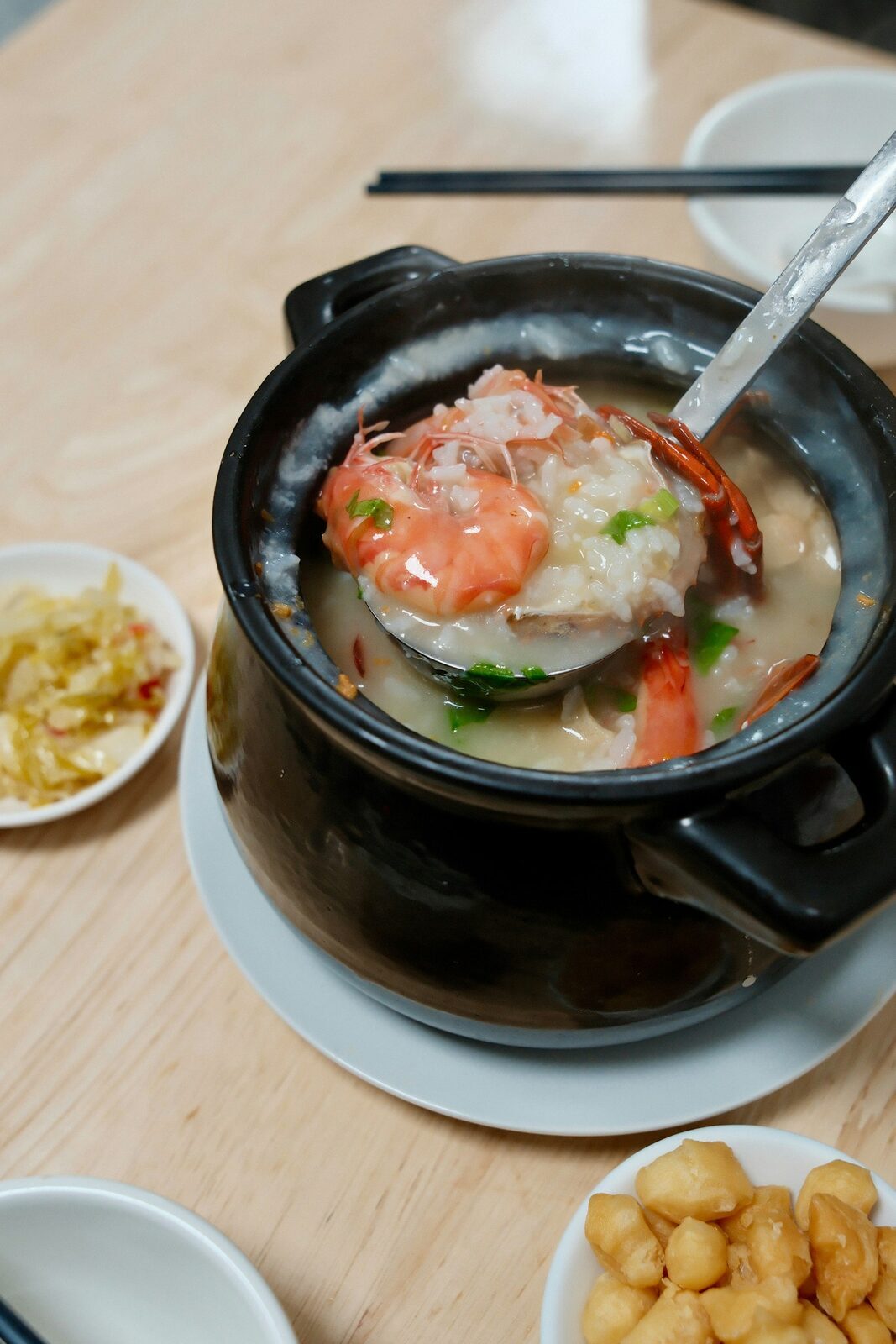
- Congee (rice porridge) — The ultimate Spleen-friendly food. It’s pre-digested by the cooking process, meaning your body barely has to work to extract nutrients. In summer, make it with a base of rice and add things like goji berries, lotus seeds, or a drizzle of honey.
Reduce or avoid: greasy and fried foods (they generate dampness), excessive raw food and salads (hard on the Spleen), too much spicy food (adds internal heat), alcohol (depletes yin and generates heat), and heavy red meat meals (difficult to digest in high heat).
Daily Habits That Protect Your Energy in the Heat
Recharging your qi isn’t just about what you eat. It’s about how you structure your day. Here are the habits that make the biggest difference:
Respect the midday rest. In many Chinese households — and across much of Asia and the Mediterranean — a midday rest or nap is non-negotiable in summer. This isn’t laziness; it’s wisdom. The period between 11 a.m. and 1 p.m. corresponds to the Heart meridian’s peak hours in the TCM organ clock. Resting during this window directly supports your Heart qi. Even 15 to 20 minutes of lying down with your eyes closed can be profoundly restorative. You don’t need to sleep — just stop.
Adjust your sleep schedule. The ancient texts say to “retire late and rise early” in summer — meaning stay up slightly later (not midnight-late, but perhaps 10:30 instead of 9:30) and wake with the sun. This aligns your body with the longer light cycle. The critical part is getting to bed before 11 p.m., because in the TCM clock, 11 p.m. to 1 a.m. is the Gallbladder meridian’s time — essential for decision-making and the beginning of yang energy regeneration.
Move gently, not violently. Summer is not the season for crushing high-intensity workouts every day. Your body is already managing a massive heat load. Shift toward walking (especially in the cooler morning hours), swimming, tai chi, gentle yoga, or qigong. If you do exercise hard, do it early and replenish fluids immediately — not with sugary sports drinks, but with water that has a pinch of sea salt and a squeeze of lemon.
Manage your environment mindfully. The constant cycle between blazing outdoor heat and aggressive air conditioning is brutal on your system. Each transition forces your body to rapidly adjust, which costs qi. If you work in an office, keep a light cardigan at your desk. At home, use fans before you reach for the AC, and keep the temperature difference moderate. When you come inside from heat, resist the urge to immediately blast cold air on yourself or chug ice water. Give your body a few minutes to transition.
Hydrate with intention, not just volume. Gulping large amounts of plain water can actually dilute your digestive fluids and worsen Spleen qi deficiency. Instead, sip consistently throughout the day. Add electrolytes naturally: a few slices of citrus, a sprig of mint, or a traditional Chinese approach — barley water or chrysanthemum tea, both of which are cooling and gently support fluid metabolism.

Simple Acupressure and Herbal Allies
You don’t need to be an acupuncturist to work with these points. Acupressure — pressing firmly with your thumb or fingertip for one to two minutes — can offer real relief when you’re feeling drained.
Stomach 36 (Zusanli, 足三里) — Located about four finger-widths below the kneecap, one finger-width lateral to the shinbone. This is the single most famous qi-tonifying point in all of Chinese medicine. Press it when you feel fatigued, bloated, or just “off.” It strengthens the Spleen and Stomach, boosts immunity, and supports overall vitality. You can massage both legs simultaneously while sitting at your desk.
Pericardium 6 (Neiguan, 内关) — On the inner wrist, about three finger-widths from the wrist crease, between the two tendons. This calms the Heart, eases anxiety and palpitations, and settles the Shen. It’s particularly helpful if your summer depletion manifests as restlessness, insomnia, or emotional overwhelm.
Heart 7 (Shenmen, 神门) — On the wrist crease, on the pinky side, in the small depression just inside the tendon. The name literally means “Spirit Gate.” Press this point before bed to calm a racing mind and improve sleep quality.
For herbal support, a few time-tested options are widely available:
- Chrysanthemum tea (菊花茶) — Cooling, clears Liver and Heart heat, brightens the eyes. Drink it daily as a refreshing iced-free summer beverage.
- Goji berries (枸杞子) — Nourish yin, benefit the eyes, support Kidney and Liver. Add a small handful to your morning congee or steep them in hot water with chrysanthemum flowers for the classic “Two Heroes” tea.
- Astragalus root (黄芪) — The premier qi-tonifying herb. Simmer a few slices in soups or congee. It’s warming, so use it in moderation during peak heat, but it’s excellent for rebuilding depleted energy.
- American ginseng (西洋参) — Unlike Asian ginseng, which is warming, American ginseng is cooling and nourishes both qi and yin — making it ideal for summer depletion specifically. Steep a few slices in hot water for a simple daily tonic.
A note of caution: herbs are medicine. If you’re pregnant, nursing, on medication, or managing a health condition, consult a qualified practitioner before adding herbal supplements to your routine.
The Emotional Side of Summer Exhaustion
Here’s something that often gets overlooked: in TCM, the Heart doesn’t just govern circulation. It houses your Shen — your spirit, your sense of self, your emotional center. When summer heat depletes Heart qi and yin, the emotional effects can be just as disruptive as the physical ones.
You might feel uncharacteristically anxious. You might have trouble falling asleep because your mind won’t stop spinning. You might feel a vague sense of joylessness even though everything in your life is objectively fine. You might snap at people you love over small things, then feel confused about why you reacted so strongly.
This isn’t a character flaw. It’s physiology — understood through a lens that Western medicine is only beginning to explore (the gut-heart-brain axis, circadian disruption, heat-related neurotransmitter changes). TCM mapped this territory long ago.
The antidote is not to push harder. It’s to create small pockets of stillness — what we might call “cooling the Shen.” Sit in a garden. Listen to water. Practice five minutes of slow breathing with your hands resting on your lower abdomen. Write in a journal before bed. These aren’t luxuries; in summer, they’re maintenance.
Common Questions
Is summer qi depletion the same as heat exhaustion or heat stroke?
Not exactly. Heat exhaustion and heat stroke are acute medical emergencies requiring immediate intervention — heavy sweating, confusion, rapid pulse, potential loss of consciousness. Summer qi depletion, as understood in TCM, is a slower, more gradual pattern of energy decline that develops over weeks or months of heat exposure, lifestyle imbalance, and inadequate nourishment. Think of it as the chronic undercurrent beneath the acute crisis. That said, if you experience symptoms of heat stroke — dizziness, cessation of sweating despite extreme heat, disorientation — seek medical attention immediately. TCM and Western medicine are not in competition here; they address different layers of the same problem.
I live somewhere very humid. Does that make summer qi depletion worse?
Significantly, yes. Humidity adds the dampness factor to the heat factor, creating a double burden on your Spleen system. In TCM, we say that dampness is “heavy and turbid” — it obstructs the smooth flow of qi, clogs digestion, and makes everything feel harder. If you live in a humid climate, prioritize dampness-resolving foods like barley, adzuki beans, corn silk tea, and cooked bitter melon. Minimize dairy, cold smoothies, and excessive raw fruit, all of which can contribute to internal dampness. And pay extra attention to ventilation and airflow in your living space — stagnant, humid air is itself a pathogenic factor.
Can I still drink coffee in the summer if my qi is depleted?
You can, but with awareness. Coffee is warming and stimulating — it gives you a temporary boost by mobilizing your existing qi reserves. If your reserves are already low, you’re essentially borrowing energy from tomorrow to pay for today, with interest. If you enjoy coffee, limit it to one cup in the morning (before 10 a.m. ideally), and never on an empty stomach. Pair it with a nourishing breakfast. If you notice increased anxiety, heart palpitations, or afternoon crashes, that’s your body telling you it’s overdrawn. Consider swapping one cup for roasted barley tea or chrysanthemum tea — both are gently energizing without the depletion trade-off.
The bottom line: Summer qi depletion is real, it’s cumulative, and it’s deeply connected to how you eat, sleep, move, and manage your emotional life during the hottest months. The solutions aren’t complicated — room-temperature hydration, Spleen-friendly foods, midday rest, gentle movement, and a few minutes of acupressure — but they do require you to stop treating summer like a season to power through and start treating it like a season to flow with. Your body isn’t designed to run at full throttle in extreme heat. Give it what it needs, and it will carry you through summer with energy to spare.
This article shares traditional perspectives and personal experience for general interest. It is not professional advice — please use your own judgment and consult a qualified professional when needed.