There’s a particular quality to the air in early June, isn’t there? The long, slow evenings, the hum of cicadas, the way the sunlight seems to hang in the sky just a little longer. For me, this shift has always been more than just a change in the calendar; it’s a palpable change in energy. My grandmother used to say that in summer, “the world’s qi rises to the surface,” much like the sap in a tree pushing out to its leaves. This is the essence of summer qi energy—a vibrant, expansive, and outward-focused force that mirrors the season itself. Understanding this shift isn’t just poetic; it’s the key to staying balanced, energized, and healthy when the heat is on.
- What Exactly Is Summer Qi Energy?
- The Heart-Fire Connection: Why Summer Qi Affects Your Mind and Mood
- Practical Guide: How to Balance Your Summer Qi Energy
- A Deeper Dive: The Yin-Yang of Summer Hydration
- Summer Qi in the Kitchen: Cooling Foods That Actually Work
- Listening to the Signs: What Your Body Tells You About Summer Qi
- Common Questions About Summer Qi Energy
What Exactly Is Summer Qi Energy?
In Traditional Chinese Medicine (TCM), qi is our vital life force—the energy that flows through us and animates our every function. It’s not static; it ebbs and flows with the rhythms of nature. Summer qi energy is characterized by its Yang nature: it’s hot, active, bright, and expansive. Think of it like the peak growth phase of a plant. All its energy is directed outward to produce flowers and fruit. Similarly, our body’s qi moves to the surface during summer. Our pores open more readily to sweat, our circulation becomes more superficial, and our inner reserves can become more vulnerable.
This is why you might feel more social, energetic, and inclined to be outdoors—it’s the qi calling you out. But it’s also why you might feel more easily depleted, irritable, or prone to summer colds and digestive issues. The heat doesn’t just make you sweat; it can literally “steal” your body’s moisture and cooling, Yin energy if you’re not mindful. My teacher once explained it with a simple analogy: your body is like a house. In winter, you keep the doors and windows shut, preserving the heat inside. In summer, you throw them open to let the breeze in. That’s great for ventilation, but it also means the energy (and heat) from outside has much easier access to your inner sanctum.
“In summer, nourish the Heart and calm the Spirit. The Heart is the Emperor of the body, and it is most active in this season. Give it what it needs, and the whole kingdom thrives.”
This ancient wisdom points directly to our next key concept: the Organ connection.
The Heart-Fire Connection: Why Summer Qi Affects Your Mind and Mood
In the Five Element theory of TCM, summer corresponds to the Fire element, and its associated Organ is the Heart (which encompasses the mind and spirit in TCM). When summer qi energy is in full swing, it naturally stokes our Heart-Fire. This can be wonderful: it fuels joy, passion, connection, and laughter. You might find yourself feeling more open-hearted and expressive.
But when this Fire burns too hot, or when it’s not balanced with enough cooling, Yin nourishment, it can flare up. This often manifests as:
- Restlessness and insomnia: The mind won’t quiet down at night, with racing thoughts or vivid dreams.
- Heart palpitations or anxiety: A feeling of fluttering or unease in the chest.
- Excessive sweating (especially night sweats): The body’s attempt to cool the internal heat.
- Irritability and impatience: A short fuse, often over small things.
- Mouth sores or a red, tip-of-the-tongue appearance: Classic signs of Heart-Fire rising.
So, the goal isn’t to extinguish your summer fire—far from it! It’s to tend it carefully, like a skilled gardener, ensuring it provides warmth and light without scorching the earth. This means actively incorporating cooling, moistening, and spirit-calming practices into your daily life.
Practical Guide: How to Balance Your Summer Qi Energy
Balancing summer qi energy is all about harmonizing with the season’s demands. Here’s a concrete, actionable table to guide your daily choices.
| Category | Summer Qi Action | Specific Examples & Why It Works |
|---|---|---|
| Eating | Favor cool, hydrating, bitter, and slightly sweet foods. | Cooling foods: Cucumber, watermelon (in moderation), mint, celery, mung beans, pear, green tea. Bitter foods (clear Heart-Fire): Romaine lettuce, bitter melon, arugula, dandelion greens, dark chocolate (70%+). Sweet foods (nourish Yin): Sweet potato, corn, rice, cherries, peach. |
| Drinking | Hydrate with room-temperature or cool liquids; avoid ice-cold. | Herbal teas: Chrysanthemum, peppermint, or a simple barley tea. Infused water: Add slices of cucumber, lemon, and a few mint leaves to a pitcher of water. Why: Ice-cold drinks shock the Spleen and Stomach, impairing digestion and creating dampness. Room-temp hydrates without taxing your system. |
| Movement | Shift to gentler, morning, or evening movement. Avoid peak heat. | Morning: A 20-minute walk or gentle Tai Chi/Qigong before 10 AM. Evening: Yin yoga or leisurely cycling after 6 PM. Avoid: Intense noon workouts, marathon running in heat. This prevents excessive sweat loss (which depletes Qi and Yin) and over-stimulation of the Heart. |
| Sleep | Align with the long days but protect your rest. | Wake earlier, around 6-7 AM. Consider a short 20-30 minute nap (especially between 11 AM – 1 PM, the Heart’s peak time) to replenish energy. Keep your bedroom cool and dark. Use cotton sheets. |
| Mind & Spirit | Actively calm and cool the mind. Foster joy without mania. | Evening ritual: 10 minutes of slow, deep breathing before bed (try 4-7-8 breathing). Journaling: Write down three things that brought you simple joy that day. Socialize wisely: Choose smaller, calmer gatherings over loud, crowded events to avoid overstimulation. |
A Deeper Dive: The Yin-Yang of Summer Hydration
We’re told to drink more water in summer, and that’s true. But in TCM, it’s not just about quantity; it’s about quality and timing. This is where the concept of Yin and Yang becomes beautifully practical. Yang is the heat, activity, and outward energy of summer. Yin is the cool, moist, quiet, and inward energy that must balance it.
Sweating is a Yang process—it’s your body’s Yang energy (heat) pushing fluids out to cool you. But excessive sweating, from heat or overexertion, doesn’t just lose water. It depletes your body’s precious Yin fluids and Qi. This is why you can drink gallons of water and still feel parched or tired. The water isn’t being transformed into usable Yin; it’s just passing through.
The key is to drink fluids that nourish Yin directly.
- Mung Bean Soup (Lǜ Dòu Tāng): A classic summer cooling tonic. Boil ½ cup of dried mung beans in 4 cups of water for 40 minutes until soft. You can add a few pieces of rock sugar (about 1 tbsp) at the end. Drink the broth cool or at room temperature. It clears heat and gently supports digestion.
- Watermelon Rind Tea: Don’t throw away the white part of the watermelon rind! Simmer the chopped white rind (from about ¼ of a melon) in 3 cups of water for 20 minutes. Strain and sip. It’s a mild diuretic that helps clear summer dampness without being harsh.
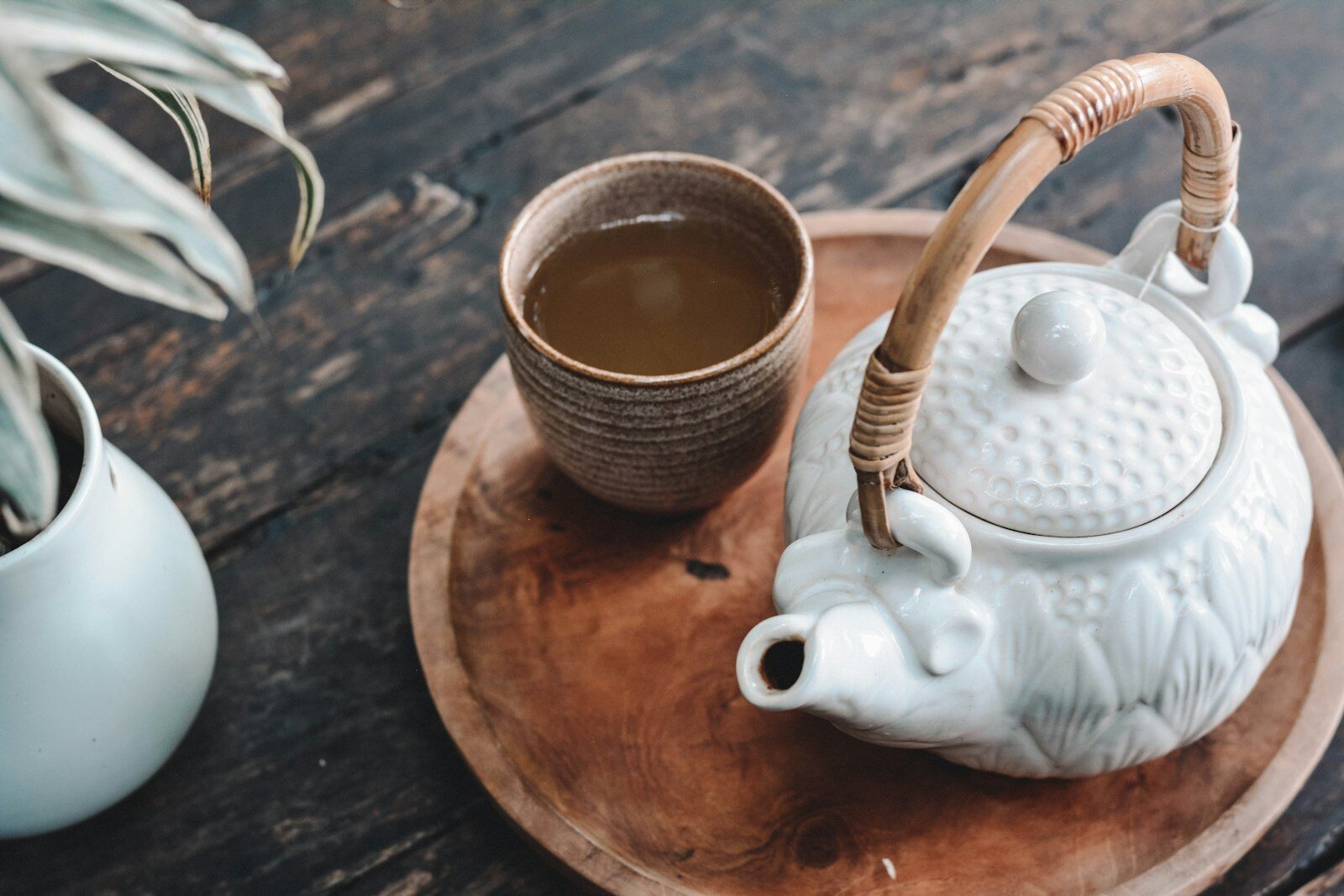
- Chrysanthemum & Goji Berry Tea (Jú Huā Gǒu Qǐ Chá): Steep 5-6 dried chrysanthemum flowers and a small pinch (about 1 tsp) of goji berries in hot water for 5 minutes. This cools the Liver and brightens the eyes, which can get strained from summer brightness and screen use.

Summer Qi in the Kitchen: Cooling Foods That Actually Work
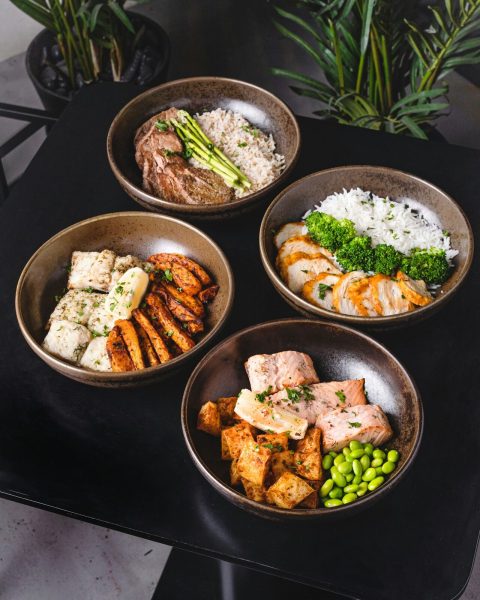
My mother’s kitchen in summer was a temple of cooling. The blender was always humming with fresh mung bean or barley drinks, and the table was laden with simple, refreshing dishes. Food is your first and best medicine. Here’s a sample day of eating to support your summer qi energy:
Breakfast (7-9 AM): A small bowl of congee (rice porridge) made with a 1:8 rice-to-water ratio, topped with sliced cucumber, a few drops of sesame oil, and a pinch of sea salt. Congee is incredibly easy to digest and hydrating—it’s like giving your digestive system a gentle morning hug.
Lunch (11 AM-1 PM): A large salad with a base of romaine lettuce (bitter), spinach, and arugula. Add shredded cooked chicken breast or baked tofu for protein, sliced pear, walnuts, and a light dressing of lemon juice, olive oil, and a touch of honey. The bitter greens directly clear Heart-Fire.
Afternoon Snack (3-4 PM): A handful of cherries or a peach. These are sweet, juicy fruits that nourish Yin fluids. Avoid watermelon on an empty stomach, as it can be too cooling for some.
Dinner (6-7 PM): Steamed white fish (like cod) with ginger and scallions, served with a side of sautéed zucchini and a small portion of barley or brown rice. Barley is a superb grain for summer—it’s cooling and helps drain dampness.
Evening: A cup of the Chrysanthemum & Goji tea mentioned above.
Listening to the Signs: What Your Body Tells You About Summer Qi
Your body is constantly communicating. In summer, these signals are often louder. Paying attention is a core practice of mindful living. If you experience the following, it’s a clear sign your summer qi is out of balance and you need to adjust:
- Afternoon fatigue that hits like a wall (especially 1-3 PM): This is your Spleen and Stomach (Earth element) struggling with dampness from the heat. Cut back on cold drinks, raw salads, and sugary snacks. Opt for the congee or a warm soup instead.
- A constant feeling of being overheated, even in a cool room: This suggests internal heat isn’t being cleared. Increase bitter greens and cooling teas like chrysanthemum. Try a foot soak in cool water with a few drops of peppermint essential oil before bed.
- Skin breakouts or a rash that appears in the heat: This is often heat and toxins rising to the surface. Ensure you’re sweating appropriately (not suppressing it with AC 24/7) and consider adding chlorophyll-rich foods like parsley or wheatgrass juice.
- Feeling scattered, anxious, or unable to focus: Classic Heart-Fire agitation. Your evening breathing practice (4-7-8) becomes non-negotiable. Also, try placing a slice of cool cucumber on each closed eyelid for 10 minutes in the evening—a simple, direct way to draw heat down.
Common Questions About Summer Qi Energy
Is it true I should avoid iced drinks in summer? That seems counterintuitive.
Yes, this is one of the most practical (and initially surprising) pieces of TCM summer advice. From a Chinese perspective, your Spleen and Stomach (your digestive “engine”) prefer warmth to function optimally. A sudden influx of ice-cold liquid dampens this digestive fire, leading to bloating, fatigue, and poor nutrient absorption. It can also create internal “dampness,” which feels like heaviness and fogginess. The solution isn’t to drink hot soup in a heatwave, but to aim for cool or room-temperature fluids. Let a pitcher of infused water sit on the counter for an hour instead of loading it with ice. Your digestion will thank you.
Why do I get more headaches in the summer?
Summer headaches are often a direct result of summer qi energy imbalances. The most common causes are: 1) Heat rising: Excess internal heat, often from diet or emotion, travels upward to the head. 2) Dehydration: Not just a lack of water, but a depletion of Yin fluids, causing the brain’s “lubrication” to dry out. 3) Qi stagnation from heat stress: The heat can cause tension in the neck and shoulders, blocking the smooth flow of qi and blood to the head. Actionable fix: Sip chrysanthemum tea throughout the day, ensure you’re eating the hydrating foods listed, and take 5-minute breaks every hour to gently roll your neck and shoulders.
My grandmother always said to eat more bitter melon in summer. Is there science behind that?
Absolutely! Your grandmother’s wisdom is spot-on, and modern science is catching up. Bitter melon (Momordica charantia) is a powerhouse for summer. In TCM, its bitter nature directly clears Heart-Fire and summer heat. Nutritionally, it’s rich in vitamin C, potassium, and compounds like charantin and polypeptide-p, which have been studied for their role in supporting healthy blood sugar levels—a common struggle when we crave more sweets in summer. It’s a true functional food. If you find it too bitter, try slicing it thinly, salting it for 15 minutes, then rinsing before stir-frying with garlic and a splash of soy sauce. The salt helps draw out some bitterness.
The bottom line: Summer qi energy is a powerful, natural force that invites us outward. By consciously eating cooling, bitter, and hydrating foods; drinking room-temperature fluids; moving gently in the cooler parts of the day; and actively calming our minds with breathing and joy, we don’t just survive the summer—we thrive with it. We align our personal rhythm with the grand rhythm of nature, and in doing so, we find a deeper, more sustainable vitality.
This article is for educational purposes and reflects traditional wellness perspectives. It is not a substitute for professional medical advice, diagnosis, or treatment.