There’s a particular kind of stillness that settles over a Chinese household on a sweltering summer afternoon. I remember it vividly from my childhood: the hum of the ceiling fan, the faint scent of mung bean soup cooling on the stove, and my grandmother, sitting perfectly upright in her chair, seemingly unbothered by the heat. “Your qi is rising with the sun,” she’d tell me, pressing a cool glass of barley water into my hand. “It’s outward and expansive now. You must learn to move with it, not against it.” This wasn’t just poetic language; it was a practical instruction manual for living in harmony with the season. In the West, we often think of energy in simple terms—you have it or you don’t. But in Traditional Chinese Medicine (TCM), qi is a dynamic, intelligent force that changes its character, direction, and rhythm with the seasons. Understanding this shift is the secret to not just surviving summer, but truly thriving in its vibrant, fiery energy.
- What Exactly Is "Summer Qi"? More Than Just Feeling Hot
- The Heart-Fire Connection: Why Summer Can Leave You Feeling Fried
- The Counterintuitive Truth: To Cool Down, You Need to Sweat (Properly)
- Your Summer Qi Kitchen: Foods That Cool Without Shocking
- Daily Rituals to Harmonize Your Summer Qi Flow
- Common Questions About Summer Qi
What Exactly Is “Summer Qi”? More Than Just Feeling Hot
Let’s demystify the core concept. In TCM, qi (pronounced “chee”) is the vital life force that flows through your body, animating everything from your heartbeat to your thoughts. Think of it like a river. In winter, that river is deep, slow, and inward-focused, conserving energy. Summer flips the script. The summer qi flow is characterized by what we call yang energy at its peak. Yang is the active, warming, expansive, and upward-moving force of nature—and it’s mirrored inside you.
Physiologically, this translates to a real shift in how your body operates:
- Blood and Qi Circulate More Superficially: Your body’s energy moves toward the skin’s surface to promote sweating and cool you down. This is why you might feel warmer to the touch and why your skin can feel more sensitive.
- The Heart is King: In TCM, the Heart is considered the “Emperor” of the organs, and it is most closely linked to the Fire element of summer. Its function of housing the Shen (your spirit and consciousness) is amplified. This is a time for joy, connection, and outward expression—but also a time when the Heart can become “overheated,” leading to restlessness, anxiety, or insomnia.
- Metabolism and Activity Peak: Your body is primed for activity. Digestion can actually be stronger in the summer for many people (though it can also be easily overwhelmed by heavy, greasy foods and excessive cold drinks, which are a modern mismatch).
The key insight? Summer qi isn’t a problem to be solved with air conditioning and iced coffees alone. It’s a powerful natural rhythm you can consciously align with. Fighting it with constant cold and inactivity is like trying to make a river flow backward. Learning to adapt to its outward, fiery nature is the real path to coolness and vitality.
The Heart-Fire Connection: Why Summer Can Leave You Feeling Fried
My grandmother had a phrase for when someone was especially short-tempered or scattered in July: “Xin huo tai wang”—“Heart fire is too flourishing.” This wasn’t a diagnosis of heart disease; it was a description of a temporary but very real energetic imbalance. When the external heat (yang) combines with the internal excitement of summer activities, travel, and socializing, it can stoke the Heart’s fire element beyond its comfortable balance.
This “Heart fire” doesn’t mean you’re literally on fire, of course. But it manifests in very recognizable ways:
- Difficulty winding down at night. You’re physically tired but your mind is buzzing.
- A sense of restlessness or agitation. You can’t quite sit still or focus.
- Vivid dreams or a feeling of being easily startled.
- Occasional mouth ulcers or a red, flushed tip of the tongue.
- A craving for stimulation—more screens, more noise, more social events—followed by a crash.
The solution isn’t to hibernate. It’s to learn how to vent the heat and nourish the cooling, calming yin fluids within your body. This is the fundamental practice of summer wellness. You don’t put out a fire with more fire; you use water. In your daily life, “water” means specific cooling foods, calming practices, and mindful habits that help disperse excess heat without shocking your system.
The Counterintuitive Truth: To Cool Down, You Need to Sweat (Properly)
Here’s a fact that might surprise you: one of the best ways to handle summer heat is to encourage a healthy, moderate sweat. I know, it sounds backward. Our modern instinct is to avoid sweat at all costs—to blast the AC, to never step outside at noon. But in TCM, sweat is considered the “fluid of the Heart.” It is a direct mechanism for releasing excess yang heat from the body’s surface. When you suppress all sweating, you trap that heat inside, which can lead to the very feelings of restlessness and internal inflammation we just discussed.
The practice is to engage in appropriate, gentle sweating during the cooler parts of the day. This isn’t about grueling, high-intensity workouts at 3 PM. That would deplete you. It’s about mindful movement that allows your body’s pores to open and release.
- Timing is Everything: Choose early morning (before 10 AM) or early evening (after 6 PM). The midday sun is considered too aggressive and can easily lead to heat stroke or severe depletion.
- Activity Matters: A brisk 30-minute walk, a session of gentle yoga, or—my personal favorite—a 20-minute practice of Tai Chi or Qigong in the park. These movements are designed to circulate qi and encourage a light, dewy sweat, not a drenching torrent.
- Hydrate for the Sweat: Drink room temperature or slightly warm water before and during your activity. Adding a pinch of sea salt (about ⅛ teaspoon per liter) can help replace electrolytes lost through sweat in a more natural way than sugary sports drinks.
After your activity, resist the urge to immediately plunge into a cold shower. Instead, let your body cool naturally for 10-15 minutes. This allows the heat to vent fully. Then, a lukewarm or cool (not icy) shower will feel absolutely divine and won’t shock your pores closed.

Your Summer Qi Kitchen: Foods That Cool Without Shocking
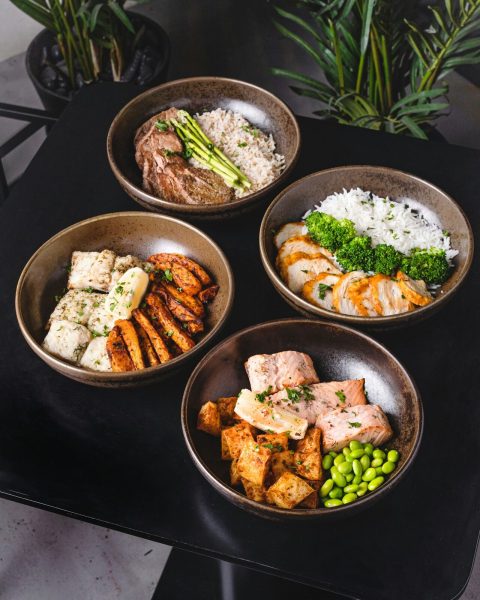
The kitchen is your most powerful tool for regulating summer qi. The goal isn’t to eat only raw, cold foods (which can weaken digestion), but to choose foods with an energetically cooling nature that are prepared in a way that’s easy on your system. Think of it as culinary diplomacy—you’re negotiating with the heat.
Here’s a practical breakdown of what to reach for and what to moderate:
| Category | Cooling Allies (Eat Freely) | Warming Stimulants (Moderate) |
|---|---|---|
| Fruits | Watermelon, pear, apple, orange, strawberry, grapefruit, lychee (in moderation) | Mango, cherry, durian, peach, guava |
| Vegetables | Cucumber, celery, lettuce, bok choy, summer squash, daikon radish, bitter melon | Garlic, ginger (in excess), onion, chives, leek, mustard greens |
| Proteins | Tofu, tempeh, mung beans, fish (especially freshwater), small amounts of chicken | Red meat (beef, lamb), shrimp, heavily spiced meats |
| Grains | Barley, wheat, rice, millet | Oats, spelt, quinoa (slightly warming) |
| Beverages & Teas | Chrysanthemum tea, barley tea, mint tea, green tea, mung bean soup, coconut water | Coffee, black tea, alcohol, ginger tea (in excess) |
| Flavors | Sour (lemon, lime), Bitter (bitter melon, arugula), Mildly sweet | Pungent/Spicy (chili peppers, black pepper, cinnamon) |
“Food is your first medicine. In summer, eat the foods that grow in summer. A watermelon is nature’s perfect air conditioner.”
Actionable Summer Qi Recipe: The 10-Minute Cooling Tonic. Steep 1 tablespoon of dried chrysanthemum flowers and 5 goji berries in a cup of hot (not boiling) water for 5 minutes. Strain and drink warm or at room temperature. This classic combination gently clears heat from the head and eyes and nourishes yin fluids. I sip this almost every afternoon from June through August.
Daily Rituals to Harmonize Your Summer Qi Flow
Adapting to summer isn’t about a single grand gesture; it’s woven into the fabric of your day. Small, consistent rituals create the most profound change. Here are four daily practices to integrate:
- The 7 AM Hydration Ritual: Before you check your phone, drink a large glass (12-16 oz) of room temperature water with a squeeze of lemon. The sour flavor is astringent and helps to hold in fluids that summer heat can easily dry out. It gently stimulates digestion without being harsh.
- The Midday Break (1-3 PM): This two-hour window corresponds to the Heart meridian’s peak energy in TCM. It’s the hottest part of the day. If possible, take a true break. Avoid intense work. Eat a light lunch. A 15-minute rest with your feet up, or even a short nap (no longer than 20 minutes), can prevent the afternoon energy crash and cool the Heart fire.
- The Evening Unplug (After 8 PM): The summer sun sets late, but your internal clock needs a signal to wind down. Dim the lights in your home. Switch your phone to night mode. Engage in a calming activity: reading a physical book, gentle stretching, or listening to soft music. This tells your Shen (spirit) that the day’s expansive yang energy is transitioning to the receptive yin of night.
- The Foot Soak Before Bed: Fill a basin with lukewarm water (around 100°F or 38°C). Add a handful of Epsom salts and 2-3 drops of lavender essential oil. Soak your feet for 15 minutes. This simple act draws heat downward from the head, calms the nervous system, and profoundly improves sleep quality. It’s my favorite summer ritual.
Common Questions About Summer Qi
I’m always exhausted in summer. Isn’t that a yin deficiency?
It can be, but it’s often more nuanced. Summer exhaustion frequently stems from two places: 1) Yang Deficiency, where your body lacks the metabolic fire to actually engage with the season’s energy, leaving you feeling sluggish and cold despite the heat, or 2) Qi and Fluid Depletion from excessive sweating, overexertion, and poor hydration. True yin deficiency (a lack of cooling, moistening fluids) will show with symptoms like night sweats, a red tongue with little coating, and a feeling of heat in the palms and soles. The key is in the details. A practitioner can help differentiate, but starting with the gentle, nourishing foods and pacing mentioned above is a safe bet for any type of fatigue.
Can I still drink iced coffee in the morning?
You can, but understand the trade-off. Coffee is a strong stimulant that moves qi upward and outward very quickly—perfect for a short-term boost, but it can contribute to that “Heart fire” restlessness and deplete your fluids. Iced drinks, in particular, constrict the stomach and spleen, weakening your digestive fire (qi) when it’s already working hard to process lighter summer foods. A better alternative? Try a cup of green tea or barley tea. Green tea is cooling and gently uplifting. Barley tea is a superb digestive aid and is caffeine-free. If you must have coffee, limit it to one cup before noon, and make it warm, not iced.
Why does my skin break out more in the summer?
This is a classic sign of summer qi in action. As qi and blood circulate toward the surface, any underlying heat or toxins in the blood are “pushed out” through the skin. In TCM, this is called “heat in the blood level.” It’s not just about sweat clogging pores; it’s a reflection of your internal state. To address it, focus on cooling the blood. Incorporate more cooling, bitter greens like dandelion greens, arugula, and bitter melon into your salads. Mung bean soup (eaten warm or at room temperature) is a legendary blood purifier in Chinese culture. And ensure you’re having a regular bowel movement, as constipation is a primary way heat gets “stuck” inside.
The bottom line: Summer qi is a powerful, outward-moving force. Instead of fighting it with constant cold and isolation, learn to dance with it. Embrace gentle morning sweat, nourish your body with the season’s cooling fruits and vegetables, and institute small daily rituals to vent excess heat and calm your spirit. By aligning your habits with the natural rhythm of the season, you transform summer from a time of depletion into a season of vibrant, sustainable vitality.
This article is for educational purposes and reflects traditional wellness perspectives. It is not a substitute for professional medical advice, diagnosis, or treatment.