It’s a strange summer paradox. The days are long and golden, the flowers are in full bloom, and nature is bursting with life. Yet, many of us feel… depleted. We crave the sun, but when it arrives, we feel drained, irritable, and strangely frazzled. Our energy feels scattered, our sleep is restless, and our patience is thin. This isn’t just in your head. In the language of Traditional Chinese Medicine (TCM), this is the classic story of summer qi energy — a season of outward expansion that can leave our inner reserves dangerously low if we don’t know how to navigate it.
Understanding Summer Qi: The Fire Element’s Double-Edged Sword
In TCM, summer is the season of the Fire element. It’s a time of maximum yang energy — think of it as the universe’s exhale, a period of peak activity, growth, and outward expression. This energy is beautiful; it’s what draws us out of our homes and into gardens, onto beaches, and around barbecue grills. But here’s the crucial nuance: this same expansive energy, if we simply surrender to it without awareness, can literally scatter our own vital force.
Imagine your core energy, your qi, as a bank account. Winter and spring are for saving and cautious investing. Summer, however, feels like a carnival — and it’s incredibly easy to overspend your account on late nights, social engagements, cold treats, and constant activity. The result? You arrive at the end of summer feeling like you’ve partied all night with just pocket change left. This is what we call a qi deficiency in the summer — the energy paradox that leaves you feeling wired but tired.
My grandmother had a saying for this: “Summer heat is a thief.” She didn’t mean it poetically. She meant it literally. Excessive external heat and the behaviors it encourages (staying up late, drinking iced drinks, over-exerting) can actually weaken the Spleen and Stomach — the organs responsible for transforming food into usable qi. When they get damp and sluggish from too many cold, raw foods, your energy production plummets. You feel fatigued, but also agitated, because the Fire element is still buzzing around you, demanding expression.
The Telltale Signs Your Summer Qi is Out of Balance
How do you know if you’re caught in this paradox? Your body gives very clear signals. It’s not just about feeling tired. It’s a specific cocktail of symptoms that, in TCM, point to a pattern of Heart and Spleen Qi Deficiency with Heat. Look for these signs:
- Restless, Light Sleep: You fall asleep okay, but wake up frequently, especially between 1-3 AM (the Liver time). Your mind might be racing with half-formed thoughts or worries.
- Digestive Rebellion: Bloating, loose stools, or a feeling of heaviness after eating, even if you haven’t eaten much. A sudden aversion to heavy foods.
- Scattered Energy & Anxiety: You feel motivated but can’t focus. You start three tasks and finish none. A low-grade, humming anxiety that has no clear cause.
- Heart Palpitations or Chest Discomfort: Not necessarily a medical emergency, but a noticeable fluttering or feeling of oppression in the chest, often worse when you’re overheated or stressed.
- Excessive Sweating: Not from exercise, but spontaneous sweating, especially at night or with minimal activity. The sweat may feel cool, not just warm.
- Craving Sugar & Salty Snacks: Your body is desperately seeking quick energy and minerals to compensate for what’s being lost.
Recognizing these patterns is the first step. The good news? The solution isn’t to hide from summer. It’s to learn how to move with its rhythm in a way that nourishes, rather than depletes, you.
Nourishing Your Core: Foods & Drinks for Summer Qi
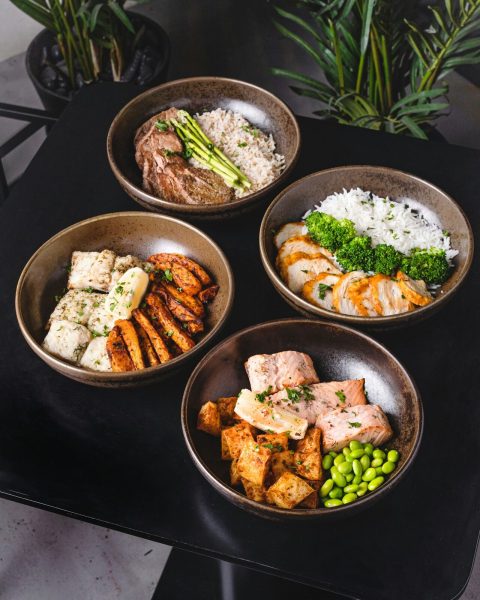
The most direct way to support your qi is through what you eat and drink. Summer eating in TCM is a delicate dance: you need to cool down without damaging your digestive fire, and you need to hydrate without creating internal dampness. Forget the giant salads and ice-cold smoothies for a moment. Here’s what actually helps.
| Action | What to Do | Why It Works | Specific Examples |
|---|---|---|---|
| Room Temp Hydration | Drink fluids at room temperature or slightly warm. Avoid ice. | Cold fluids constrict the Spleen/Stomach, impairing digestion and energy production. | Plain water, barley tea, chrysanthemum tea with a few goji berries. |
| Eat the “Bitter” Cooling Foods | Incorporate mildly bitter and cooling foods. | The bitter flavor clears heat and drains dampness without being overly cold. | Watermelon rind (the white part!), bitter melon (sautéed with garlic), endive, celery, romaine lettuce. |
| Build Qi with Gentle Tonics | Eat simple, easy-to-digest foods that strengthen qi. | Directly replenishes what the summer heat depletes. | Rice congee (jook) with a few slices of ginger and a dash of honey. Miso soup. Cooked sweet potato or yam. |
| Support the Heart with Red Foods | Add red-colored foods to your meals. | In TCM, the Heart is the Fire organ. Red foods nourish Heart blood and yin. | Tomatoes (cooked), red dates (jujubes), watermelon, strawberries, adzuki beans. |
| Use Sour & Astringent Flavors | Add a squeeze of lemon or a dash of vinegar to your water or food. | Sour flavor helps contain and consolidate leaking qi (from sweating). | Lemon water, pickled vegetables, a splash of apple cider vinegar in salad dressing. |
My go-to summer drink isn’t a fancy smoothie. It’s a simple barley and mung bean tea. I boil 1/4 cup of pearled barley and 2 tablespoons of mung beans in 4 cups of water for 40 minutes, strain, and let it cool to room temperature. It’s subtly sweet, profoundly cooling, and gently supports digestion. My family drank this by the pitcher all summer long.

Movement & Rest: The Art of Pacing Your Summer Qi
Summer is not the time for intense, sweat-drenched workouts that leave you gasping. That’s like making a huge withdrawal from your qi bank on the hottest day of the year. The goal is to move in a way that circulates qi without scattering it. Think gentle, fluid, and mindful.
Morning is Golden: The best time for any activity is before 10 AM, when the yang energy is rising but not yet at its scorching peak. A 20-minute walk, some gentle stretching, or a few rounds of Tai Chi in the park is perfect. The key is to stop before you feel drained.
Embrace the Siesta Mindset: This isn’t laziness; it’s wisdom. In many Chinese households, a short rest after lunch is non-negotiable in summer. Even if you can’t nap, lying down for 15-20 minutes with your eyes closed between 11 AM and 1 PM (the Heart’s time in the TCM organ clock) can be incredibly restorative. It allows the Fire element to settle without being extinguished.
“The summer noon rest is not a luxury; it is a necessary pause to let the heart catch its breath.”
Cool Down Gently: After being in the heat, resist the urge to blast the AC or jump into an ice bath. Instead, sip room temperature water, place a cool (not cold) damp cloth on your wrists and neck (where major blood vessels are close to the surface), and sit in the shade for a few minutes. Let your body adjust gradually.
Daily Rituals to Anchor Your Energy
When the external world is chaotic and hot, your internal routines become your anchor. Small, consistent actions protect your qi far more effectively than occasional grand gestures.
The 3 PM Splash: Around 3-5 PM is the time of the Bladder meridian, when fatigue often hits hardest. Instead of reaching for caffeine, splash cool water on your face and the back of your neck. Gently massage the center of your sternum (the “Sea of Qi” point, CV-17) with your fingertips for one minute. This simple act can clear heat from the Heart and instantly lift a foggy mind.
Evening Wind-Down: Summer evenings are for socializing, but they’re also for winding down the Fire element. An hour before bed, turn off bright lights. Avoid intense conversations or screens. Instead, try this: soak your feet in a basin of warm (not hot) water to which you’ve added a handful of Epsom salts and 5-10 drops of lavender essential oil for 15 minutes. This draws energy downward, calms the Heart, and prepares you for restful sleep.
Acupressure for Instant Relief: Two points are your best friends in summer.
- Heart 7 (HT-7): “Spirit Gate” — On the inner wrist crease, in the little finger depression. Press gently for 30 seconds on each wrist to calm anxiety and palpitations.
- Spleen 6 (SP-6): “Three Yin Intersection” — Four finger-widths above the inner ankle bone, just behind the shinbone. Press for 30 seconds to support digestion, calm the mind, and stop excessive sweating.
Your Mind & Emotions: Cooling the Inner Fire
The Fire element is directly linked to the Heart, and in TCM, the Heart is the “Emperor” that houses the Shen — our spirit, consciousness, and emotional equilibrium. When summer qi is unbalanced, the Shen becomes unsettled. This is why you might feel more easily irritated, anxious, or emotionally volatile. Cooling the body is only half the job; you must also cool the mind.
Practice “Heart Listening”: This is a simple mindfulness practice. Sit quietly for 5 minutes. Place a hand over your heart. Instead of focusing on your breath, listen to the silence between heartbeats. This isn’t about controlling anything; it’s about connecting with the quiet space that exists even amidst the summer buzz. It helps ground the Shen.
Journaling with a Cool Pen: Keep a small notebook by your bed. Before sleep, write down three things that felt “hot” that day — an argument, a moment of impatience, a worry. Then, next to each, write one “cooling” action you could take tomorrow. This externalizes the mental heat and creates a plan. For example: “Felt angry at traffic (Hot). Tomorrow, I will listen to calming classical music on my drive (Cool).”
Remember, the goal isn’t to suppress summer’s joyful energy. It’s to channel it wisely, so you can enjoy the long days and warm nights without feeling burned out by September. It’s about balance — the eternal lesson of yin and yang.
Common Questions
I love iced coffee. Is it really that bad in summer?
From a TCM perspective, it’s about frequency and timing. An occasional iced coffee on a scorching afternoon is one thing. But making it a daily habit, especially on an empty stomach, is like throwing ice water on your digestive fire. If you must have it, try this compromise: brew your coffee strong, let it cool to room temperature, then pour it over a single large ice cube. Drink it slowly after a small meal, like a piece of toast or a banana. And never drink it after 2 PM if you value your sleep — the combination of caffeine and cold is a recipe for restless, agitated nights.
Should I avoid exercise entirely if I feel so drained?
Absolutely not! The key is to shift your mindset from “exercise” to “movement.” Gentle movement actually generates qi when done correctly, while intense exertion consumes it. Think of it as the difference between a gentle stream (which oxygenates and nourishes) and a raging river (which erodes and scatters). Swap your 5k run for a 30-minute walk in a shady park. Replace your HIIT class with a session of qigong or restorative yoga. The goal is to feel more energized when you finish, not less.
My air conditioning feels so good. Is there a downside?
Yes, there is a significant one in TCM. Prolonged exposure to artificial cold creates a clash of temperatures: your body is fighting the external cold while also trying to manage the internal heat of summer. This confuses your qi and can lead to what we call “Summer-Heat Wind-Cold” — you might get symptoms like a stiff neck, headache, chills, and even a summer cold. The solution is moderation. Set your thermostat to a comfortable 76-78°F (24-26°C). Avoid sitting directly in the blast of the vent. And if you must be in strong AC, wear a light scarf or cardigan to protect the back of your neck and shoulders — key areas where pathogenic factors can enter.
The bottom line: The summer qi paradox exists because the season’s outward, expansive energy can quietly drain your inner reserves. The solution isn’t to fight summer, but to align with it wisely: nourish your core with gentle, room-temperature foods and drinks; move your body gently in the cool morning hours; anchor your day with small, cooling rituals; and calm your mind to settle the Fire element’s restless spirit. By managing your qi with intention, you can enjoy the season’s brightness without burning out, arriving at autumn feeling recharged, not depleted.
This article is for educational purposes and reflects traditional wellness perspectives. It is not a substitute for professional medical advice, diagnosis, or treatment.