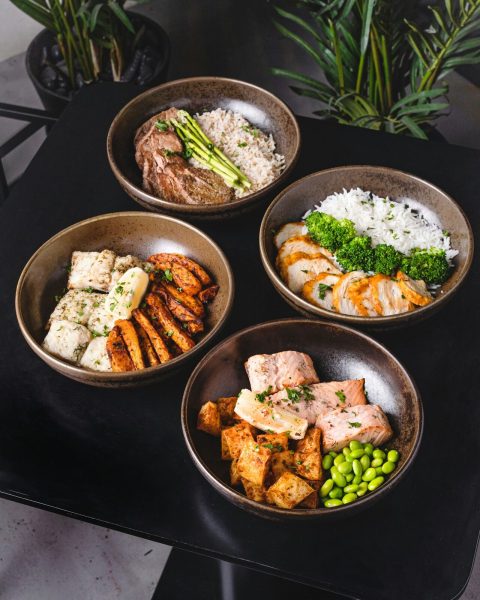
The long, golden days of summer invite us outdoors—to garden, to swim, to linger at backyard dinners as the fireflies arrive. Yet Traditional Chinese Medicine (TCM) teaches that this season of abundant Yang energy also carries unique demands on our bodies. Heat, humidity, and constant activity can drain our Qi, irritate digestion, and leave us feeling surprisingly depleted just when life seems most vibrant. The good news? A handful of small, time-tested adjustments can help you ride the wave of summer energy without burning out. Think of this as your friendly, practical guide to thriving in the heat—the way generations of Chinese families have done it for centuries.
- 1. Eat Cooling, Hydrating Foods — and Skip the Ice
- 2. Protect Your Qi from Summer Heat and Humidity
- 3. Move Gently — and Sweat Smart
- 4. Soothe and Protect Your Skin with Time-Tested Remedies
- 5. Calm the Heart and Nourish Your Spirit
- 6. Adjust Your Sleep to Match the Longest Days
- 7. Embrace the Emotional Wisdom of Summer
1. Eat Cooling, Hydrating Foods — and Skip the Ice
In TCM, food is medicine, and summer is the season to lean into nature’s built-in air conditioning. Watermelon (xī guā, 西瓜), cucumber, mung beans, bitter melon, lotus root, and leafy greens like bok choy and watercress are all classified as “cooling” foods that help the body release excess heat. My grandmother used to set out a big bowl of chilled watermelon slices every afternoon in July—it wasn’t a treat, it was her version of a prescription.
Here’s the part that surprises most Western readers: TCM actually advises against ice-cold drinks and frozen treats, especially if you’re already overheated. The logic is counterintuitive but elegant. When you pour ice water into a hot stomach, your body has to expend extra energy (Qi) to warm that liquid back up to body temperature. Over time, this can weaken the Spleen and Stomach system—the TCM engine of digestion—leading to bloating, fatigue, and sluggishness. Room-temperature water or lightly chilled herbal teas (like chrysanthemum or mint) hydrate without shocking the system.
A practical rule of thumb: aim for foods that are cooling in nature but served at a moderate temperature. A cucumber salad with a splash of rice vinegar, a bowl of mung bean soup served just slightly warm, or a smoothie made with banana and coconut water (not ice) all hit the sweet spot. If you’re sweating heavily, add a pinch of sea salt to your water—this mimics the traditional Chinese practice of drinking lightly salted water (dàn yán shuǐ, 淡盐水) to replenish minerals lost through perspiration.
“In summer, nourish the Heart and quiet the spirit. Eat what is bitter and cooling. Rest when the sun is highest.” — Huangdi Neijing (The Yellow Emperor’s Classic of Internal Medicine)
2. Protect Your Qi from Summer Heat and Humidity
TCM recognizes that summer isn’t just “hot”—it brings two distinct environmental factors that can challenge your health: dry heat and damp heat. If you live in a desert climate, you’re dealing with dry heat that parches the lungs and skin. If you’re in the American South, Southeast Asia, or anywhere with sticky, muggy summers, you’re contending with “damp heat” (shī rè, 湿热), which is heavier and harder on digestion. Knowing which one you’re facing helps you respond appropriately.
In dry heat, the priority is fluids and moisture. Think pear juice, honey water, and foods that nourish Yin (the body’s cooling, moistening aspect). In damp heat, the goal shifts: you need to gently clear dampness without over-drying. Foods like barley, adzuki beans, lotus seeds, and corn silk tea are classic “dampness-draining” staples in Chinese kitchens. You’ll notice that Chinese herbal teas sold at Asian supermarkets in summer often contain ingredients like Job’s tears (yì yǐ rén, 薏仁)—that’s exactly why.
One of the most practical summer self care tips I can share: don’t underestimate the power of shade and timing. Traditional Chinese daily routines shift activity to early morning and evening during the hottest months. The midday sun (roughly 11 a.m. to 3 p.m.) is considered the peak of Yang energy—great for nothing except resting. If you must be outside, wear light, breathable fabrics (linen is a TCM favorite), cover your head, and take breaks in the shade. Your ancestors weren’t being lazy when they napped after lunch in summer; they were being wise.
3. Move Gently — and Sweat Smart
Summer is the season of the Heart in TCM, and the Heart loves gentle joy—not intensity. While it might seem like the perfect time to train for that half-marathon, TCM would actually counsel moderation. Excessive sweating depletes both Qi and Yin fluids, leaving you tired, irritable, and prone to insomnia or heart palpitations. The goal is to move your body enough to keep Qi flowing freely, but not so much that you’re drenched and breathless for long stretches.
Tai Chi and Qigong are the gold-standard summer exercises in Chinese tradition, and for good reason. They’re slow, intentional, and deeply grounding—qualities that counterbalance summer’s tendency toward scattered, frenetic energy. Even 15 to 20 minutes of gentle Qigong in the early morning, before the heat sets in, can set a profoundly different tone for your day. If those practices feel unfamiliar, walking in nature, swimming (a wonderful low-impact, cooling exercise), or a gentle yoga flow all serve the same purpose.
- Morning (6–8 a.m.): Best time for outdoor movement. Yang energy is rising but gentle.
- Midday (11 a.m.–3 p.m.): Rest, read, nap, or do indoor activities. Avoid peak exertion.
- Evening (6–8 p.m.): Second-best window for activity. A post-dinner walk aids digestion beautifully.
- After 9 p.m.: Wind down. The Heart needs calm in the evening to prepare for restful sleep.
A note on sweat: in TCM, a moderate, even sweat is healthy—it’s the body’s natural way of releasing heat and toxins. But profuse, drenching sweating (especially night sweats) signals that your Yin is becoming depleted. If you find yourself waking up with soaked sheets, that’s your body asking for cooling, Yin-nourishing support—think goji berries, lily bulb (bǎi hé, 百合), and plenty of rest.
4. Soothe and Protect Your Skin with Time-Tested Remedies
Sunburn, heat rashes, insect bites, and general irritation are the unwelcome sidekicks of summer fun. Chinese households have dealt with these for millennia, and the traditional remedies are surprisingly effective and gentle. You don’t need a medicine cabinet full of chemicals—just a few key ingredients.
For sunburn and heat rash: Aloe vera gel (lú huì, 芦荟) is well-known in the West, but in TCM it’s prized specifically for “clearing heat” from the skin. Apply pure aloe gel directly to irritated skin. Another classic is watermelon rind—the white inner part, rubbed gently onto sunburned skin, provides cooling relief. My mother swore by this, and honestly, it works better than you’d expect.
For insect bites and itchy skin: A paste made from mung bean powder (lǜ dòu fěn, 绿豆粉) mixed with a little water is a traditional Chinese remedy for reducing redness and swelling. You can find mung bean flour at any Asian grocery store. Apply the paste to the affected area, let it dry, and rinse off with cool water. The cooling, anti-inflammatory properties of mung beans work topically just as they do internally.
For everyday summer skin maintenance: Rose water toner is a staple in Chinese beauty traditions. Rose is cooling and gently astringent—perfect for skin that’s been exposed to heat and humidity. Spritz it on your face throughout the day for a refreshing, balancing lift. And of course, drink plenty of fluids. Hydrated skin starts from within.
| Summer Skin Concern | TCM Remedy | How to Use |
|---|---|---|
| Sunburn / mild burn | Aloe vera gel or watermelon rind | Apply directly to skin; repeat every 2–3 hours |
| Heat rash / prickly heat | Mung bean paste | Mix powder with water into paste; apply for 15 min |
| Insect bites | Diluted vinegar or mung bean paste | Dab on bite with cotton ball; reapply as needed |
| General redness / irritation | Rose water or chrysanthemum tea compress | Soak cloth in cooled tea; lay on skin for 10 min |
| Dry, sun-parched skin | Cucumber slices or honey mask | Apply for 15–20 minutes; rinse with lukewarm water |
 herbal tea“/>
5. Calm the Heart and Nourish Your Spirit
This might be the most overlooked of all summer self care tips, and in TCM it’s arguably the most important. Summer corresponds to the Heart organ system and the emotion of joy. Yes—joy can be excessive. When summer energy is out of balance, it can manifest as restlessness, anxiety, overstimulation, insomnia, and an inability to “turn off” your mind. Sound familiar? Think of those late-July nights when you’re exhausted but can’t sleep, or the agitated feeling after a long day in the sun.
The Heart, in TCM, is said to “house the Shen” (神)—the spirit or consciousness. When the Heart is calm, the Shen is settled, and you feel peaceful, focused, and emotionally steady. When the Heart is overheated (literally or figuratively), the Shen becomes disturbed, and you feel scattered, anxious, or wired-but-tired. Summer self care, then, must include practices that specifically cool and calm the Heart.
Here are some deeply nourishing practices to weave into your summer routine:
- Midday rest or meditation: Even 10 minutes of stillness during the hottest part of the day honors the Heart’s need for quiet. Lie down, close your eyes, and breathe slowly. No phone, no podcast—just silence.
- Heart-cooling foods: Bitter flavors are the Heart’s best friend in summer. Bitter melon, green tea, dark chocolate (in moderation), arugula, and dandelion greens all help clear excess heat from the Heart channel.
- Lily bulb and lotus seed soup: This is a classic Chinese summer dessert-soup (bǎi hé lián zǐ tāng, 百合莲子汤). Simmer dried lily bulbs, lotus seeds, a few red dates, and a touch of rock sugar in water for 30 minutes. It’s mildly sweet, deeply calming, and specifically targets Heart heat and insomnia.
- Journaling or gentle creative work: The Heart thrives on expression. Writing, sketching, playing music, or even arranging flowers channels summer’s expansive energy into something beautiful and grounding.
- Acupressure point — Heart 7 (Shén Mén, 神门): Located on the inner wrist crease, on the pinky side of the tendon. Press gently for 1–2 minutes on each wrist before bed. This is one of the most effective points for calming anxiety and promoting sleep.
Remember: summer is meant to be joyful, but sustainable joy feels like a warm glow—not a wildfire. Give yourself permission to slow down, even when everyone else seems to be speeding up.
6. Adjust Your Sleep to Match the Longest Days
The Huangdi Neijing—the foundational text of TCM, written over 2,000 years ago—offers remarkably specific sleep advice for each season. For summer, it recommends going to bed later and waking earlier than in other seasons, aligning with the longer daylight hours. The idea is to match your internal rhythm to the natural world: when the sun is up longer, you can stay active a bit longer, too. But—and this is crucial—it also emphasizes the importance of a midday nap to prevent depletion.
A practical summer sleep schedule might look like this: wake around 6 a.m., enjoy the cool morning hours, rest or nap briefly between 12 and 2 p.m., resume gentle activity in the late afternoon, and aim to be in bed by 10:30 or 11 p.m. This gives you roughly seven to eight hours of sleep plus a short daytime rest, which is the rhythm many Chinese families have followed for centuries during the hot months.
If summer insomnia is an issue for you (and it’s extremely common), try these TCM-informed strategies: avoid heavy meals and alcohol within three hours of bedtime; keep your bedroom as cool as possible; sip a small cup of sour cherry juice or chrysanthemum tea in the evening; and press the Heart 7 acupressure point mentioned above. Cooling your feet in a basin of room-temperature water before bed is another traditional trick—it draws heat downward from the head, helping the mind quiet naturally.
7. Embrace the Emotional Wisdom of Summer
There’s one more layer to summer self care that rarely makes it onto modern wellness checklists, and it might be the most transformative: the emotional and spiritual dimension. In the Five Element framework of TCM, summer belongs to the Fire element, which governs not just the Heart but also the Pericardium (the Heart’s protector), the Small Intestine (clarity and discernment), and the Triple Burner (overall coordination of energy). The virtue associated with Fire is joy—but a mature, connected, mindful kind of joy, not the manic, overstimulated kind that modern summer culture often promotes.
This is the season to cultivate genuine connection. Share meals with people you love. Laugh freely. Be generous with your time and attention. The Fire element is at its healthiest when it’s expressed outward—as warmth, kindness, and presence. When Fire is imbalanced, it turns inward as anxiety, mania, or emotional walls. So if you take only one thing from this entire checklist, let it be this: summer is an invitation to open your heart, but gently, and with boundaries that keep you grounded.
Spend time near water whenever you can—lakes, rivers, the ocean, even a small backyard fountain. Water is the element that balances Fire in TCM. It cools, soothes, and restores. There’s a reason every ancient Chinese garden included a pond or stream: water is medicine for the spirit in summer.
Common Questions
Can I still drink iced coffee in summer according to TCM?
TCM would gently steer you away from ice-cold beverages, including iced coffee, especially on an empty stomach. The cold temperature is believed to contract the Stomach and slow digestion, while coffee’s bitter, stimulating nature can further deplete Qi if consumed in excess. If you love your morning coffee, try it at room temperature or slightly warm, and have it after a small breakfast. You can also explore alternatives like roasted barley tea (mài chá) or barley coffee, which are naturally cooling and caffeine-free. That said, TCM is pragmatic—if an iced coffee brings you genuine joy and you tolerate it well, occasional enjoyment won’t derail your health. Balance over perfection, always.
What are the best summer self care tips for someone who works outdoors?
If your job keeps you in the heat, hydration and protection become even more critical. Carry a large bottle of room-temperature water with a pinch of sea salt and a squeeze of lemon—this replenishes fluids and electrolytes more effectively than plain water. Wear a wide-brimmed hat and loose, light-colored clothing made from natural fibers. Take breaks in the shade whenever possible, and keep cooling snacks on hand: watermelon, cucumber slices, or grapes. After work, resist the urge to immediately blast the air conditioning; instead, cool down gradually with a lukewarm shower and a cup of chrysanthemum tea. Sudden temperature extremes can trap heat inside the body, according to TCM, leading to headaches and fatigue. And make sleep a non-negotiable priority—your body is working overtime, and it needs recovery.
Is it safe to practice gua sha or cupping in summer?
Yes, both gua sha and cupping can be practiced safely in summer, and they’re actually quite popular during this season in Chinese households. Gua sha (scraping the skin with a smooth tool) helps release heat and stagnation, while cupping draws out dampness and improves circulation. However, there are a few precautions. After either treatment, your pores are open and your skin is more vulnerable—avoid cold drafts, swimming, and air conditioning blowing directly on the treated area for at least two to four hours. In summer, practitioners often use lighter pressure and shorter sessions to prevent excessive Qi depletion from sweating during the treatment. If you’re new to these practices, seek out a licensed TCM practitioner who can assess your specific constitution and recommend the right approach for the season.
The bottom line: Summer self care in the TCM tradition isn’t about restriction or rigid rules—it’s about listening to your body, respecting the season’s energy, and making small, nourishing choices that keep you cool, hydrated, and emotionally balanced. Eat cooling foods at room temperature. Move your body gently and rest during the hottest hours. Protect your skin with simple, natural remedies. Prioritize calm and connection over stimulation. And above all, let joy be your guide—but a steady, sustainable joy that warms without burning.
This article is for educational purposes and reflects traditional wellness perspectives. It is not a substitute for professional medical advice, diagnosis, or treatment.