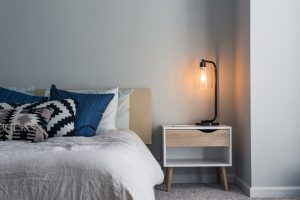
There’s a particular kind of frustration that comes with lying awake on a hot summer night. You kick off the sheets, flip the pillow to the cool side, and stare at the ceiling while the air feels thick and heavy around you. If you’ve ever found yourself tossing and turning during the sweltering months, you’re not alone—and you’re certainly not doing anything wrong. In Traditional Chinese Medicine (TCM), summer insomnia isn’t just a modern inconvenience caused by rising temperatures. It’s understood as a deeper imbalance between your body’s internal climate and the season’s fiery energy. The good news? Chinese medicine has been helping people sleep through the heat for thousands of years, and the wisdom is surprisingly practical. This guide will walk you through why summer disrupts your rest, what’s happening beneath the surface according to TCM, and exactly what you can do—starting tonight—to find your way back to cool, deep sleep.
- Why Does Summer Wreck Our Sleep?
- The Fire Element and Your Heart: What's Really Keeping You Up
- Cooling Foods That Calm the Heart and Nourish Yin
- Acupressure Points for Instant Cooling and Sleep
- Your Summer Bedroom: Creating a Yin Sanctuary
- Daily Rhythms: When You Do Things Matters as Much as What You Do
- Herbal Allies: Teas and Topicals for Cooler Sleep
- Movement, Breath, and the Art of Winding Down
Why Does Summer Wreck Our Sleep?
From a Western perspective, the reason seems obvious: it’s hot. Your body needs to drop its core temperature by about 1-2°F (0.5-1°C) to initiate sleep, and when the ambient temperature is high, that process becomes harder. Your circadian rhythm fights a losing battle against the thermometer, and melatonin production can be delayed or disrupted.
But Chinese medicine sees a richer picture. Summer is governed by the Fire element, one of the Five Elements that organize all of nature’s cycles. Fire’s energy is expansive, bright, and upward-moving—the exact opposite of the inward, downward, settling energy that sleep requires. When the external environment is saturated with Fire energy, your internal environment can become similarly agitated.
In TCM, we talk about two primary patterns that cause summer sleep disruption. The first is Heart Fire Rising. The Heart, in Chinese medicine, is considered the “emperor” of all organs and the seat of consciousness (the Shen). When excessive heat lodges in the Heart, your mind becomes restless, anxious, and unable to “land.” You might experience vivid dreams, racing thoughts at bedtime, or a sensation of heat in your chest. The second pattern is Yin Deficiency with Heat. Yin represents the cooling, moistening, and calming aspects of your body. Summer heat can deplete your Yin reserves, leaving you feeling dried out and overheated from the inside—like a pond slowly evaporating under a relentless sun.
Understanding which pattern resonates with you is the first step toward choosing the right remedies. Many people, especially those already constitutionally warm or stressed, will experience a blend of both.
The Fire Element and Your Heart: What’s Really Keeping You Up
Let’s go deeper into the Heart-Fire connection, because it’s the key to understanding most summer sleep problems in TCM.
Imagine your Heart as a small, contained campfire. Under normal conditions, it provides warmth, light, and vitality—it fuels your joy, connection, and sense of self. Your Kidneys, which represent Water in the Five Element system, sit below the Heart and provide a natural cooling counterbalance. In a healthy body, Heart Fire descends to warm the Kidneys, and Kidney Water rises to cool the Heart. This is the fundamental axis of sleep: Fire below, Water above, with your consciousness gently settling downward into rest.
In summer, the external heat acts like gasoline on that campfire. The Heart Fire flares up and can no longer descend. Meanwhile, the Kidney Water is “evaporated” by the excess heat, reducing its ability to rise and cool things down. The result? Your Shen (consciousness) is left floating upward, untethered—manifesting as insomnia, restlessness, anxiety, or that frustrating feeling of being “tired but wired.”
“When the Heart is calm, the Shen rests peacefully. When the Heart is disturbed by Fire, the Shen wanders and sleep becomes a stranger.”
— Classical TCM Saying
This isn’t just poetic language. It describes a physiological experience that many of us recognize intuitively: that buzzing, agitated feeling in the center of your chest when you can’t sleep on a hot night. Chinese medicine simply names what the body already knows.
Cooling Foods That Calm the Heart and Nourish Yin
One of the most accessible entry points into TCM-based summer sleep care is your diet. Chinese medicine classifies foods not just by their nutritional content, but by their thermal nature—the effect they have on your body’s internal temperature and energy flow. In summer, the strategy is simple: eat foods that clear Heat, generate fluids, and calm the Heart.
| Food | TCM Nature | Key Actions | Best Ways to Eat |
|---|---|---|---|
| Watermelon | Cold | Clears summer heat, generates fluids | Fresh, or as chilled rind tea |
| Mung beans | Cool | Clears Heart heat, detoxifies | Mung bean soup (classic recipe below) |
| Lily bulb (Bai He) | Cool | Nourishes Lung and Heart Yin, calms Shen | Simmered in soups or congee |
| Cucumber | Cool | Clears heat, promotes fluids | Raw in salads or infused in water |
| Lotus seed (Lian Zi) | Neutral | Calms the Heart, benefits sleep directly | In soups, congee, or desserts |
| Goji berries | Neutral-warm | Nourishes Yin and Blood, supports Liver and Kidneys | Steeped as tea, added to porridge |
| Chrysanthemum flowers | Cool | Clears Liver and Heart heat, brightens eyes | Brewed as tea (Ju Hua Cha) |
| Bitter melon | Cold | Strongly clears heat, drains Fire | Stir-fried, juiced, or stuffed |
A word of caution: if you have a naturally cold constitution—cold hands and feet, pale complexion, loose stools—be careful not to overdo cold-natured foods. In that case, focus more on the cooling-neutral options like lotus seeds, lily bulb, and goji berries, and consume the colder foods in moderate amounts.
The Classic Mung Bean & Lily Bulb Sleep Soup
This is a traditional recipe my grandmother made during the hottest weeks of summer. It’s simple, gentle, and genuinely effective.
- ½ cup dried mung beans, rinsed
- 10g dried lily bulb petals (Bai He, available at any Chinese herbal shop or online)
- 8-10 lotus seeds (Lian Zi), with bitter core removed
- 6 cups water
- Rock sugar or honey to taste (optional)
Combine everything except the sweetener in a pot. Bring to a boil, then reduce to a gentle simmer for 45-60 minutes until the mung beans are soft and beginning to split. Add sweetener if desired. Drink a bowl in the evening, about 1-2 hours before bed. This isn’t a heavy meal—it’s a therapeutic soup designed to gently cool your Heart, nourish your Yin fluids, and prepare your body for rest. You can make a larger batch and keep it in the refrigerator for up to three days.
Acupressure Points for Instant Cooling and Sleep
You don’t need needles to tap into the body’s built-in air conditioning. Acupressure—the practice of pressing specific points on the body—can shift your internal temperature and calm your nervous system in minutes. Here are three points that are especially powerful for summer sleep. Spend 1-2 minutes on each point before bed, using firm but gentle pressure with your thumb or fingertip.
Heart 7 (Shen Men) — Spirit Gate
Located on the inner wrist crease, on the pinky-side (ulnar) end, just inside the tendon. This is the single most important point for calming the Heart and settling the Shen. Press it gently while taking slow, deep breaths. You may feel a subtle wave of calm wash over you. In TCM, this point is like opening a window in a stuffy room—it allows excess Heart heat to vent and your consciousness to settle.
Pericardium 6 (Nei Guan) — Inner Gate
Found three finger-widths above the inner wrist crease, between the two tendons. While commonly known for nausea relief, this point is also a powerful Shen calmer. It regulates the Pericardium (Heart’s protective layer), easing anxiety and that “chest tightness” that often accompanies summer insomnia. It’s particularly helpful if your sleeplessness is accompanied by worry or emotional agitation.
Kidney 1 (Yong Quan) — Gushing Spring
This point sits on the sole of your foot, in the depression that forms when you curl your toes—roughly in the upper third of the foot. It is the most grounding point in the entire body. In TCM theory, Kidney 1 draws excess Fire downward from the head and chest, “returning it to its source.” This is exactly what you need when your mind is racing and your body is warm. Try pressing this point while lying in bed. Some practitioners recommend gently massaging the soles of both feet with a little sesame oil before sleep for an enhanced calming effect.

Your Summer Bedroom: Creating a Yin Sanctuary
Chinese medicine has always emphasized the environment as an extension of treatment. Your bedroom isn’t just a place where you happen to sleep—it’s a container that either supports or undermines your body’s natural rhythms. In summer, the goal is to transform your bedroom into a Yin sanctuary: cool, dark, quiet, and energetically “downward.”
Temperature and airflow. If you have air conditioning, set it to 65-68°F (18-20°C)—the range sleep researchers and TCM practitioners broadly agree on. If you don’t have AC, create cross-ventilation by opening windows on opposite sides of your space. A bowl of ice placed in front of a fan can surprisingly lower the room temperature by a few degrees. Dampening a thin cotton sheet and draping it over yourself (the classic “wet sheet” method) leverages evaporative cooling—your body’s own natural heat-dissipation mechanism.
Colors and materials. TCM and Feng Shui share the insight that colors carry thermal energy. In summer, swap out red, orange, and bright yellow bedding and decor for blues, whites, soft greens, and lavenders. These are Water and Metal element colors—they psychologically and energetically cool the space. Choose breathable, natural fabrics: cotton, linen, or bamboo. Synthetic materials trap heat and moisture, working against your body’s attempt to cool down.
Scent. This is an underutilized tool. In Chinese herbalism, cooling aromatics have been used for centuries. Place a small sachet of dried chrysanthemum flowers and mint leaves near your pillow. Alternatively, use a few drops of peppermint or lavender essential oil on your pillowcase. Chrysanthemum is especially fitting—it clears Liver and Heart heat in TCM, and its gentle floral scent signals the nervous system to relax.
Electronics. This is a year-round recommendation, but it’s especially critical in summer. Screens emit blue light that suppresses melatonin, and their electromagnetic activity contributes to what TCM practitioners informally call “heat in the upper burner.” Remove TVs, laptops, and phones from the bedroom entirely if possible, or at minimum, power everything down 60 minutes before bed. Your bedroom should be a space of stillness, not stimulation.
Daily Rhythms: When You Do Things Matters as Much as What You Do
Chinese medicine is deeply clock-oriented. The ancient text Huangdi Neijing (The Yellow Emperor’s Classic of Internal Medicine) describes a 24-hour energy cycle where Qi moves through each organ system in two-hour windows. Summer sleep tips aren’t just about what happens at bedtime—they’re about how you move through the entire day.
Morning (6-10 AM): Yang rising. Wake with or before the sun. This is the most Yang part of the day, and your body is designed to absorb that early energy. A short walk outside—barefoot on grass if you can manage it—is grounding and helps regulate your circadian clock. Eat a nourishing breakfast. Avoid ice-cold drinks first thing; even in summer, your digestive system (the Spleen in TCM) prefers warmth in the morning.
Midday (11 AM-1 PM): Fire peak. The Heart’s energy peaks at noon. This is actually the ideal time for a brief rest—a 20-minute nap or even just lying down with your eyes closed. In traditional Chinese culture, the midday nap (午睡, wǔ shuì) is considered essential during summer. It prevents Heart Fire from becoming excessive and gives your Yin a chance to replenish. Don’t nap longer than 30 minutes, though, or you’ll enter deep sleep and wake groggy—and you may compromise your nighttime sleep drive.
Afternoon (1-5 PM): Gradual cooling. Light exercise is fine—swimming is the ideal summer activity in TCM, as it’s a Water-element sport that directly counterbalances Fire. Avoid intense workouts after 5 PM, as vigorous exercise raises your core temperature and stimulates Yang energy, both of which are counterproductive if you’re trying to wind down.
Evening (7-10 PM): Yin rising. Begin dimming lights after sunset. Eat dinner early and light—this is not the meal for heavy, spicy, or greasy food. A cooling salad, a bowl of congee, or the mung bean soup described earlier is ideal. Begin your acupressure routine. Take a lukewarm (not cold—more on this below) shower or foot soak. Read a physical book instead of scrolling.
Sleep window (10 PM-6 AM): Deep Yin. Aim to be asleep by 10 PM. In the TCM organ clock, 11 PM-1 AM is the Gallbladder’s window and 1 AM-3 AM is the Liver’s—both critical for detoxification and Qi replenishment that only happens during deep sleep. If you’re regularly awake past midnight during summer, you’re not just losing sleep hours; you’re missing the body’s most important maintenance window.
Herbal Allies: Teas and Topicals for Cooler Sleep
When food and lifestyle shifts aren’t quite enough, Chinese herbal medicine offers a pharmacopoeia of gentle, time-tested options. These aren’t pharmaceutical sedatives—they work by correcting the underlying imbalance rather than forcing your body to shut down. Here are several you can explore safely at home.
Chrysanthemum & Goji Tea (Ju Hua Gou Qi Cha)
This is the most famous summer wellness tea in China, and for good reason. Chrysanthemum clears heat from the upper body—especially the Heart, Liver, and eyes—while goji berries nourish Yin and Blood. Together, they’re cooling without being harsh, and they taste subtly floral and slightly sweet. Brew 8-10 dried chrysanthemum flowers with a small pinch of goji berries in hot water (not boiling—about 180°F/82°C is perfect). Steep for 5 minutes. Drink one cup in the afternoon and another 1-2 hours before bed.
Sour Date Seed Tea (Suan Zao Ren Tang, simplified)
Suan Zao Ren (Ziziphus jujuba var. spinosa, sour jujube seed) is one of the most important sleep herbs in Chinese medicine. It nourishes Heart Blood and Liver Blood, directly calming the Shen. For a simple home version, simmer 15g of sour date seeds in 2 cups of water for 20 minutes, strain, and drink warm before bed. This is especially helpful if your summer insomnia includes difficulty staying asleep (waking between 1-3 AM, which in TCM points to Liver Blood deficiency).
Mint (Bo He) — The Quick Cool
Fresh mint tea is one of the simplest cooling remedies available. In TCM, mint releases the exterior—meaning it helps push trapped heat outward through the skin’s surface, promoting a light sweat that actually cools you down (the same principle behind drinking hot tea in summer). Steep a generous handful of fresh mint leaves in hot water for 3-5 minutes. Add a thin slice of lemon if desired. This is a wonderful after-dinner drink.
Peppermint Oil — Topical Cooling
A drop of food-grade peppermint essential oil diluted in a teaspoon of coconut oil, applied to the temples, the back of the neck, and the soles of the feet, creates an immediate cooling sensation. The menthol activates cold-sensitive receptors in your skin (TRPM8 channels, for the science-minded), tricking your nervous system into perceiving a drop in temperature. This is a wonderful bridge remedy—something that works instantly while your dietary and lifestyle changes take deeper effect over days and weeks.
Movement, Breath, and the Art of Winding Down
Summer invites activity—longer days, more social energy, the pull of the outdoors. But if your evenings don’t include a deliberate wind-down practice, all that Yang energy carries straight into your bedroom. Chinese medicine emphasizes the transition from Yang to Yin as a sacred threshold, and your evening routine is the bridge.
Gentle movement. Tai Chi and Qi Gong are the gold standard here. Even 10-15 minutes of slow, flowing movement in the evening helps redistribute Qi, release tension, and draw energy downward. If you’re unfamiliar with these practices, try a simple “standing meditation” (Zhan Zhuang): stand with feet shoulder-width apart, knees slightly bent, arms raised as if hugging a large tree. Breathe slowly and deeply for 5-10 minutes. This practice is profoundly grounding and cooling—it collects scattered Yang energy and returns it to the body’s center.
Breathing exercise: 4-7-8 technique with a TCM twist. Inhale through your nose for 4 counts, hold for 7 counts, and exhale slowly through your mouth for 8 counts. The extended exhale activates the parasympathetic nervous system (your “rest and digest” mode). As you exhale, visualize cool blue water flowing from your head down through your body to the soles of your feet. This isn’t just visualization—it’s the principle of Kidney 1 (Yong Quan) applied through breath and intention. Repeat 4-8 cycles.
A note on cold showers. This might seem counterintuitive, but TCM generally advises against ice-cold showers before bed. Extreme cold on the skin causes your pores to snap shut and blood to rush inward, which can paradoxically trap heat in the body’s core. Instead, take a lukewarm shower—slightly below body temperature—which allows your pores to remain open, gently releasing heat through the skin. Afterward, your body will continue to cool naturally as the water evaporates, bringing your core temperature down in a sustainable way.
Common Questions
Can I use these summer sleep tips if I’m already taking sleep medication?
Most of the recommendations in this article—dietary adjustments, acupressure, environment changes, gentle breathing exercises—are complementary and generally safe to use alongside conventional treatments. However, herbal teas and supplements can interact with medications. Sour date seed, for instance, may amplify the effects of sedative drugs. Always consult with your healthcare provider before adding herbal remedies to your routine if you’re on any prescription medication. The lifestyle and environmental strategies, on the other hand, are universally beneficial and carry no risk of interaction.
How long does it take to see results from these Chinese medicine approaches?
Some changes work immediately—acupressure, the breathing technique, and environmental adjustments can improve your very first night. Dietary changes and herbal teas typically show noticeable effects within 3-7 days of consistent use. Deeper constitutional shifts, such as rebuilding depleted Yin reserves, may take 4-8 weeks of sustained practice. Think of it like this: fast-acting remedies are the breeze from a fan, while long-term lifestyle changes are the foundation of a cool, well-ventilated house. You need both. Be patient with yourself, and trust that each small action is cumulative.
Is it true that you shouldn’t sleep with a fan blowing directly on you?
This is a piece of advice you’ll hear from Chinese elders, and there’s wisdom in it—though context matters. In TCM, wind is considered a pathogenic factor that can invade the body through open pores during sleep, potentially causing stiffness, headaches, or a “catching cold” sensation even in summer. If a fan is your only cooling option, aim it so the air circulates around the room rather than blowing directly on your face and body all night. Oscillating mode is a good compromise. If you wake up with a stiff neck or stuffy sinuses during fan season, that’s a sign the wind exposure may be too direct. Combine the fan with a light sheet covering your shoulders and neck as a protective barrier.
The bottom line: Summer sleeplessness isn’t a personal failing—it’s your body’s natural response to an environment saturated with Heat energy. Chinese medicine offers a beautifully logical framework for understanding why rest becomes difficult in summer and a practical toolkit for restoring balance: cooling foods that nourish your Yin, acupressure points that draw Fire downward, environmental adjustments that create a Yin sanctuary, herbal teas that calm the Heart and settle the spirit, and daily rhythms that honor the body’s natural clock. Start with one or two changes tonight—press Kidney 1, brew some chrysanthemum tea, dim the lights early—and let the wisdom of centuries guide you back to the deep, cool sleep your body is craving.
This article is for educational purposes and reflects traditional wellness perspectives. It is not a substitute for professional medical advice, diagnosis, or treatment.