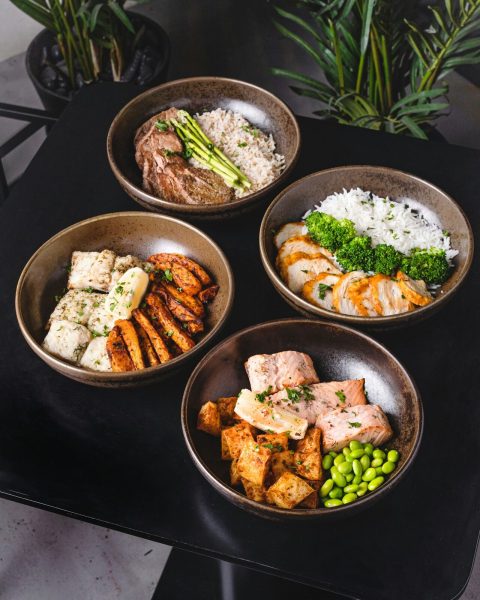
As the days grow longer and the heat of summer settles in, you might notice a strange paradox: even though the world outside is bursting with energy, your own body feels heavy, bloated, and inexplicably tired. In Traditional Chinese Medicine (TCM), this isn’t just a coincidence—it’s a direct conversation between the season and your Spleen. The Spleen is the organ system responsible for transforming food into usable energy, or Qi. But it has a natural aversion: it hates dampness. And summer, with its humidity, ice-cold drinks, and heavy BBQ foods, is the prime season for creating internal “dampness” that clogs the system. To stay light and energized, we need to pivot our diet. We aren’t starving ourselves; we are eating smarter. Let’s dive into the world of summer spleen foods that keep your digestion humming without overheating your engine.
- 1. The TCM Logic: Why Summer is Hard on Your Digestion
- 2. The Cooling Powerhouse: Job’s Tears (Yi Yi Ren)
- 3. The Green Guardian: Winter Melon (Dong Gua)
- 4. Mung Bean Soup: The Ultimate Heat-Clearer
- 5. The Gentle Hydrator: Winter Melon & Wax Gourd Tea
- 6. Understanding the "Temperature" of Your Food
- 7. Practical Meal Planning: The "Cooked Salad" & Light Stir-Fries
1. The TCM Logic: Why Summer is Hard on Your Digestion
To understand how to eat for the season, we first need to understand the “Spleen” in Chinese medicine. This isn’t just the anatomical organ you learn about in biology class; it’s a functional system involving the pancreas, the stomach, and the process of metabolism itself. The Spleen prefers a warm, dry environment to do its work. It likes routine, it likes cooked foods, and it likes a gentle temperature.
Summer brings two major challenges. The first is External Dampness: the humidity in the air. The second is Internal Dampness: caused by our lifestyle choices. When we drink iced lattes, eat raw salads for lunch, or indulge in sugary cocktails, we are essentially pouring cold water on the “digestive fire” of the Spleen. When that fire is dampened, food doesn’t transform properly. It sits there, fermenting and creating bloating, fatigue, and “brain fog.” That heavy feeling you get after a heavy summer meal? That’s dampness accumulation.
“In summer, one should keep the heart spirit calm and free from anger, so that the Qi may flow freely.” — Huangdi Neijing (The Yellow Emperor’s Classic of Internal Medicine)
The goal of eating for the Spleen in summer isn’t necessarily to eat “cooling” foods in the temperature sense (like ice cream), but rather to eat foods that have an energetically cooling nature or that drain dampness. We want to clear the heat without extinguishing the fire.
2. The Cooling Powerhouse: Job’s Tears (Yi Yi Ren)
If there is one grain you should add to your pantry this summer, it is Job’s Tears, known in Chinese as Yi Yi Ren (Coix seed). It looks like a large, round barley, and it is perhaps the king of summer spleen foods. Unlike wheat or rice, which can sometimes be heavy, Job’s Tears has a specific talent: it is sweet, bland, and cool. In TCM, “bland” flavors are the secret weapon for leaching out dampness. It acts like a gentle internal sponge, soaking up excess fluid retention.
For the Western palate, it cooks similarly to barley or brown rice, though it holds its shape a bit better. It has a lovely chew and a slightly nutty taste. You can use it in savory congee (rice porridge) or sweet dessert soups. A classic summer preparation is a simple tea: boil the seeds in water, strain, and drink the liquid. It helps reduce puffiness in the face and limbs, a common complaint when the humidity spikes.
How to prepare it: Soak the grains for at least two hours (or overnight) to soften them. Simmer them with a bit of adzuki beans (another dampness drainer) for a sweet soup, or cook them with chicken broth and ginger for a savory side dish. Avoid eating it if you are pregnant, as it has traditionally been used to induce labor, though this is a precautionary measure.
3. The Green Guardian: Winter Melon (Dong Gua)
Despite its name, Winter Melon is a summer superstar. It is a large, pale green gourd with white flesh that is incredibly hydrating. In TCM, Winter Melon is cool in nature and sweet in flavor. It targets the Spleen, Stomach, and Lung channels. Its primary job is to clear heat and resolve dampness. If you feel like you are retaining water, or if the summer heat is making you feel irritable and thirsty, Winter Melon is your go-to.
The beauty of Winter Melon is its versatility. It acts like a sponge for flavors, absorbing the spices and broths you cook it in, yet it provides a cooling balance. It is also incredibly low in calories, making it perfect for those days when your appetite is suppressed by the heat but you still need nutrients. A classic Cantonese summer soup involves simmering Winter Melon with pork ribs or dried shrimp. The melon melts into the broth, creating a sweet, savory, and deeply hydrating liquid that helps you sweat out the heat naturally.
Cooking Tip: Do not peel the skin of the Winter Melon if you are making a soup for clearing heat; the skin contains much of the medicinal properties. Scrub it well and cook it whole in the broth, then strain or remove before serving if you prefer not to eat the rind.

4. Mung Bean Soup: The Ultimate Heat-Clearer
If you walk into a traditional Chinese medicine shop during a heatwave, you will almost certainly be offered Mung Bean Soup (Lu Dou Tang). Mung beans are small, green beans that are legendary for their ability to “clear summer heat.” They are sweet and cool, and they specifically target the Heart and Stomach channels. In the old days, construction workers in the blazing sun would be given this soup to prevent heatstroke.
However, there is a catch. Mung beans can be a bit cold for the Spleen if eaten in excess or by someone with a very weak digestion (someone who is always cold and has loose stools). To counteract this, we add a few slices of ginger. This is the beauty of Chinese cooking—we balance the nature of the ingredients. The ginger warms the Spleen just enough to protect it, while the mung beans do the heavy lifting of clearing the summer heat.
- Mung Bean & Lily Bulb Soup: Add dried lily bulbs (Bai He) for extra lung and heart support.
- Mung Bean & Kelp: Add seaweed for minerals and to help with thyroid function.
- Sweetener: Always use rock sugar, which is neutral in nature and helps to moisten the lungs, unlike white sugar which creates dampness.
5. The Gentle Hydrator: Winter Melon & Wax Gourd Tea
While eating whole foods is best, sometimes you need a quick hydration fix that goes beyond water. In summer, plain water isn’t always enough because we lose electrolytes through sweat. This is where “tea” in the Chinese sense comes in—not just Camellia sinensis, but herbal decoctions. A fantastic option for summer spleen foods is a tea made from Winter Melon skin and the “pith” of watermelon.
Most people throw away the white part of the watermelon rind, but in TCM, this is called Xi Gua Pi (Watermelon Peel). It is incredibly effective at clearing summer heat and promoting urination without dehydrating you. It helps the Spleen move fluid correctly. You can boil the white rind with a few dates (Jujubes) and a tiny pinch of salt. This drink replaces lost minerals and helps settle a “hot” stomach, which might manifest as irritability or mouth sores.
6. Understanding the “Temperature” of Your Food
A common misconception in the West is that if it’s hot outside, you should eat cold food. From a TCM perspective, this is dangerous for the Spleen. The “temperature” of food refers to its energetic effect on the body, not its physical temperature on the fork. Iceberg lettuce is physically cold, but it doesn’t “cool” your internal heat the way cucumber does; it just adds volume and potential bloating.
Furthermore, eating physically cold foods (like ice cream, iced yogurt, or sashimi) requires your Spleen to work overtime to “cook” the food back up to body temperature before it can be digested. In summer, your Spleen is already sluggish from the environmental humidity. Piling on physical cold is like asking a tired chef to cook a banquet in a steam room. It leads to immediate fatigue.
The table below categorizes common summer foods by their TCM nature, helping you build balanced meals.
| Food Item | TCM Nature | Primary Action | Best For |
|---|---|---|---|
| Cucumber | Cool | Clears heat, quenches thirst | Skin irritations, thirst |
| Watermelon | Cold | Drains heat, diuretic | Heatstroke, mouth sores (eat in moderation) |
| Corn Silk | Neutral | Promotes urination, drains dampness | Urinary issues, edema |
| Lotus Root | Cool | Clears heat, stops bleeding | Anxiety, nosebleeds in heat |
| Bitter Melon | Cold | Clears intense heat | Fever, intense summer heat (avoid if weak digestion) |
| Lean Pork | Neutral | Nourishes Yin | General fatigue, dryness |
| Goji Berries | Neutral | Nourishes Liver/Kidney | Dry eyes, dizziness |
7. Practical Meal Planning: The “Cooked Salad” & Light Stir-Fries
So, what does a day of eating for the Spleen actually look like? It’s not about restriction; it’s about preparation. The raw salad, while popular in Western wellness circles, is often too harsh for a compromised Spleen. Raw vegetables are “cold” in nature and require immense digestive energy to break down. In summer, we want to help our digestion, not challenge it.
The solution is the “Cooked Salad” or Blanched Platter. Take your favorite summer vegetables—green beans, asparagus, leafy greens, zucchini—and give them a quick blanch in boiling water for 60 seconds. Then, shock them in ice water (briefly) to keep them crisp, and toss them in a dressing made of sesame oil, a splash of soy sauce, and ginger. You get the “cooling” nature of the vegetables without the raw, fibrous tax on your digestion.
For dinner, think light stir-fries. Use minimal oil and high heat. Add aromatics like garlic and scallions, which help move Qi and prevent stagnation. A great summer dinner is sautéed shrimp with snow peas and a side of millet porridge. Millet is the “King of Grains” for the Spleen; it is slightly cool and very easy to digest. It repairs the lining of the stomach and is excellent for those who feel nauseous in the heat.
“The Spleen loathes Dampness.” — Chapter 5 of the Huangdi Neijing. This is the golden rule of summer eating. If your food is damp-producing (greasy, oily, sugary, or raw), the Spleen will rebel.
Another great strategy is using sour flavors. While sweet flavors tonify the Spleen, too much sweet (sugar) creates dampness. Sour flavors, like plum vinegar, lemon juice, or hawthorn berries, have an astringent property. They help hold fluids in and prevent excessive sweating, which can deplete your Yin. A glass of sour plum drink (Suan Mei Tang) is the perfect afternoon pick-me-up—it balances electrolytes and stops the craving for sugary sodas.
Common Questions
Can I drink iced coffee or iced tea in summer?
While it feels amazing in the moment, iced beverages are one of the biggest drains on your Spleen Qi. The caffeine acts as a stimulant, forcing your body to burn energy reserves, while the ice shocks the digestive tract, slowing down motility and creating internal dampness. If you love coffee, try to drink it at room temperature or warm, and pair it with a meal (like oatmeal or eggs) to buffer the acidity. Alternatively, switch to roasted barley tea or chrysanthemum tea, which are naturally cooling but served warm or at room temperature.
I love fruit. Is there such a thing as too much fruit in summer?
Absolutely. In TCM, fruit is nature’s candy. While it contains vitamins and “cooling” properties (like watermelon), the high sugar content can generate “dampness” and “phlegm” if you overdo it. If you find yourself feeling sluggish, bloated, or noticing a thick coating on your tongue after eating a lot of fruit, you’ve likely hit your limit. Try to eat fruit on an empty stomach (not after a heavy meal) and focus on lower-sugar fruits like berries, pears, and apples. Avoid tropical fruits like mango if you are already feeling very damp and heavy.
What is the best breakfast for a hot, humid day?
Forget the cold smoothie bowl. The best summer breakfast is a light congee (Zhou). It sounds counterintuitive to eat a warm porridge in summer, but congee is incredibly hydrating and easy for the Spleen to process. Try a Job’s Tears and Red Bean congee. It takes 30 minutes to simmer. The fluid helps you rehydrate after sleeping, and the grains provide sustained energy without the sugar crash of a pastry. If you can’t do porridge, a simple poached egg on sourdough toast with a side of cucumber is a great alternative.
The bottom line: Taking care of your Spleen in summer is about making small, conscious choices that respect your body’s internal environment. By swapping raw salads for blanched greens, trading iced drinks for room-temperature herbal teas, and incorporating dampness-draining foods like Job’s Tears and Winter Melon, you can navigate the heat with energy and clarity. It’s not about deprivation; it’s about eating in a way that supports your body’s natural desire to stay light, cool, and balanced.
This article is for educational purposes and reflects traditional wellness perspectives. It is not a substitute for professional medical advice, diagnosis, or treatment.