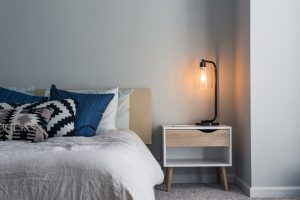
Summer is a season of vibrant energy, long sunny days, and outdoor adventures. But when the sun sets and you finally crawl into bed, that same warmth can become your worst enemy. Tossing and turning on sweaty sheets, kicking off the covers, and staring at the ceiling while the fan whirs uselessly—we’ve all been there. In Traditional Chinese Medicine (TCM), this struggle is understood as an imbalance of Heat and Qi. The good news? Ancient Chinese wellness offers a toolkit of practical, gentle strategies to help you cool down, calm your mind, and reclaim your rest. Let’s explore five time-tested TCM tips for better summer sleep hygiene.
- 1. Eat Cooling, Hydrating Foods (And Skip the Spicy BBQ)
- 2. Brew a Bedtime Yin-Nourishing Tea
- 3. Cool Your "Heat Gates": Acupressure Points for Summer Sleep
- 4. Adjust Your Evening Routine with TCM's 24-Hour Body Clock
- 5. Use Aromatherapy & Herbal Pillow Traditions
- 6. Create a "Cool Qi" Sleep Environment
- 7. Manage Summer Emotions: The Heart-Mind Connection
1. Eat Cooling, Hydrating Foods (And Skip the Spicy BBQ)
In TCM, food is medicine—and what you eat directly affects your internal temperature. Summer is considered a time of “external Heat” that can easily invade the body, disrupting the balance of Yin (cooling, calming energy) and Yang (warming, active energy). When your internal Heat builds up, it “steams” upward, often manifesting as restless sleep, night sweats, irritability, and vivid dreams.
The solution? Shift your diet toward foods with a “cooling” or “neutral” thermal nature. This doesn’t mean everything needs to be cold from the fridge—it means the inherent energy of the food helps clear excess Heat and nourish Yin fluids.
Cooling foods to lean into:
- Melon family: Watermelon, cucumber, bitter melon, and winter melon are legendary in Chinese summer cuisine for good reason. They’re hydrating, mildly diuretic, and excellent at clearing Heat.
- Green mung beans (绿豆): Mung bean soup is a classic summer drink in China. It cools the blood, detoxifies, and replenishes fluids. Simply simmer a cup of mung beans in water until soft, add a touch of rock sugar, and enjoy it warm or chilled.
- Lotus root and lotus seed: These are mildly cooling and help calm the spirit (Shen), which is crucial for sleep. Lotus seed soup with lily bulb (百合) is a beloved TCM sleep remedy.
- Leafy greens: Bok choy, spinach, celery, and lettuce all have cooling properties.
- Pears and chrysanthemum tea: Both nourish Yin fluids and soothe dryness caused by Heat.
Foods to minimize in the evening:
- Hot peppers, Sichuan peppercorns, and heavily spiced dishes (these generate internal Heat)
- Excessive red meat and lamb (considered warming in TCM)
- Alcohol, especially red wine and spirits (they create “Damp-Heat” in the body)
- Greasy, fried foods (they burden the Spleen and create Dampness)
- Too much coffee after noon (it scatters Qi and disturbs the Shen)
A simple rule of thumb from Chinese grandmothers: eat lighter in the evening, favor steaming or raw preparations over deep-frying, and drink room-temperature or slightly cool water throughout the day—not ice-cold, which can shock the digestive system and paradoxically trap Heat inside.
2. Brew a Bedtime Yin-Nourishing Tea
If there’s one habit that ties all of Chinese evening wellness together, it’s the ritual of a warm (not hot) herbal tea before bed. This isn’t just about hydration—it’s about signaling to your body and mind that the day’s Yang activity is winding down and it’s time to embrace Yin restfulness.
Here are three simple TCM-inspired tea recipes you can make at home:
Chrysanthemum & Goji Berry Tea (菊花枸杞茶)
This is perhaps the most famous Chinese wellness tea. Chrysanthemum (菊花) clears Heat from the head and eyes—perfect if your mind races at night or your eyes feel tired and dry from screens. Goji berries (枸杞) nourish Liver Yin and blood. Together, they’re a cooling, calming combination.
How to make it: Steep 6-8 dried chrysanthemum flowers and a small pinch of goji berries (about 10-15) in hot water for 5 minutes. Add a tiny piece of rock sugar if desired.
Lily Bulb & Jujube Tea (百合红枣茶)
Lily bulb (百合) is one of the most respected Shen-calming herbs in TCM. It moistens the Lungs, clears Heart Heat, and is specifically indicated for insomnia with irritability and palpitations. Red jujube dates (红枣) nourish Blood and Qi, adding a gentle sweetness.
How to make it: Simmer 10g dried lily bulb slices and 3-4 pitted jujube dates in 2 cups of water for 15-20 minutes. Strain and sip an hour before bed.
Sour Jujube Seed Tea (酸枣仁茶)
Sour jujube seeds (酸枣仁) are perhaps the single most important herb in the TCM pharmacopeia for insomnia. They nourish Heart Blood, calm the Shen, and are especially helpful for people who can’t fall asleep because their mind won’t stop, or who wake frequently during the night. You can find pre-roasted sour jujube seed powder at Chinese herbal shops or online.
How to make it: Stir 5-10g of roasted sour jujube seed powder into warm water. Drink 30-60 minutes before bedtime.
“In TCM, we say the Heart houses the Shen—your spirit or consciousness. When the Heart is calm and nourished, the Shen rests peacefully and sleep comes naturally. When the Heart is agitated by Heat or Blood deficiency, the Shen wanders and sleep escapes you.”
3. Cool Your “Heat Gates”: Acupressure Points for Summer Sleep
Your body has natural exit points for excess Heat, and TCM practitioners have known about them for millennia. Stimulating specific acupressure points before bed can help release trapped Heat, settle your nervous system, and ease you into deeper sleep. Think of these points as little valves you can open to let the steam out.
Here are four key points to press or massage gently for 1-2 minutes each before bed:
Kidney 1 (Yongquan, 涌泉) — “Gushing Spring”
Location: The center of the sole of your foot, in the depression formed when you curl your toes.
Why it works: This is the lowest point on the body and the starting point of the Kidney channel. In TCM theory, summer Heat can rise upward and get stuck in the head, causing insomnia, headaches, and irritability. Pressing Kidney 1 acts like an anchor, drawing that excess Heat downward and grounding your energy. It’s incredibly effective for racing thoughts and a “hot head” at bedtime.
Heart 7 (Shenmen, 神门) — “Spirit Gate”
Location: On the inner wrist crease, on the pinky side, in the small depression just inside the tendon.
Why it works: As the name suggests, this is the gate through which the Shen (spirit) passes. It calms the Heart, quiets the mind, and is indicated for anxiety, insomnia, and palpitations. It’s one of the most commonly used points by acupuncturists for sleep disorders.
Pericardium 6 (Neiguan, 内关) — “Inner Gate”
Location: Three finger-widths above the inner wrist crease, between the two tendons.
Why it works: This point regulates the Heart and calms the mind. It’s famous for nausea, but it’s equally powerful for anxiety-driven insomnia. If you feel tightness in your chest or emotional agitation at night, this point helps open and relax.
Yintang (印堂) — “Hall of Impression”
Location: The midpoint between your eyebrows, right where a “third eye” would be.
Why it works: This isn’t technically on a major meridian, but it’s one of the most calming points on the body. Gently pressing or circularly massaging Yintang with your middle finger helps settle the mind, relieve frontal headaches, and transition your brain from “doing” mode to “resting” mode. Many Chinese parents instinctively stroke this area on their children to help them fall asleep—it works on adults too.
4. Adjust Your Evening Routine with TCM’s 24-Hour Body Clock
TCM has a fascinating concept: the body’s Qi circulates through twelve major organ systems in a predictable 24-hour cycle, spending two hours at peak activity in each organ. Understanding this clock can help you time your evening activities for maximum sleep benefit.
The organs most relevant to summer sleep hygiene are:
| Time Window | Organ at Peak | What’s Happening | Practical Tip |
|---|---|---|---|
| 7:00 – 9:00 PM | Pericardium (心包) | The Pericardium protects the Heart and governs blood circulation. This is the window for emotional unwinding. | Take a gentle walk, do light stretching, or connect with a loved one. Avoid heated arguments or intense news. |
| 9:00 – 11:00 PM | Triple Burner (三焦) | The Triple Burner regulates the body’s waterways and overall Qi flow. This is when the body should begin its transition to rest. | Dim lights, put away screens, and begin your wind-down ritual (tea, acupressure, reading). |
| 11:00 PM – 1:00 AM | Gallbladder (胆) | The Gallbladder governs decision-making and the sinews. This is when deep Yin begins and the body should be fully asleep. | Ideally, you’re already asleep by 11 PM. If you’re still awake, press Kidney 1 and Heart 7. |
| 1:00 AM – 3:00 AM | Liver (肝) | The Liver stores blood and plans. Waking during this window often signals Liver Heat or emotional stagnation. | If you consistently wake between 1-3 AM, avoid alcohol and late-night eating; consider chrysanthemum tea. |
The most important takeaway here is the 9:00 – 11:00 PM Triple Burner window. In Chinese culture, this is traditionally when families wind down together—no heavy activity, no heavy food. The Triple Burner needs a calm environment to redistribute Qi and fluids properly overnight. If you’re scrolling social media or watching an intense thriller at 10:30 PM, you’re fighting against your body’s natural rhythm.
A practical summer evening schedule might look like this:
- 7:00 PM: Light dinner with cooling foods. A short, gentle walk afterward.
- 8:30 PM: Brew your herbal tea. Begin reducing screen brightness.
- 9:00 PM: Screens off. Dim the lights. Take a lukewarm (not cold) shower or foot soak.
- 9:30 PM: Acupressure self-massage (5-10 minutes). Journal or light reading.
- 10:00 – 10:30 PM: Lights out.
Of course, modern life doesn’t always allow for this ideal schedule. But even adopting two or three of these shifts can make a noticeable difference in how quickly you fall asleep and how refreshed you feel in the morning.
5. Use Aromatherapy & Herbal Pillow Traditions
Long before essential oil diffusers became trendy, Chinese households used fragrant herbs to promote sleep. The tradition of the herbal sleep pillow (药枕) dates back over a thousand years. The idea is simple: place calming, cooling herbs near your head so you inhale their gentle aromatics throughout the night, soothing the Shen and clearing Heat.
Here are some traditional and modern applications:
Dried Chrysanthemum Pillow Sachet
Fill a small muslin or cotton pouch with dried chrysanthemum flowers. Place it inside your pillowcase or on your nightstand. Chrysanthemum’s light, floral scent clears Liver Heat and calms the eyes and mind. Refresh the sachet every 2-3 weeks.
Lavender & Mugwort Blend
While lavender is more associated with Western herbalism, it aligns beautifully with TCM principles—it’s cooling, calming, and moves Qi. Mugwort (艾叶, ai ye) is a classic Chinese herb used in moxibustion and herbal baths. A small amount of dried mugwort combined with lavender buds makes a potent sleep sachet. (Note: mugwort has a strong scent—use sparingly and test for sensitivity.)
Peppermint or Eucalyptus on a Cool Cloth
On especially hot nights, dampen a washcloth with cool water, add 1-2 drops of peppermint or eucalyptus essential oil, and drape it over your forehead or the back of your neck as you lie down. The cooling sensation combined with the clearing aroma can help break the cycle of heat-induced restlessness. Remove it once you start to feel drowsy.
A Foot Soak Before Bed
This might sound counterintuitive for hot summer nights, but a warm foot soak (not hot—around 38-40°C / 100-104°F) actually helps cool the body. Here’s the TCM logic: warm water dilates the blood vessels in your feet, drawing excess Heat downward from your head and torso. Add a handful of mugwort leaves or a few drops of lavender oil to the water for extra benefit. Soak for 15-20 minutes, then pat dry and head to bed.
This simple practice is one of the most beloved evening rituals in Chinese households. My own grandmother would say, “If your feet are warm, your head will be cool.” It sounds paradoxical, but it works—and modern research on thermoregulation supports the idea that warming the extremities before sleep can lower core body temperature and improve sleep onset.
6. Create a “Cool Qi” Sleep Environment
Your bedroom environment is an extension of your body’s energetic landscape. In summer, the goal is to create a space that supports Yin—cool, dark, quiet, and still. Here are some TCM-informed adjustments:
- Cross-ventilation: If possible, open windows on opposite sides of your bedroom in the evening to create airflow. In TCM, stagnant air equals stagnant Qi. A gentle breeze through the room refreshes the space’s energy.
- Natural fabrics: Switch to cotton, linen, or bamboo sheets. These breathe better than synthetics and won’t trap Heat against your skin. In China, traditional summer bedding often uses bamboo mats (竹席) or rush grass mats, which stay naturally cool.
- Declutter the bedroom: TCM emphasizes that clutter creates Qi stagnation, which can manifest as mental restlessness. Keep your sleep space minimal and clean. A tidy room supports a tidy mind.
- Reduce electronic “Heat”: Electronics generate both literal heat and what TCM practitioners might call “Yang disturbance.” Charge your phone in another room, or at minimum, place it face-down and on silent across the room.
- Cooling colors: If you’re redecorating, consider blues, greens, and soft whites for your bedroom. In Five Element theory, blue and green correspond to the Wood and Water elements, which are cooling and calming. Avoid heavy reds and oranges in the sleep space during summer.
7. Manage Summer Emotions: The Heart-Mind Connection
Here’s something many Western wellness guides overlook: in TCM, summer is the season of the Heart, and the Heart’s emotion is Joy (喜). Now, joy sounds wonderful—but too much excitement, stimulation, or emotional intensity (even positive intensity) can scatter the Heart Qi and disturb the Shen, making it hard to wind down at night.
Think about it: summer is packed with social events, vacations, late-night gatherings, and FOMO-driven activity. It’s the season of “more”—more fun, more stimulation, more decisions. All of this keeps the Heart in a state of overstimulation.
TCM teaches that balance is the key to health. To protect your sleep during summer:
- Set boundaries on social activity. It’s okay to say no to the third barbecue of the week. Protect your evening wind-down time as fiercely as you’d protect a work meeting.
- Practice “Heart quieting.” Before bed, spend 5 minutes sitting quietly with your hand over your Heart center (mid-sternum). Breathe slowly and deeply. This simple gesture tells the Shen, “You are safe. You can rest now.”
- Write it down. If your mind races with plans, worries, or excitement, keep a notebook by your bed. Spend 3-5 minutes writing a “brain dump” before sleep. This externalizes the mental chatter and gives your Heart Qi permission to settle.
- Limit emotionally charged media after 8 PM. Thrillers, heated political debates, and dramatic social media threads all agitate the Heart. Choose calming content in the evening—or better yet, no content at all.
Common Questions
Can I use these TCM tips alongside melatonin or other sleep supplements?
Generally, yes—most of these tips (dietary adjustments, acupressure, herbal teas, environment changes) are complementary practices that don’t conflict with supplements like melatonin. However, if you’re taking any herbal formulas, prescription medications, or have a chronic health condition, it’s always wise to consult with a qualified healthcare provider or a licensed TCM practitioner before combining approaches. Herbs like sour jujube seed, for example, can have mild sedative effects, so combining them with sleep medications should be discussed with a professional.
I’m not Chinese—will these practices still work for me?
Absolutely. TCM principles are based on universal observations about the human body and its relationship with the natural environment. You don’t need to be Chinese to benefit from cooling foods, acupressure, herbal teas, or mindful evening routines. These are physiological and energetic strategies that work on the same human biology regardless of your cultural background. Start with one or two tips that resonate with you and build from there. Your body will respond to the intention and care you bring to your sleep.
What if I wake up between 1-3 AM every night? Is that a TCM issue?
In TCM, consistently waking between 1-3 AM (the Liver time on the organ clock) can suggest Liver Qi stagnation or Liver Heat. This is often associated with unprocessed stress, frustration, suppressed anger, or excessive alcohol consumption. Practical steps include reducing alcohol, managing stress through journaling or gentle exercise (like tai chi or yoga), drinking chrysanthemum tea in the evening, and pressing Liver 3 (太冲, Tai Chong)—a point on the top of the foot between the big toe and second toe. If the pattern persists for more than a few weeks, consider consulting a TCM practitioner for a personalized assessment. Chronic sleep disruption should also be discussed with your primary healthcare provider to rule out other causes.
The bottom line: Summer sleep doesn’t have to be a sweaty battle. Traditional Chinese Medicine offers a beautifully logical framework: cool your body with the right foods and teas, release excess Heat through acupressure and aromatherapy, align your evening routine with your body’s natural clock, create a restful environment, and protect your Heart-mind from overstimulation. You don’t need to adopt all five tips at once—start with the one that feels most doable tonight, and let the rest unfold naturally. Good sleep is not a luxury; it’s the foundation of your health, your mood, and your vitality all season long.
This article is for educational purposes and reflects traditional wellness perspectives. It is not a substitute for professional medical advice, diagnosis, or treatment.